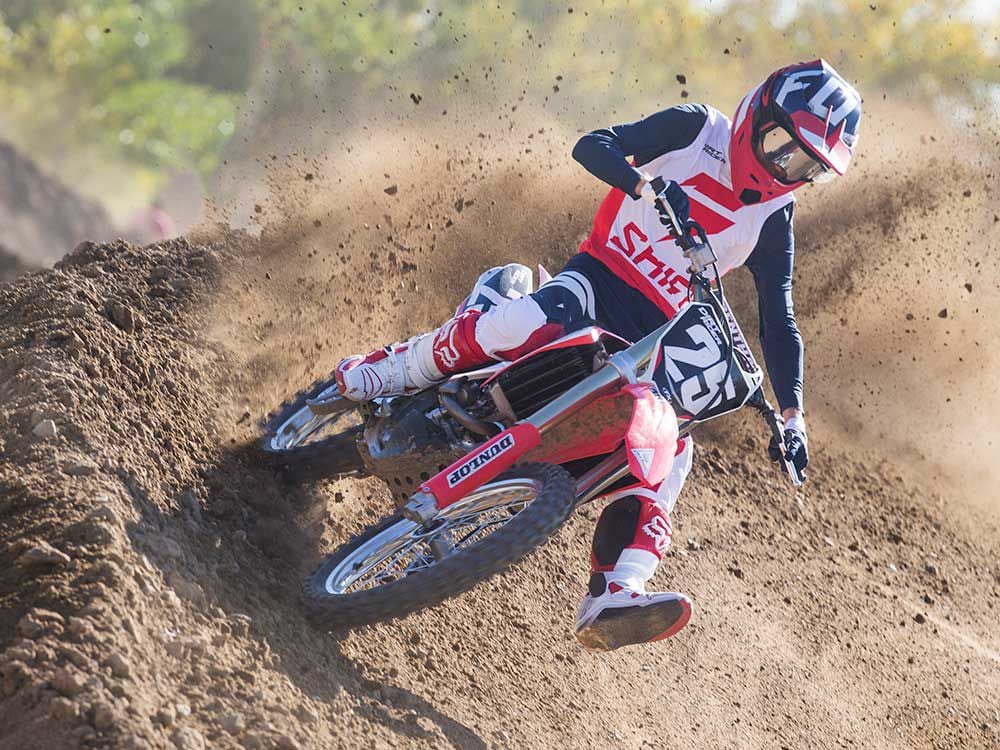
The 2008 lineup of Honda’s CRF series—specifically the CRF150R, CRF250R, and CRF450R—presents a fascinating trio of dirt bikes that cater to varying levels of riders, terrains, and performance expectations. Each model is meticulously engineered, boasting distinct specifications and capabilities that make them formidable contenders within their respective categories. When faced with the question of which dirt bike emerges victorious, it demands an in-depth exploration of engine dynamics, chassis construction, handling finesse, and intended use. This comparative analysis aims to provide clarity on the subtle nuances and outright advantages harbored by these three iconic machines.
Engine and Performance Characteristics
The heart of every dirt bike is its engine, and in Honda’s 2008 CRF lineup, the differences are immediately palpable. The CRF150R sports a nimble 144cc liquid-cooled four-stroke single-cylinder engine. This compact powerhouse is designed primarily for younger riders or those new to motocross, offering a blend of manageable power delivery and smooth throttle response. While it doesn’t possess the outright horsepower of its bigger siblings, its lightweight engine design fosters quick acceleration and agility on tight, technical tracks.
Moving up the scale, the CRF250R steps into the mid-range territory with a 249cc single-cylinder engine optimized for balance and versatility. This model delivers a more aggressive power curve, juxtaposing torquey low-end performance with a rev-happy attitude toward the high RPM zone. The 250R’s power output makes it highly adaptable, from intermediate riders advancing their skills to seasoned racers requiring a bike that can handle both sprints and extended sessions without compromising durability.
The 2008 CRF450R, Honda’s flagship in this lineup, commands attention with its 449cc engine that epitomizes raw power and responsiveness. Its sophisticated DOHC design ensures maximal airflow and efficient combustion, resulting in blistering acceleration and top-end speed that outclass most competitors in the premier class. The 450R’s torque-rich engine is especially suited to riders seeking maximum performance on demanding, rugged terrain or in competitive motocross scenarios where every millisecond counts.
Chassis and Suspension Dynamics
Engine prowess alone does not dictate dominance on the dirt; chassis design and suspension components play an equally pivotal role. The CRF150R embodies a more diminutive frame geometry, optimized for agility and rider maneuverability. Its suspension travel is calibrated to absorb the shocks and bumps typical for younger or less experienced riders — fostering confidence on beginner to intermediate tracks. This bike’s lightweight frame and narrow profile lend themselves to quick direction changes and nimble cornering.
The CRF250R’s chassis offers a more aggressive stance, employing a twin-spar frame built for rigidity and enhanced feedback. Suspension components, including Showa’s fully adjustable forks and link-type rear shock, provide a balanced ride that caters to an evolving rider skillset. This bike delivers a tack-sharp feel on jumps and landings, empowering riders to approach obstacles with confidence and precision. It excels on technical trails and moderately challenging racing circuits where adaptability is essential.
At the zenith, the CRF450R boasts a race-tuned frame forged from lightweight aluminum alloy, primed for maximum stiffness without excess mass. Coupled with premium Showa suspension, it absorbs punishing impacts while maintaining impeccable composure at high speeds. Notably, the 450R’s suspension setup allows for fine-tuning that caters to professional-level riders who demand top-tier performance in both rhythm sections and rough, rutted terrains. This level of engineering translates to a bike that feels planted, linear, and confident under demanding conditions.
Handling and Ergonomics
Handling characteristics vary considerably across the trio, reflective of their target demographics and intended riding styles. The CRF150R’s diminutive size not only complements younger riders but also ensures an approachable riding posture. The seating position and handlebar height facilitate control and reduce rider fatigue during practice sessions or casual trail rides. Its curb weight is minimal, enhancing ease of maneuverability and allowing for quick responsiveness in tight spaces.
The CRF250R presents a more neutral ergonomics package, striking a fine balance between control and comfort. Its seat height rises to accommodate taller riders, while the ergonomically sculpted seat promotes an active riding stance crucial for technical riding. The bike’s weight is contained prudently, striking a harmonious middle ground—light enough for agility but sturdy enough to provide planted stability at speed.
The CRF450R, tailored for seasoned riders, features a higher seat position and a slightly more aggressive cockpit setup. The wider handlebar and extended footpeg positioning encourage an engaged and powerful stance, essential when tackling steeper jumps and aggressive cornering. The bike’s weight, while higher than the smaller models, is offset by its excellent balance and mass centralization, which collectively enhance overall control dynamics.
Suitability and Rider Experience
Understanding the target user for each bike is critical to identifying the rightful winner in various contexts. The CRF150R is ideally suited for younger riders transitioning from beginner to intermediate skill levels. It offers an accessible entry point into motocross with its forgiving powerband and manageable regimen. This model fosters rider development with a focus on learning foundational techniques without overwhelming the user.
The CRF250R functions as the quintessential all-rounder. It bridges the gap between beginner and expert, empowering ambitious amateurs and semi-professionals alike. Whether used for weekend trail riding, competitive racing, or practice sessions, the 250R’s adaptability ensures it meets a wide spectrum of rider demands while providing a platform for improvement and confidence building.
Finally, the CRF450R is indisputably targeted toward the advanced or professional motocross community. Its explosive performance, coupled with race-ready geometry, makes it an ideal candidate for competitive racing circuits and physically demanding trail rides. The 450R challenges the rider to harness its full potential through skill and experience, rewarding those who possess the capacity to exploit its superior attributes.
Conclusion
Determining the victor in a showdown between the 2008 Honda CRF150R, CRF250R, and CRF450R hinges on context, rider proficiency, and intended application. The CRF150R champions accessibility and agility for emerging riders, providing a safe yet thrilling introduction to dirt biking. The CRF250R balances power and versatility—a bike that grows alongside its rider, capable of adapting to multiple terrains and styles. The CRF450R stands supreme in sheer performance and technical capability, a machine tailored for those who seek to push boundaries and master the art of motocross.
Ultimately, each CRF model wins within its own realm, embodying Honda’s commitment to quality engineering, innovation, and rider-focused design. The best choice boils down to individual objectives, comfort levels, and ambitions—offering a spectrum of experiences under the iconic CRF banner that few other manufacturers can claim.