Have you ever wondered what kind of mechanical marvels the 1970s brought to life on two wheels? The decade, known for its bold experimentation and cultural upheaval, didn’t just revolutionize music and fashion—it uprooted motorcycle design as well. But what exactly qualifies as “crazy” in the realm of 70s motorcycles? Is it the radical aesthetics, over-the-top engineering, or sheer audacity to defy conventional norms? Perhaps the real challenge lies in deciding which of these wild steel beasts truly deserves the crown for the most eccentric and unforgettable motorcycle ever built. Prepare to embark on a journey through a kaleidoscope of chrome, fiberglass, and wild innovation.
The ’70s were undeniably a playground for motorcycle manufacturers and independent innovators alike. Traditional practices were tossed aside, replaced by visions that veered from the aggressively practical to the outrageously avant-garde. The decade was marked by the rise of muscle bikes, radical fairings, and experimental frames that knocked down comfort and functionality in favor of style and spectacle. And at the heart of this was the desire to stand apart—both visually and mechanically—from the conventional motorcycles that had dominated roads in earlier decades.
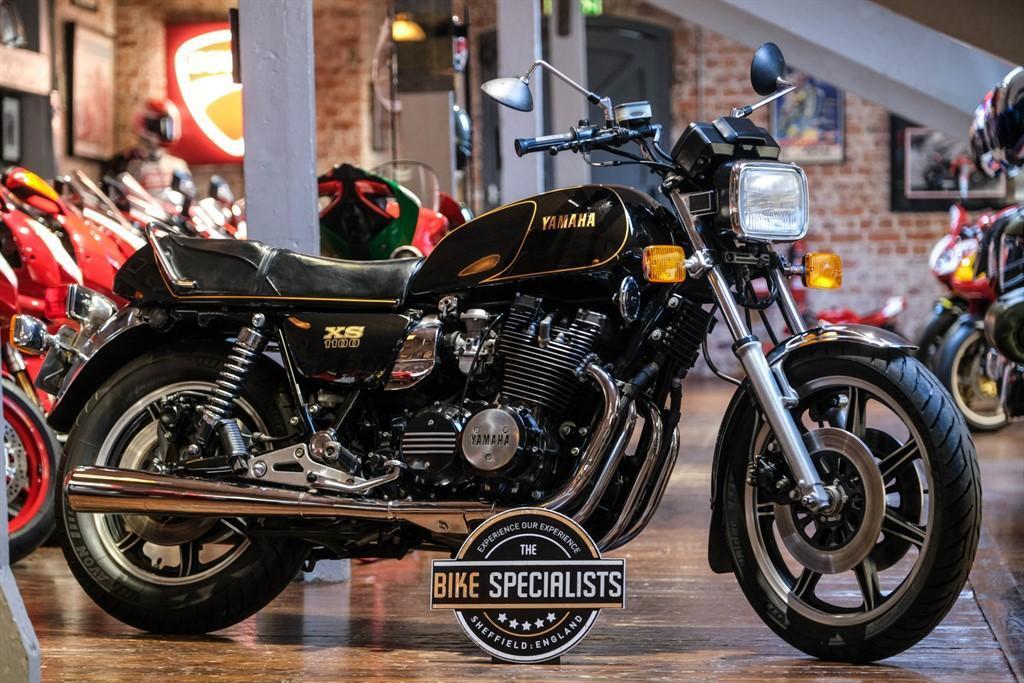
One cannot talk about the craziest motorcycles of this era without mentioning the sheer audacity of Japanese manufacturers—companies like Honda, Kawasaki, and Suzuki. They flooded the market with machines that were both powerful and, at times, bizarrely futuristic. The Kawasaki Z1, for instance, unleashed 900cc of fury and became an instant icon. But even more intriguing were the experimental offshoots and custom builds inspired by these industry titans, pushing the limits of engineering and imagination.
Take the Honda CB750, widely regarded as a game-changer with its inline-four engine and disc brakes. Yet, beyond the staid production model, custom builders started tweaking and transforming these beasts into something surreal: angular fairings that looked like spacecraft hulls, exaggerated exhaust systems that sounded like tribal drums, and color schemes that dared the eye to look away. This wasn’t just transportation—it was a roaring statement of individuality.
In parallel, European firms took a divergent approach, focusing on the blend of performance and radical aesthetics often inspired by the burgeoning café racer and streetfighter cultures. British brands like Triumph and Norton offered machines that were ripe for modification, resulting in creations that looked like they belonged more in a science fiction film than on a metropolitan avenue. Imagine elongated fuel tanks sculpted for aerodynamic elegance, paired with stripped-down chassis that radiated the raw menace of speed and rebellion.
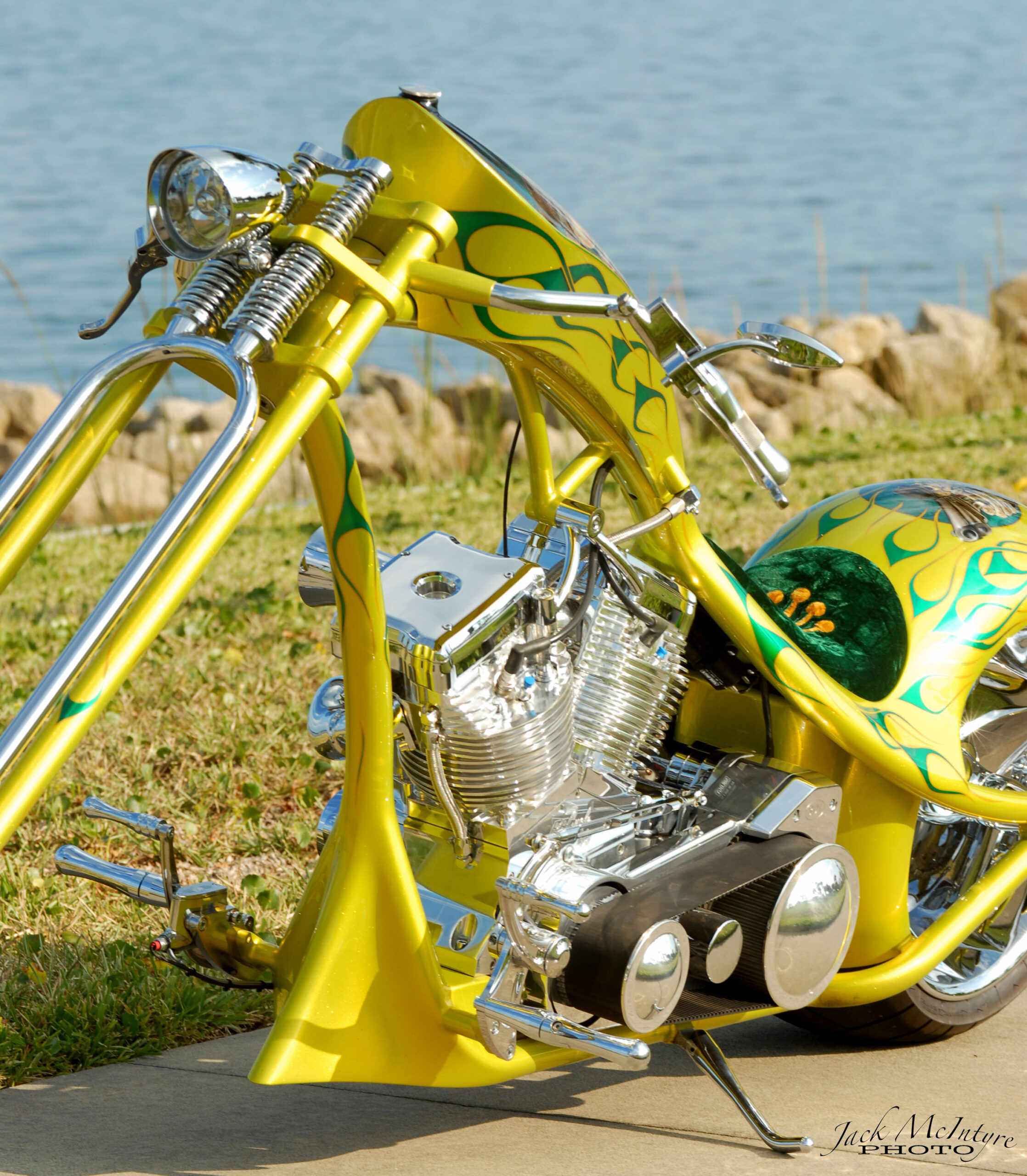
Across the pond, American innovators had their own take with choppers and custom cruisers that eschewed the norm. The 70s chopper renaissance introduced motorcycles with extended forks, swooping lines, and impossibly high handlebars. These creations seemed to challenge the laws of physics—and sometimes, comfort. But their sheer flamboyance and personality made a visceral impact, with riders daring each other to tame these wild machines that seemed half statue, half vehicle. Was it engineering or audacity that powered these creations? Perhaps a fusion of both, fueled by a counterculture that rejected conformity in every spark and gear.
Yet, the outrageousness of 70s motorcycles did not stop with aesthetics alone. Technological advancements introduced features that were either ahead of their time or charmingly impractical. From early iterations of electronic ignition systems to experimental aerodynamic fairings, the push to innovate occasionally resulted in machines that bewildered riders and mechanics alike. Some designs sought to incorporate futuristic dashboards filled with gauges and dials, resembling cockpit controls rather than motorcycle consoles. While some were failures, others became legends, inspiring design philosophies that echo in modern motorcycles.
What about the motorcycles that blurred the line between art and machine? Sculptural in form and unapologetically daring in function, these motorcycles challenged preconceived notions of balance, weight distribution, and aesthetic coherence. Some builders went as far as creating bikes that looked like they belonged to a dystopian future or a psychedelic dream, with swirling patterns, bold paint jobs, and asymmetrical designs that held nothing back. These motorcycles turned heads not just on the street but in galleries and exhibitions, proving that the 70s were as much about creative expression as they were about speed.
The decade’s fascination with customization gave rise to some of the rarest and most obscure motorcycles ever built. Many were one-off masterpieces that combined racing technology, experimental materials, and artistic vision. For instance, the amalgamation of lightweight alloy frames with massive engines resulted in bikes that looked deceptively small yet packed a monstrous punch. These rare specimens defied categorization, forcing enthusiasts and historians to invent new terms to describe their genre-defying brilliance. Are these motorcycles merely machines, or are they sculpture on wheels daring the rider to pilot a moving enigma?
Still, amidst all the innovation and eccentricity, not every radical idea was embraced universally. Some designs suffered from impracticality or unreliability, becoming fascinating footnotes rather than mainstream marvels. The challenge for manufacturers was clear: How far could radical design push the boundaries before it tipped into mere gimmickry? The 1970s motorcycle scene was a testament to the delicate balance between visionary brilliance and the pragmatic necessities of rider safety and comfort.
Today, those wildly imaginative machines from the 70s invite us to reconsider the very essence of what a motorcycle can be. The era’s influence persists, casting a long shadow over contemporary design and customization cultures. So, the next time you see a gleaming vintage bike or a modern custom with retro-flair, ask yourself: What would it take to build a motorcycle that could compete with the sheer eccentricity and boldness of the craziest 70s builds? Are we ready to revive the spirit of mechanical audacity that dared to reshape the roads and challenge the very notion of two-wheeled travel?
In retrospect, the craziest motorcycles of the 1970s were more than machines; they were manifestations of a restless era’s wild imagination. They dared to be different, to shock, and to inspire, leaving behind a legacy of innovation and artistry that continues to captivate enthusiasts worldwide. Embracing both the triumphs and misfires of that remarkable decade, we are reminded that sometimes, the path to greatness is paved with a healthy dose of madness—and a throttle wide open.