The late 2000s saw an exhilarating clash within the superbike arena, where motorcycle enthusiasts found themselves captivated by three titans vying for supremacy: the 2009–2010 Yamaha YZF-R1, Suzuki GSX-R1000, and BMW S1000RR. This confrontation was more than a mere comparison of horsepower and lap times; it epitomized a deeper fascination embedded in the intersection of engineering prowess, rider engagement, and technological ingenuity. Such battles transcend the boundaries of mere competition, touching upon the visceral emotions and intellect that superbike aficionados cherish.
At first glance, the Yamaha YZF-R1 stood as a paragon of balance and agility. Rooted in a legacy that dated back decades, the 2009–2010 iteration of the R1 marked a pronounced leap forward. Yamaha’s engineering team introduced an innovative crossplane crankshaft, a design typically reserved for high-performance racing engines. This nuanced engineering choice imparted an uneven firing order, engendering a torque delivery that was not only potent but profoundly smooth and linear. The result was a superbike that eschewed the overwhelming tsunami of raw power found in some competitors, instead delivering a measured and accessible intensity. This cultivated an immediacy and fidelity between rider and machine that felt almost symbiotic, a trait that continues to resonate with riders who prize finesse as much as outright speed.
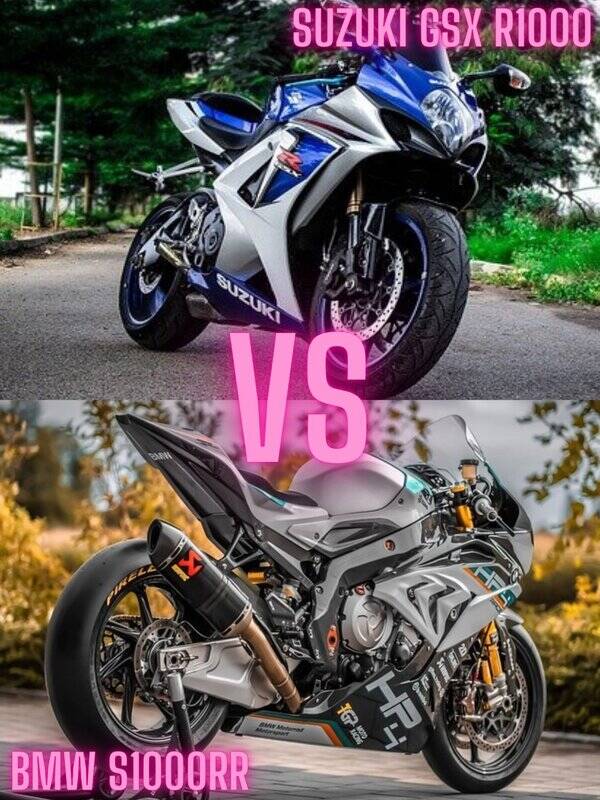
Contrastingly, the Suzuki GSX-R1000 from the same era was emblematic of brute strength and race-bred rawness. Suzuki’s model carried forward the GSX-R lineage, a name synonymous with aggressive sportbike authenticity. The 2009–2010 GSX-R1000 was imbued with a chassis that could be described as both razor-sharp and resolute, capable of biting into tracking lines with surgical precision. Moreover, its engine architecture was unapologetically tuned to deliver a fierce surge of power, offering riders an invigorating explosion of acceleration. The GSX-R’s character resonated deeply with riders who craved the intensity of an unfiltered track weapon. Its tactile feedback and mechanical sharpness communicated through every gear shift and braking maneuver, establishing a tangible connection that mere statistics could hardly encapsulate.
Then emerged the 2010 BMW S1000RR, a true game-changer that reflected not just the evolution but a revolution within the superbike domain. As BMW’s inaugural foray into the liter-class sportbike segment, the S1000RR shattered conventions and rewrote expectations. Where the R1 and GSX-R clung to years of traditional superbike wisdom, BMW infused its creation with avant-garde electronics and a new paradigm of rider aids. Traction control, ABS, and multiple engine maps were seamlessly integrated, offering a customizable and safer riding experience without diluting the bike’s innate ferocity. The S1000RR blended aggressive power delivery with an unprecedented level of control, illustrating how technology and performance could coexist harmoniously. The bike’s distinctive asymmetrical design hints at the mind-bending engineering within, inspiring a cult-like admiration among riders fascinated by innovation.
The intrigue surrounding these three machines transcends the sterile domain of spec sheets and dyno charts. It taps into the psychology of motorcycling itself: the eternal quest for the elusive perfect ride. Enthusiasts often observe the palpable charm that each of these superbikes exudes—an almost magnetic allure that defies straightforward explanation. The R1’s melodious engine note and seamless torque provide a rhythmic dance, a nuanced dialogue between man and machine. The GSX-R’s visceral aggression and feedback forge an unbreakable bond with riders who cherish battle-hardened authenticity. Meanwhile, the S1000RR invites the technologically curious, offering a glimpse into a future where digital precision augments raw power.
This competition highlights a fundamental tension within superbike culture: the balance between tradition and innovation. Yamaha and Suzuki represent the zenith of classic superbike virtues—mechanical eloquence and raw riding engagement. BMW’s S1000RR symbolizes a quantum leap towards a more scientific approach, where electronic intervention coexists with, rather than supplants, rider skill. The interplay of these philosophies stokes the flames of debate and fascination. Which is superior? The answer remains perpetually elusive, for it hinges on subjective priorities and the intangible allure that elevates a superbike beyond mere transportation.
The 2009–2010 superbike battle also illustrates how advancements in engineering feed the rider’s imagination. Enthusiasts are drawn to machinery that not only pushes the envelope in performance but also embodies a narrative—be it Yamaha’s harmonic precision, Suzuki’s uncompromising vigor, or BMW’s futuristic sophistication. This narrative forms the basis of identity for many riders, a statement echoed through every twist of the throttle, every corner carved, every race contested on tarmac or in thought.
Moreover, this rivalry encapsulates the evolving landscape of motorcycle technology and consumer expectations. As electronic aids became more prevalent and demanded, manufacturers had to innovate not only for speed but also safety and rider confidence. The 2010 BMW S1000RR exemplifies this shift most boldly; its sophisticated suite of rider aids foreshadowed a future where superbikes could be potent yet approachable, thrilling yet secure. Yet, the essence of superbiking—the emotional connection, the adrenaline, the sense of freedom—remained paramount. The R1 and GSX-R maintained this delicate equilibrium by refining mechanical mastery and keeping electronic involvement respectful and restrained.
In looking back at this epochal period, the 2009–2010 superbike battle between the Yamaha YZF-R1, Suzuki GSX-R1000, and BMW S1000RR embodies more than a timeline of technical progress; it captures the spirit of motorcycling itself. It serves as a mirror reflecting human fascination with speed, precision, innovation, and the intangible qualities that transform machines into icons. The enduring fascination with these bikes underscores an essential truth: superbikes are not mere vehicles but extensions of passion, technical artistry, and the timeless human desire to push boundaries while remaining tethered to pure riding pleasure.