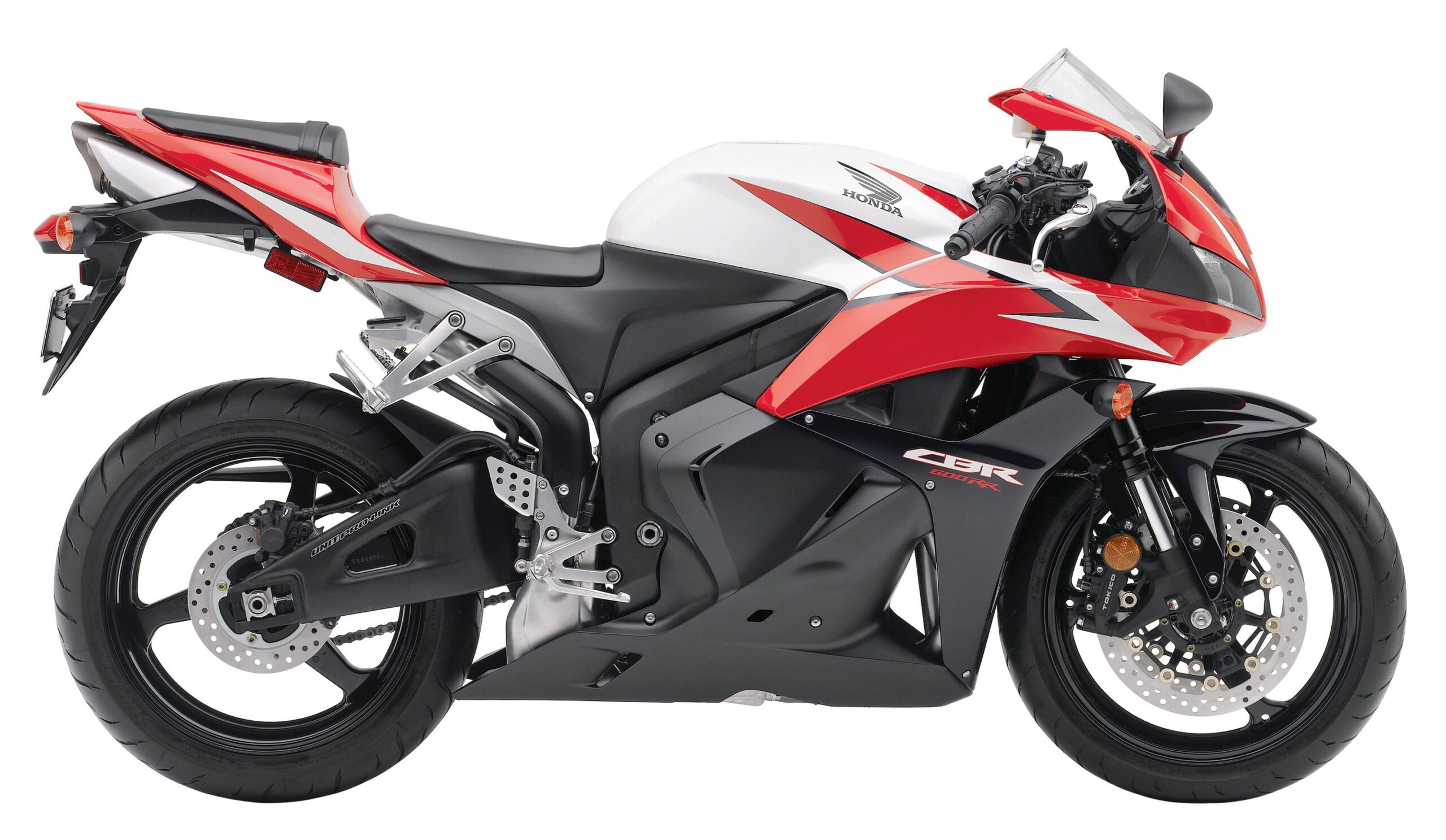
In the realm of sport motorcycles, the 2009 Honda CBR600RR stands as an archetype of precision engineering and exhilarating performance. This machine has long captivated riders and enthusiasts alike, not merely for its blistering top speed but for the symbiotic relationship it fosters between man and motorbike. The fascination with the CBR600RR is not simply rooted in tangible metrics like horsepower or lap times; instead, it evokes a visceral connection that transcends numerical data. Understanding this duality of performance — both measured and experiential — provides a richer appreciation of why this motorcycle remains a paragon in the mid-displacement sportbike category.
At first glance, the 2009 Honda CBR600RR’s top speed is a straightforward benchmark. Official figures often cite a maximum velocity hovering around 165 miles per hour, positioning it competitively among its peers within the 600cc class. However, this number only scratches the surface of its true engineering prowess. The motorcycle’s liquid-cooled, inline four-cylinder engine delivers a harmonious blend of high revving agility and torque delivery, ensuring responsiveness across a broad RPM range. This characteristic not only facilitates rapid acceleration but also empowers riders to harness the bike’s potential in a manner that feels organic rather than mechanical.
The CBR600RR’s reputation for real-world performance pivots on its meticulously crafted chassis and suspension components, designed to navigate the fine line between rigidity and pliability. Honda’s engineers embedded an aluminum twin-spar frame that offers exceptional torsional stiffness, enhancing stability during aggressive cornering while curtailing unwelcome flex that might erode rider confidence. Complementing this structural integrity is a suspension system tuned for razor-sharp handling, comprising an inverted telescopic front fork and a Unit Pro-Link rear shock, both featuring adjustable settings. The result is a motorcycle that adheres to the pavement with near-telepathic precision, translating rider input into fluid motion with minimal latency.
This sense of control is not trivial; it beckons riders toward a deeper engagement with the machine and the road. While the seduction of sheer speed is undeniable, it is the CBR600RR’s ability to deliver a nuanced performance—where acceleration, braking, and cornering coalesce seamlessly—that endears it to the cognoscenti. This complexity reveals why aficionados often speak of the bike’s “connectivity,” a term that describes the blending of sensory feedback from the tires, chassis, and controls into a cohesive experience. It is here, in this fusion of human and mechanical elements, that the motorcycle’s real allure resides.
Moreover, the 2009 model introduced an optional Anti-lock Braking System (ABS), a noteworthy advancement underscoring Honda’s commitment to safety without compromising the sportive ethos. This technology reassures riders during unpredictable braking scenarios, enabling more confident deceleration while preserving the instinctual feel of the brake lever. The inclusion of ABS accentuates the sophistication of the CBR600RR as a vehicle designed for both track-day enthusiasts and everyday riders who demand versatility without sacrifice.
The motorbike’s aerodynamic silhouette further enhances its dynamic capabilities. Its sleek fairings are not merely aesthetic flourishes; they serve the pragmatic function of reducing drag and improving airflow around the rider, thereby stabilizing high-speed performance and reducing rider fatigue. This aerodynamic efficiency, combined with the lightweight construction, contributes to the motorcycle’s nimble character, allowing rapid directional changes that define sport riding’s thrill.
Yet, beyond these mechanical virtues lies a psychological dimension fueling the enduring fascination with the 2009 Honda CBR600RR. Speed, after all, is not just a numerical value but a gateway to freedom and transcendence. The motorcycle’s blend of power and agility cultivates a sense of empowerment, enabling riders to confront challenges on the road or track with heightened awareness and precision. This interplay between machine capability and human skill resonates deeply, tapping into a primal desire for mastery and connection.
In examining the CBR600RR’s top speed alongside its holistic performance characteristics, a broader narrative emerges—one that addresses why this motorcycle has achieved iconic status in the sportbike community. It surpasses the simplistic obsession with maximum velocity and instead invites riders to explore the intricacies of motion, balance, and control. The bike’s engineering excellence acts as a canvas upon which individuals craft personal narratives of speed, risk, and exhilaration.
In conclusion, the 2009 Honda CBR600RR embodies more than just a high-performance motorcycle; it represents a confluence of innovation, responsiveness, and emotional resonance. Its top speed is impressive, certainly, but it is the comprehensive synthesis of its powertrain, chassis, technology, and tactile feedback that truly defines its real performance. This is a machine that commands respect and admiration not only for what it achieves but for how it makes riders feel — alive, connected, and perpetually engaged. Such enduring appeal ensures that the CBR600RR remains a beacon within sportbike lore, a testament to the profound union between human ambition and mechanical artistry.