The 2009 Suzuki GSX-R1000 has long been heralded as a formidable contender in the realm of liter-class sportbikes, celebrated for its blistering performance, razor-sharp handling, and a stature that exudes authority on the asphalt. But more than a decade since its release, one might ask: does this stalwart machine still embody the street monster it was originally acclaimed to be? Or has the relentless advance of technology and competition rendered it a relic—nostalgic but outpaced by modern marvels? This inquiry beckons a deeper exploration into the essence of the GSX-R1000, peeling back layers of innovation, design philosophy, and ride dynamics that define its legacy.
At the heart of the 2009 GSX-R1000 lies a 999cc inline-four engine, calibrated meticulously to deliver an intoxicating blend of high-revving power and linear torque. Generating approximately 180 horsepower at the crank, it was engineered to accelerate with unyielding ferocity, yet maintain mechanical precision that rewarded the rider’s finesse. The engine’s refinement owes much to its compact, lightweight design, employing titanium valves and a dual-throttle valve system to better manage airflow and throttle response. This synthesis resulted in an engine that felt as alive in urban stop-and-go traffic as it did on the twisted ribbons of rural backroads—an attribute often lost in contemporary beasts driven solely by brute force metrics.
But raw power is only one facet of this multifaceted machine. The frame and chassis of the GSX-R1000 were meticulously crafted to harmonize performance with control. The 2009 iteration retained the twin-spar aluminum frame, lauded for its exceptional torsional rigidity, which bestowed the bike with an uncanny ability to carve corners with surgical precision. Coupled with a finely tuned suspension setup that balanced firmness and compliance, the GSX-R1000 offered a riding experience that felt planted, vibrant, and communicative. In other words, it was far from an unwieldy monster; it was a symphony of engineering that invited riders to explore the limits of their skill.
Nonetheless, a critical contemplation arises when examining how the 2009 GSX-R1000 measures up against its modern successors and rivals. The intervening years have witnessed a technological renaissance in motorcycle engineering. Electronics such as traction control, multiple riding modes, cornering ABS, and quick-shifters, which were either rudimentary or unavailable in 2009, now dominate the landscape. These features extend a rider’s confidence by mitigating risk and enhancing performance in variable conditions. The 2009 model, with its relatively analog interface, demands more from its pilot—engagement, respect, and precision—embodying a more visceral and purist approach to motorcycling.
This begs the question—does the absence of such electronic aids diminish the GSX-R1000’s status as a street monster? One could argue the opposite. Its unfiltered character necessitates a deeper bond between machine and rider. Every twist of the wrist, every subtle shift in body weight, and every modulated application of throttle or brake is magnified in import. For those who relish the challenge of mastering a machine devoid of electronic babysitting, the 2009 GSX-R1000 remains a formidable adversary and an exhilarating partner.
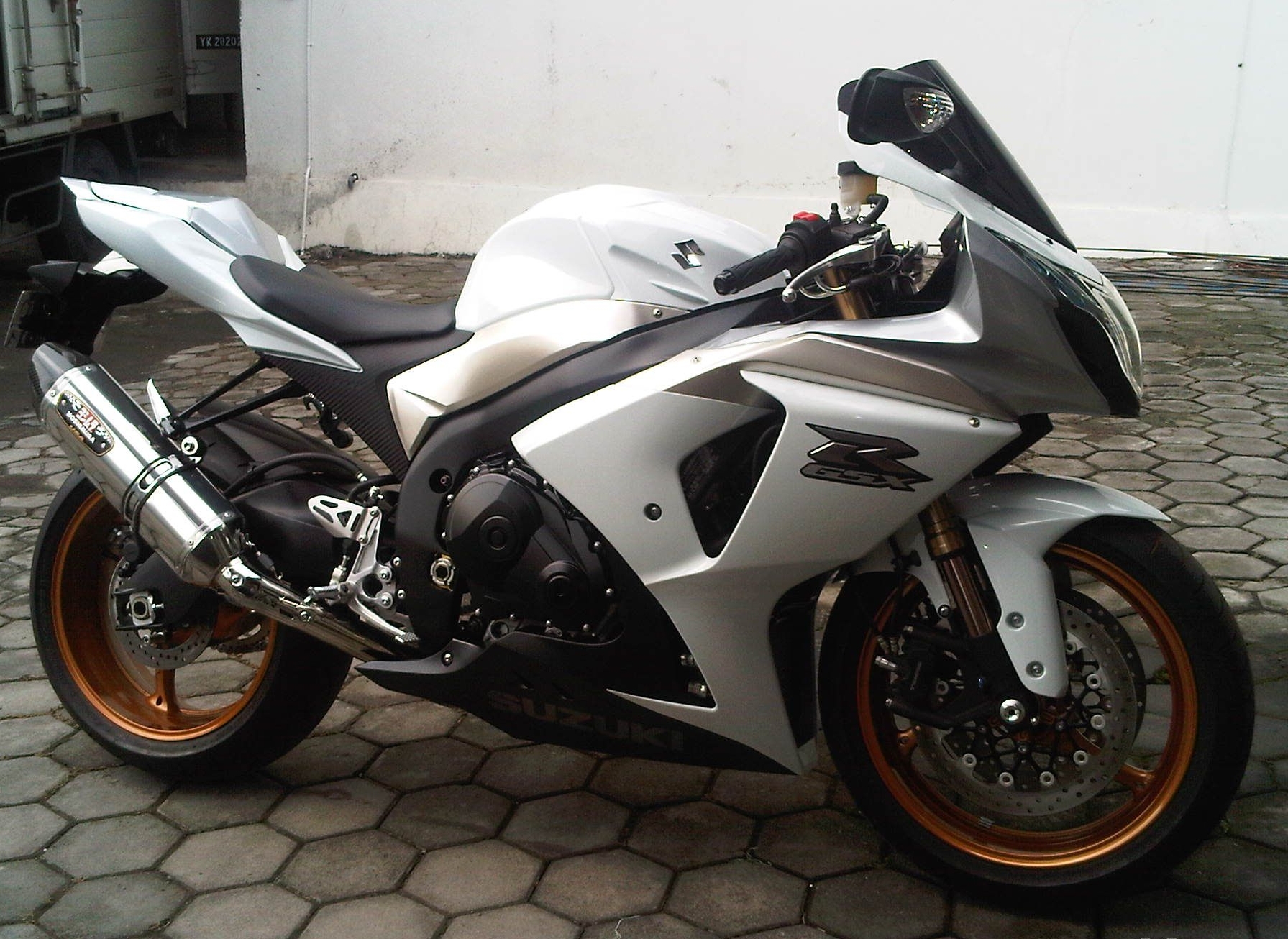
Moreover, the design ethos of the 2009 GSX-R1000 evokes an era where sportbikes cultivated a distinct aura—one steeped in aggressive aesthetics and purposeful ergonomics. Its sleek fairings, compact silhouette, and aerodynamic contours were not merely for show; they signaled the bike’s intention to slice through air and dominate racetracks and city streets alike. The aggressive, commanding posture it assumed is still capable of eliciting awe and envy, even when juxtaposed with contemporary designs that often prioritize technological flair over raw presence.
From a practical standpoint, its street manners remain commendable. The GSX-R1000 was designed not just for racetrack heroics but also for daily commutes and spirited weekend rides. The balance between comfort and performance was delicately poised; the seat position offers a slightly aggressive tuck that feels natural rather than punishing. The chassis geometry contributes to nimble handling in congested traffic, while the powerful braking system, with dual discs up front, ensures that stopping power matches the bike’s acceleration prowess.
Yet, challenges inherent to the 2009 GSX-R1000 must be acknowledged. Fuel injection mapping, though advanced for its time, cannot compete with the sophistication of contemporary electronic fuel injection systems. The absence of rider aids places a premium on skill and caution, possibly alienating newer riders or those accustomed to modern conveniences. Maintenance and parts availability for a decade-old model also require consideration; owning such a bike demands a commitment to upkeep that is often overlooked in contemporary discussions.
Nevertheless, the enduring appeal of the 2009 Suzuki GSX-R1000 lies precisely in this fearless dedication to mechanical authenticity. It represents a moment in motorcycling history when engineering prowess met raw human interaction unmediated by chips and sensors. For enthusiasts yearning for a ride that demands engagement and offers unfiltered thrills, the GSX-R1000 remains an alluring proposition.
Ultimately, does the 2009 Suzuki GSX-R1000 still qualify as a street monster? Absolutely—but perhaps it is a different breed of monster than today’s electronically enhanced counterparts. It challenges riders not just with speed, but with its unapologetic demand for mastery and respect. In an age where technology often softens the edge of performance, the GSX-R1000 stands as a reminder that true street monsters are not merely defined by numbers on a spec sheet but by the depth of experience they inspire.
As the motorcycle world hurtles forward, swept up in innovation and digital integration, machines like the 2009 GSX-R1000 serve as both a benchmark and a challenge—a provocative question to riders everywhere: Are you ready to tame the raw, unadorned spirit of a bona fide street monster?