Is the 2009 Yamaha Zuma 125 the quintessential urban scooter, or does it merely flirt with greatness without fully committing? This nimble two-wheeler, renowned for its youthful charisma and compact frame, beckons city dwellers and suburban sojourners alike to rethink the art of urban mobility. Its design, performance, and subtle nuances invite a deeper exploration into whether it truly claims the throne in the bustling kingdom of metropolitan scooters.
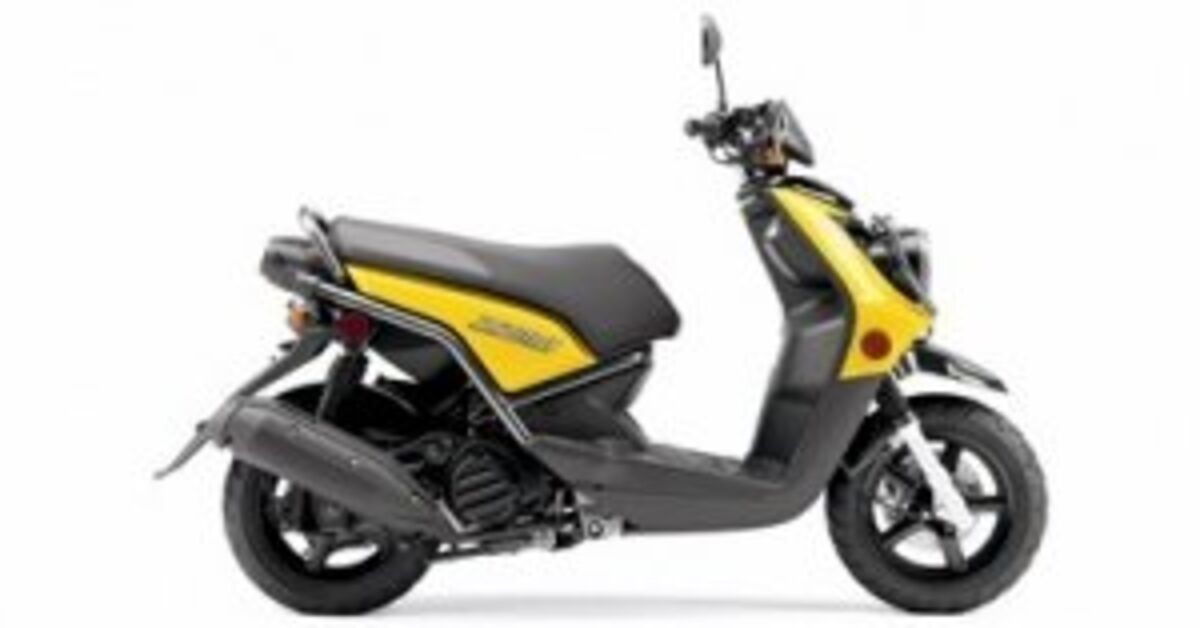
At first glance, the Yamaha Zuma 125 captivates with its aggressive stance and rugged contours. Unlike the quintessentially delicate city scooters, the Zuma is imbued with a somewhat utilitarian aesthetic, giving it an edge of durability that suggests it is built for more than just casual rides. The dual headlights, robust fat tires, and sturdy frame craft an image that is simultaneously playful and resolute, echoing an adventurous spirit that defies the confines of dreary urban commutes.
Beneath its enticing exterior lies a 125cc air-cooled, single-cylinder four-stroke engine, a powerplant that strikes a delicate balance between efficiency and responsiveness. While its displacement might not spell outright dominance in terms of raw speed, the Zuma’s engine delivers a spirited punch suitable for zipping through congested traffic and weaving deftly through tight spaces. The automatic transmission further complements the urban cadence, offering seamless acceleration without demanding the rider’s constant clutch management.
The scooter’s suspension system—telescopic front forks paired with twin rear shocks—effortlessly reconciles the jarring conundrum of city roads riddled with imperfections. From potholes to uneven pavement, the Zuma absorbs urban irregularities with an adeptness that enhances rider confidence. Coupled with its sizeable 10-inch fat tires, which provide ample grip and stability, the 2009 model promises a ride that is both smooth and controlled.
One of the standout features lies in the Zuma 125’s ergonomics and practicality. Its seat height, ergonomically set at a manageable level for most riders, allows for easy ground reach, cultivating a sense of control especially critical in stop-and-go city scenarios. The step-through design invites quick mounting and dismounting, a small but significant boon in hectic metropolitan environments. Moreover, under-seat storage offers a modest but functional space for essentials, though it may not satiate long-haul urban adventurers who demand more cargo capacity.
Yet, the 2009 Yamaha Zuma 125 does not escape challenges. Its fuel tank, modest in volume, while boasting respectable fuel efficiency, necessitates more frequent stops at the pump compared to some competitors. For riders embarking on extended urban odysseys, this could pose a slight inconvenience. Additionally, while its weight remains manageable, the Zuma is slightly heavier than many traditional scooters in the same displacement category, potentially flirting with the threshold of nimbleness that city riders prize.
The question of maintenance also lends texture to the discourse. Yamaha’s reputation for reliable engineering is evident in the Zuma’s mechanical simplicity, ensuring that upkeep does not spiral into a labyrinth of complexity or cost. Replacement parts are generally accessible and reasonably priced, making long-term ownership attractive to frugal urban riders. However, the scooter’s styling and components, while rugged in appearance, demand regular attention to prevent wear from the relentless exposure to city grime and the occasional abrasive weather element.
Intriguingly, the 2009 Zuma 125 appeals to a diverse demographic spectrum. Its youthful design and vibrant palette resonate with younger riders yearning for a fun, affordable mode of transport. Conversely, older riders might appreciate its straightforward handling and reliability without the unnecessary bells and whistles found in contemporary scooters.
When juxtaposed against the backdrop of urban transit alternatives, the Zuma 125 holds its ground admirably. Unlike cumbersome motorcycles or fuel-thirsty vehicles, it offers an admirable blend of agility and frugality. Its ability to navigate tight spaces and ease parking woes stands as a testament to thoughtful engineering tailored for city life. However, its competition is fierce, with many modern scooters boasting enhanced digital instrumentation, larger storage units, and sometimes even hybrid or electric powertrains that cater to evolving environmental concerns and tech-savvy sensibilities.
Ultimately, the 2009 Yamaha Zuma 125 invites a nuanced verdict rather than a definitive proclamation. It is an urban scooter with charisma, substance, and a few caveats. Its balance of rugged charm and practical functionality appeals to those who view city riding as more than just routine transit—it becomes an extension of personality and a canvas for exploration. The question remains: does it outshine its peers enough to earn the title of “best” urban scooter? This depends largely on individual priorities—whether one prizes styling, maneuverability, maintenance ease, or a blend of all.
In conclusion, the 2009 Yamaha Zuma 125 embodies the vibrant spirit of urban mobility, blending an infectious playful demeanor with commendable utility. While it might not be flawless, it champions a purist approach to city riding that many riders continue to admire and seek. For those navigating the labyrinth of urban streets, the Zuma offers more than a means of travel—it provides a companion eager to turn every ride into an adventure, albeit with an occasional nod to the realities of city life. The challenge it proposes to riders is simple yet profound: embrace the city with zest, style, and just a sprinkle of irreverence.