In the realm of three-wheeled motorcycles, the 2010 Can-Am Spyder lineup stands as a compelling testament to innovation and versatility. Among its offerings, the Spyder RT and RS models capture the imagination of riders who seek a unique blend of stability, performance, and style. The striking aesthetics paired with the engineering prowess evoke a fascination that transcends mere transportation—to many, it symbolizes a revolutionary approach to motorcycling. But when confronted with the decision between the Spyder RT and RS, the choice is not straightforward. Each model reflects a distinct philosophy, catering to divergent rider preferences and priorities. Understanding the nuances that differentiate these two machines is essential for making an informed purchase that resonates with one’s riding aspirations.
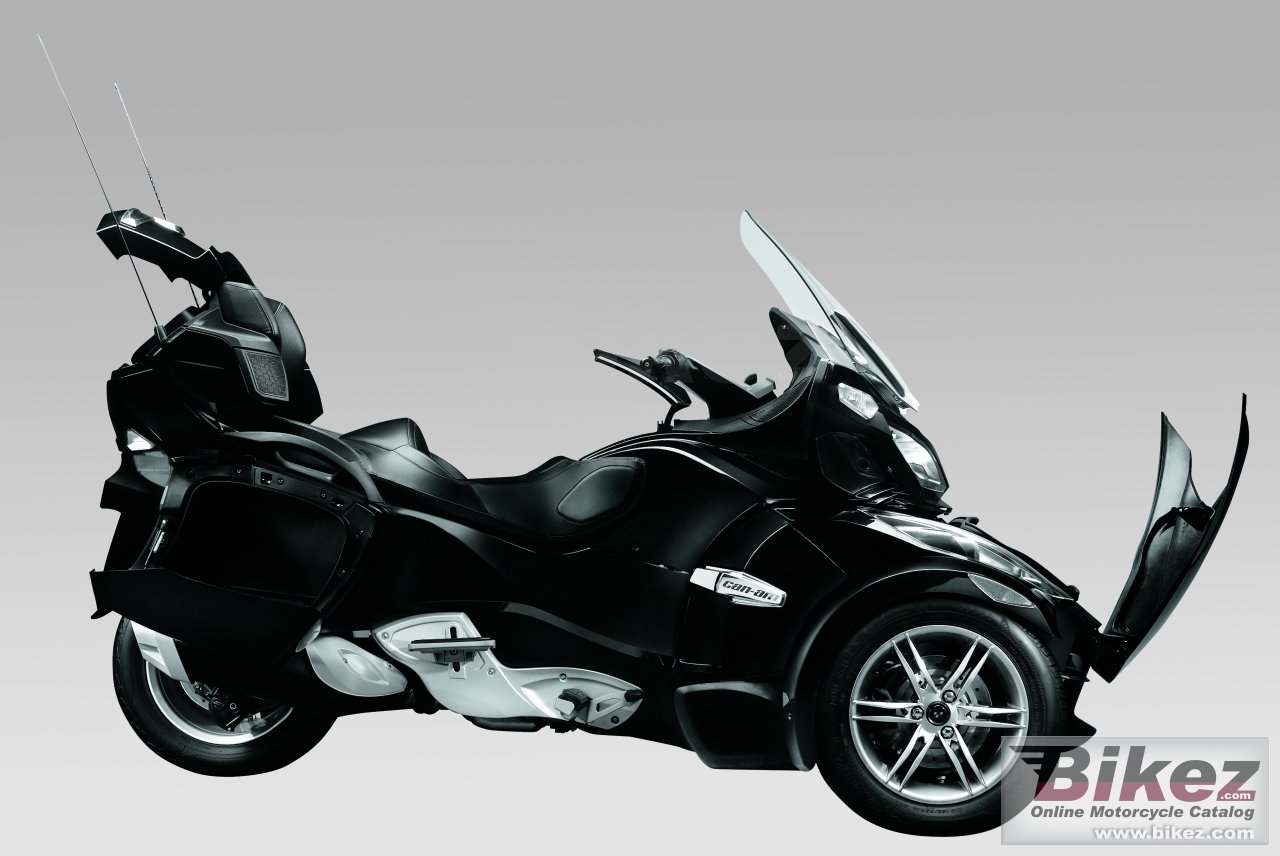
The Can-Am Spyder RT serves as the quintessential grand touring trike. Immediately noticeable is its more substantial frame and extensive fairing, designed not only for aerodynamics but also for rider comfort during long-distance escapades. It is a kinetic embodiment of road endurance, boasting an array of creature comforts like a plush adjustable seat, ergonomic handlebars, and sophisticated integrated storage compartments. The fairing itself is both functional and stylish, effectively shielding the rider from wind buffeting, rain, and debris. This practical design leads to an immersive riding experience that prioritizes comfort and convenience over the raw thrill of agility.
Conversely, the Spyder RS exudes an aggressive sporting demeanor. Its streamlined, minimalistic bodywork showcases a leaner silhouette, aimed at riders who crave a closer connection to the road. The RS’s chassis emphasizes nimbleness, sporting a more taut suspension setup and lighter frame that encourage precision handling and spirited cornering. While it forgoes some of the grand touring accessories, it compensates with a rider-focused layout that invites an invigorating and dynamic riding style. Its understated wind protection also hints at a more purist motorcycle experience, where engagement and responsiveness take precedence.
Much of the engrossing debate between the Spyder RT and RS stems from their divergent targets within the niche of three-wheeled vehicles. The RT, for many, represents a convergence of motorcycle touring comfort with the stability and security afforded by its dual front wheels. Its inclusion of technological advancements such as ABS brakes, traction control, and a sophisticated audio system further enhance its all-encompassing character. These features cultivate a reassuring sense of confidence for riders who prioritize safety and long-haul conveniences, even during inclement weather.
The RS, meanwhile, speaks to those captivated by the essence of sport riding without sacrificing the unique balance and stability the Spyder platform offers. The RS’s more aggressive ergonomics—with higher footpegs and lower handlebars—invite a forward-leaning posture that enhances control and feedback during spirited rides. It is a machine for riders who relish the thrill of quick directional changes and the tactile sensations of acceleration, braking, and cornering. Yet the inherent stability of three wheels tempers these thrills with an approachable confidence, diminishing the anxiety that can accompany high-performance motorcycles.
Both models are powered by the same robust Rotax 990 cc V-twin engine, which delivers a potent blend of torque and acceleration suitable for a variety of riding environments. Yet the experience it imparts varies measurably between the two. On the RT, the engine’s character is subtly subdued by the touring-oriented setup; the feeling is more refined, steady, and effortless. On the RS, the same powerplant feels more immediate and energetic, tailored to harness the rider’s dexterity and penchant for spirited maneuvers. This duality eloquently underscores the deeper raison d’être behind each variant.
When considering storage capacity—a crucial factor for many buyers—the Spyder RT clearly outshines its sibling. Its generous trunk space and saddlebags are designed for globetrotters and weekend explorers to carry gear, clothing, and essentials without compromising stability or ride quality. The RS, meanwhile, offers more limited cargo capability, reflecting its emphasis on stripped-down performance and agility. For riders with perpetual wanderlust or those anticipating extended journeys, the RT’s storage solutions provide an irreplaceable advantage.
Technology and instrumentation further delineate these two machines. The RT is outfitted with an advanced digital display panel that integrates ride information, navigation capabilities, and entertainment controls, seamlessly woven into the design. The RS opts for a simplified, sportier interface that prioritizes fundamental performance metrics and minimal distraction. This distinction reflects a philosophical rift: the RT is a sanctuary of connectivity and comfort, while the RS champions the purity of the riding experience.
Suspension and braking systems on both the RT and RS embody the pinnacle of Can-Am’s engineering standards, yet their tuning diverges to reinforce their respective identities. The RT’s suspension offers greater compliance and smoothness, ameliorating road imperfections and emphasizing a plush ride. Its brakes provide progressive modulation conducive to relaxed, controlled deceleration. In contrast, the RS boasts firmer suspension calibrated for track-like responsiveness, with brakes delivering sharper feedback and more aggressive bite, ideal for enthusiastic riders navigating winding roads.
In terms of rider demographics, the RT appeals predominantly to those valuing comfort and versatility—older riders or couples who prioritize travel ease and convenience. The RS attracts the younger or more sporty rider demographic, those who revel in the immediacy of the ride and the challenge of the road. Yet, both models share the common attribute of challenging traditional motorcycle norms, inviting riders to embrace an alternative riding paradigm that balances the exhilaration of motorcycling with the security of three wheels.
In the broader cultural landscape, the fascination with the Can-Am Spyder phenomenon lies not just in its technical specifications but in its defiance of convention. It hints at a deeper evolution in how two-wheeled enthusiasts envision mobility, freedom, and safety. The choice between the RT and RS embodies a personal revelation about one’s relationship with motorcycling—whether favoring the contemplative journey or the provocative thrill.
Ultimately, the question of which 2010 Can-Am Spyder to purchase is contingent upon the rider’s priorities and aspirations. For the rider whose heart yearns for road trip grandeur, uninterrupted by fatigue or adverse weather, the RT is an unequivocal champion. For the rider whose spirit ignites at the prospect of swift, agile handling and a visceral connection to the machine, the RS beckons invitingly.
Whichever path one chooses, the 2010 Can-Am Spyder lineup stands as a pioneering force in redefining the boundaries of motorcycle design and experience. It fosters a profound fascination with its duality—melding functionality with excitement, security with agility, tradition with innovation. The Spyder RT and RS are not just vehicles; they are embodiments of the evolving motorcycle ethos, inviting riders to select the narrative that best harmonizes with their individual quest for freedom on the open road.