In the realm of middleweight sportbikes, few rivalries have captured the imagination—and attention—of riding enthusiasts quite like the competition between the 2011–2012 Yamaha YZF-R6, Suzuki GSX-R750, and Triumph Daytona 675. This triad epitomizes a delicate balance of power, precision, and personality, each model carving a distinctive niche while challenging the limits of what a truly great middleweight superbike ought to embody. Observers often marvel at this comparison, and the reasons run deeper than mere specs or lap times; the fascination lies in a confluence of engineering philosophies, rider experiences, and cultural impact that transcend the motorcycles’ metal and mechanics.
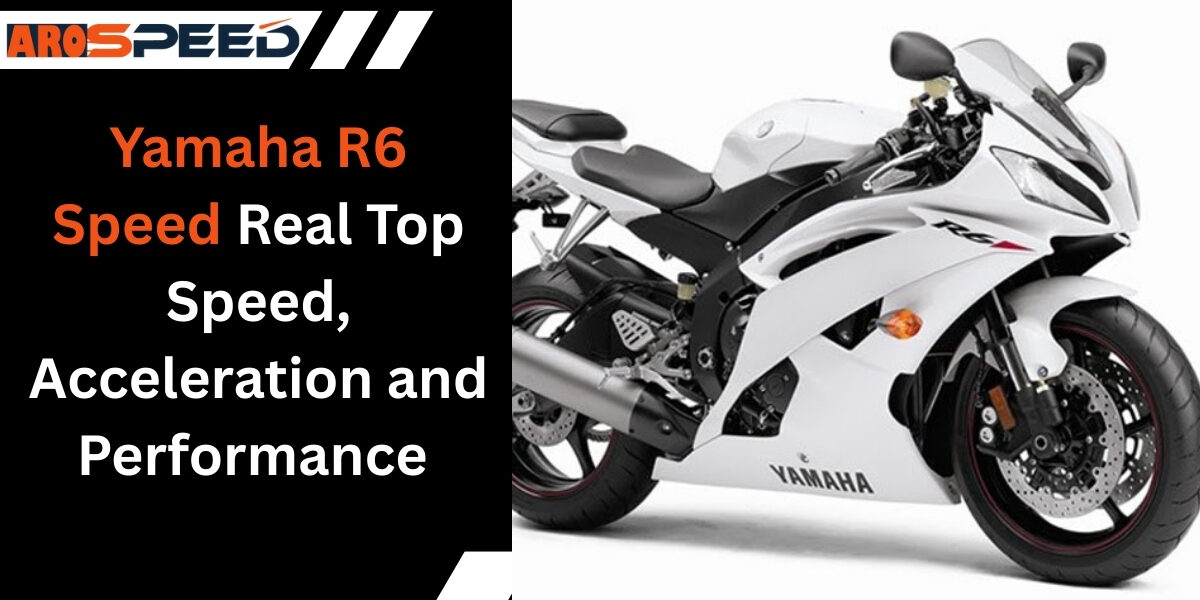
The Yamaha YZF-R6, long established as a benchmark in the 600cc superset, shines through its peerless agility and razor-sharp handling. Yamaha’s engineering prowess culminated in a motor and chassis combination that balances blistering high-revving performance with sublime control. The 2011–2012 models represent the last of the golden era before regulatory shifts began to temper middleweight performance across the board. It boasts a 599cc, inline four-cylinder engine that screams to its 17,500 rpm redline with precision, a testament to Yamaha’s racing lineage. What sets the R6 apart is its unwavering focus on track-ready dynamics: a supple yet responsive suspension, aggressive ergonomics designed for aerodynamics and control, and electronic aides that enhance rider confidence without diluting engagement.
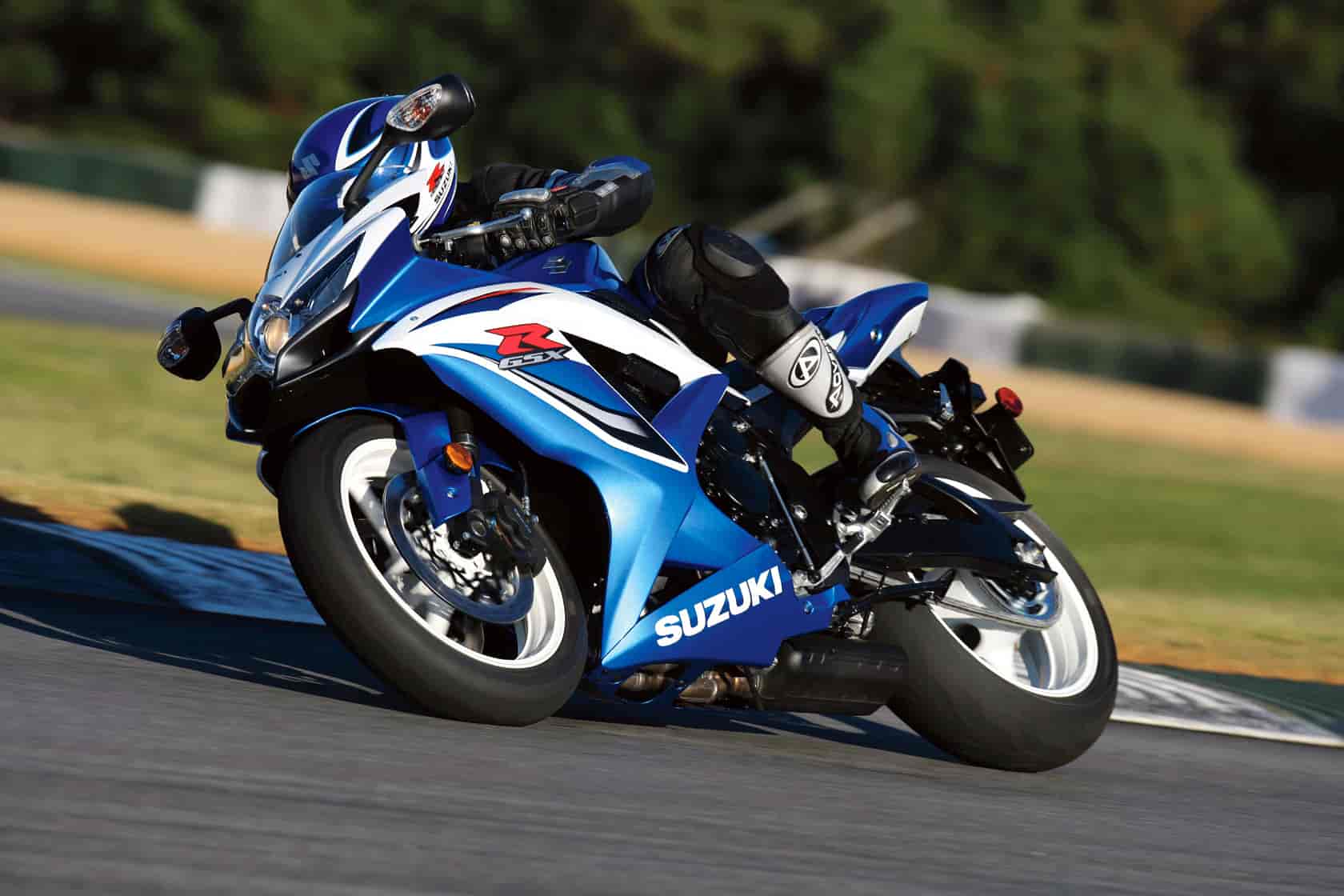
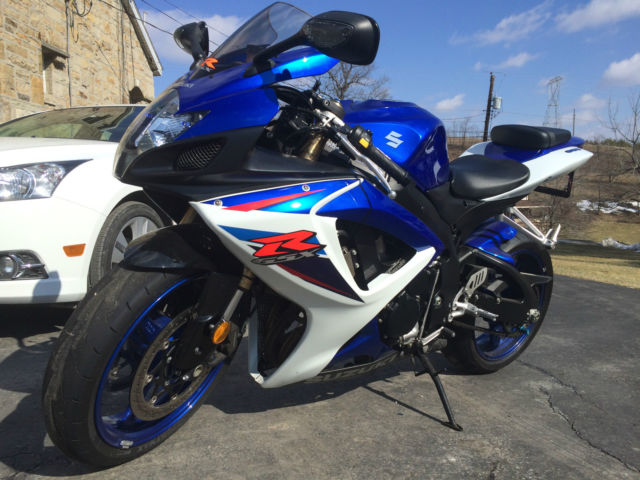
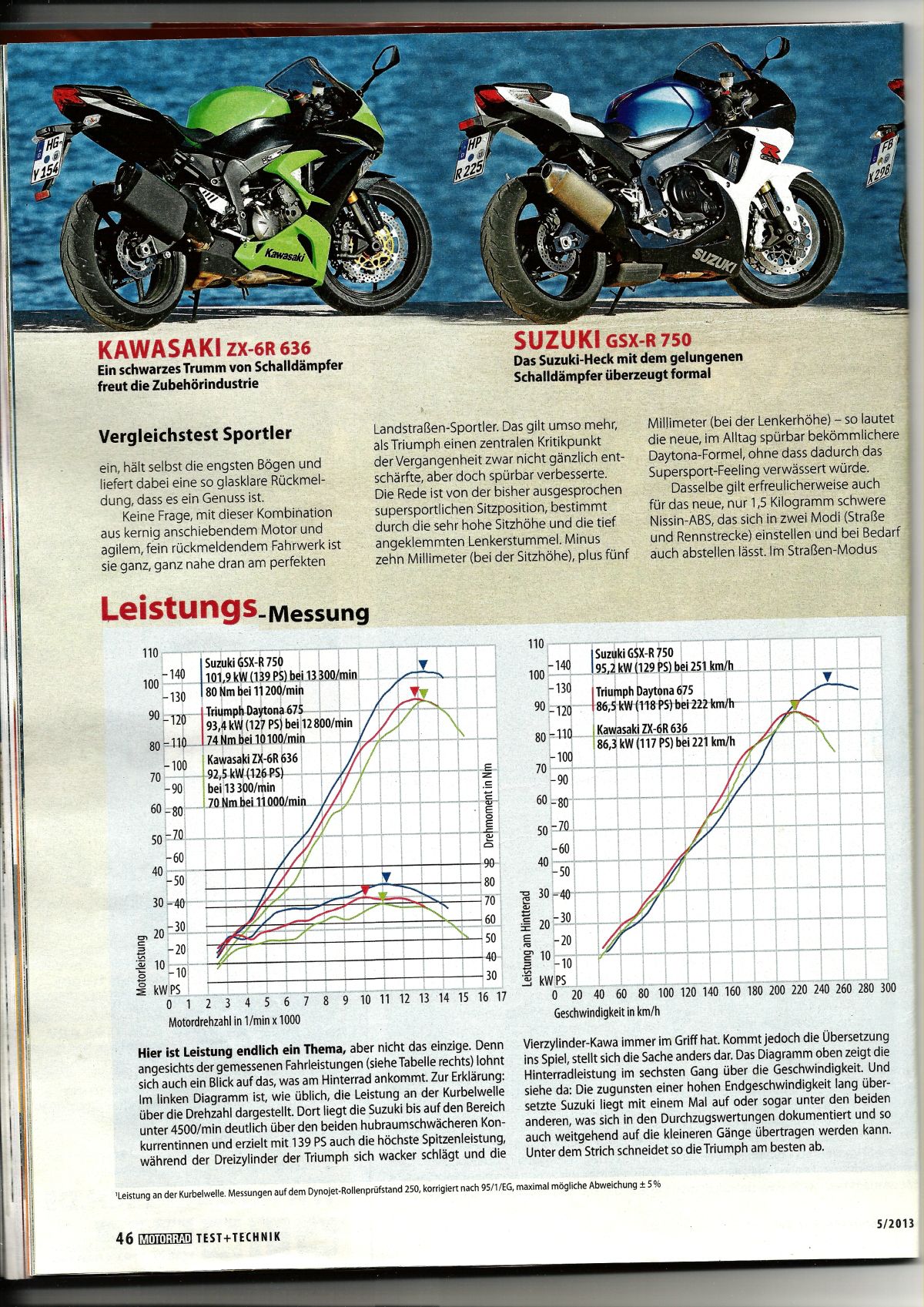
Contrast this with the Suzuki GSX-R750, a model with a lineage steeped in history yet forged with contemporary sensibilities. The GSX-R750 occupies a unique position, straddling the line between a 600cc and a liter-class machine. Its four-cylinder 750cc engine delivers a broader torque curve, providing flexibility and potent midrange grunt that often translates into real-world usability. The 2011–2012 version, while perhaps less razor-focused than the R6, rewards riders with a muscular feel and stability at higher speeds, a characteristic that appeals to those who prize straight-line performance and confidence-inspiring composure. Suzuki’s approach conspicuously prioritizes balance over pure cornering agility, a deliberate design decision that amplifies the bike’s appeal as an all-rounder capable of excelling both on the street and the track.
Then there is the Triumph Daytona 675, a phenomenally distinctive contender with its exotic three-cylinder engine architecture. The 675cc triple balances the sheer top-end excitement of the Yamaha with a midrange richness that few rivals can match, producing a signature surge of character alongside a uniquely intoxicating howl. Its chassis dynamics lean toward precision and responsiveness but with a certain organic fluidity that inspires rider confidence through varying corner profiles. What truly elevates the Daytona is its ability to marry raw sportbike aggression with an accessible, almost soulful character that resonates deeply with riders who prefer a more engaging, visceral connection rather than cold mechanical efficiency. The 2011–2012 models reflect this philosophy through a lightweight frame, aggressive ergonomics, and sophisticated suspension setup, making it an ideal choice for riders seeking a nuanced and emotionally rewarding ride.
Part of what fuels ongoing intrigue around this middleweight showdown lies in how each motorcycle encapsulates divergent philosophies about performance and riding pleasure. The R6 channels the purebred racer’s ethos—cutthroat precision, uncompromising speed, and a thrill rooted in effective engineering and demand for skill. Conversely, the GSX-R750’s thicker torque delivery and stable demeanor represent a pragmatic bridge between raw sportiness and versatile application, appealing to riders who desire both track-worthy capabilities and everyday usability. Meanwhile, the Daytona 675 stands as a zenith of character-driven engineering, where sound, power delivery, and frame dynamics combine to create an engaging, almost cultivatable relationship between rider and machine.
This fascination with middleweight sportbikes often goes beyond gravel and track; it taps into the psychology of riders striving for an ideal synthesis of lightness, power, and nimbleness. The 600cc supersport class has historically symbolized accessible performance—a gateway to speed and agility without the sometimes overwhelming intensity of liter-class machines. However, the presence of the GSX-R750, with its larger displacement, and Triumph’s uniquely spirited triple, complicates this equation, showing that middleweight performance isn’t monolithic. Riders select motorcycles not only for their numbers on paper but for how these numbers translate into an experience. It’s a subtle dance between horsepower and handling, between objective metrics and subjective thrill.
Moreover, these models resonate with a broader cultural narrative concerning technological innovation and heritage within motorcycling. Yamaha’s R6, developed in homage to the company’s racing dominance, remains a testament to Japanese engineering discipline and the pursuit of track supremacy. Suzuki’s GSX-R750, with its storied past and evolution from a revolutionary 1980s bike, embodies continuity and adaptability. Triumph, as the British marque with a storied past reinventing itself through the Daytona, infuses character and exclusivity into the mix. It’s no surprise these machines ignite passionate debates; each signifies different interpretations of sportbike excellence.
Despite the technical disparities and varying emphases, these motorcycles appeal to a shared longing within the riding community—a desire for connection and mastery. This is more than a contest of acceleration or top speed; it’s about engaging with a machine that rewards finesse, that challenges and supports growth. This duality of competition and companionship elevates the 2011–2012 Yamaha R6, Suzuki GSX-R750, and Triumph Daytona 675 beyond mere products. They become artifacts of a moment in motorcycle history when innovation met tradition, and choice meant exploration, offering riders distinct pathways to exhilaration.
In observation, the middleweight rivalry of the early 2010s remains iconic precisely because it encapsulates differing philosophies under the single umbrella of performance sportbikes. Whether it’s the razor-sharp racetrack precision of the Yamaha R6, the muscular midrange-focused versatility of the Suzuki GSX-R750, or the impassioned triple-threat attack of the Triumph Daytona 675, each machine commands respect and fascination in equal measure. Together, they narrate a rich story of engineering ingenuity, rider engagement, and enduring passion—factors that continue to captivate enthusiasts worldwide.