In the realm of middleweight motorcycles, three contenders have consistently sparked debate among enthusiasts and casual riders alike: the Triumph Street Triple, the Kawasaki Ninja 650, and the Suzuki SV650. Each of these machines possesses a distinct character, a unique blend of engineering philosophy, and riding dynamics aimed at carving out its niche in a fiercely competitive market segment. While they all ostensibly serve the same purpose—a versatile streetfighter or sport-standard bike—the nuances embedded within their design and performance invite a profound reconsideration of what a middleweight motorcycle can truly offer.
At first glance, these bikes might appear to play in a similar league: all boasting twin-cylinder engines designed for a balance of power and manageable rider engagement, all enticing prospective owners with a mixture of style and practicality. Yet, as one delves deeper into their machinations and feels the subtleties of their road manners, it becomes clear that a middleweight showdown between the Street Triple, Ninja 650, and SV650 promises to challenge preconceived notions and elevate expectations.
The Triumph Street Triple enters the fray with a reputation that borders on cult status. Lauded for its razor-sharp handling and a triple-cylinder engine that screams with a note both exotic and intoxicating, the Street Triple is the embodiment of British craftsmanship meeting aggressive urban agility. The motor’s linear power delivery coupled with brisk throttle response instills confidence whether darting through city traffic or slicing along twisty backroads. Its ergonomic layout strikes a balance between sporty and comfortable, allowing for spirited riding without tedious strain. The Street Triple also flaunts a distinct attitude in its aesthetic—sharp, minimalistic, and unapologetically angular—that signals both sophistication and menace in equal measure.
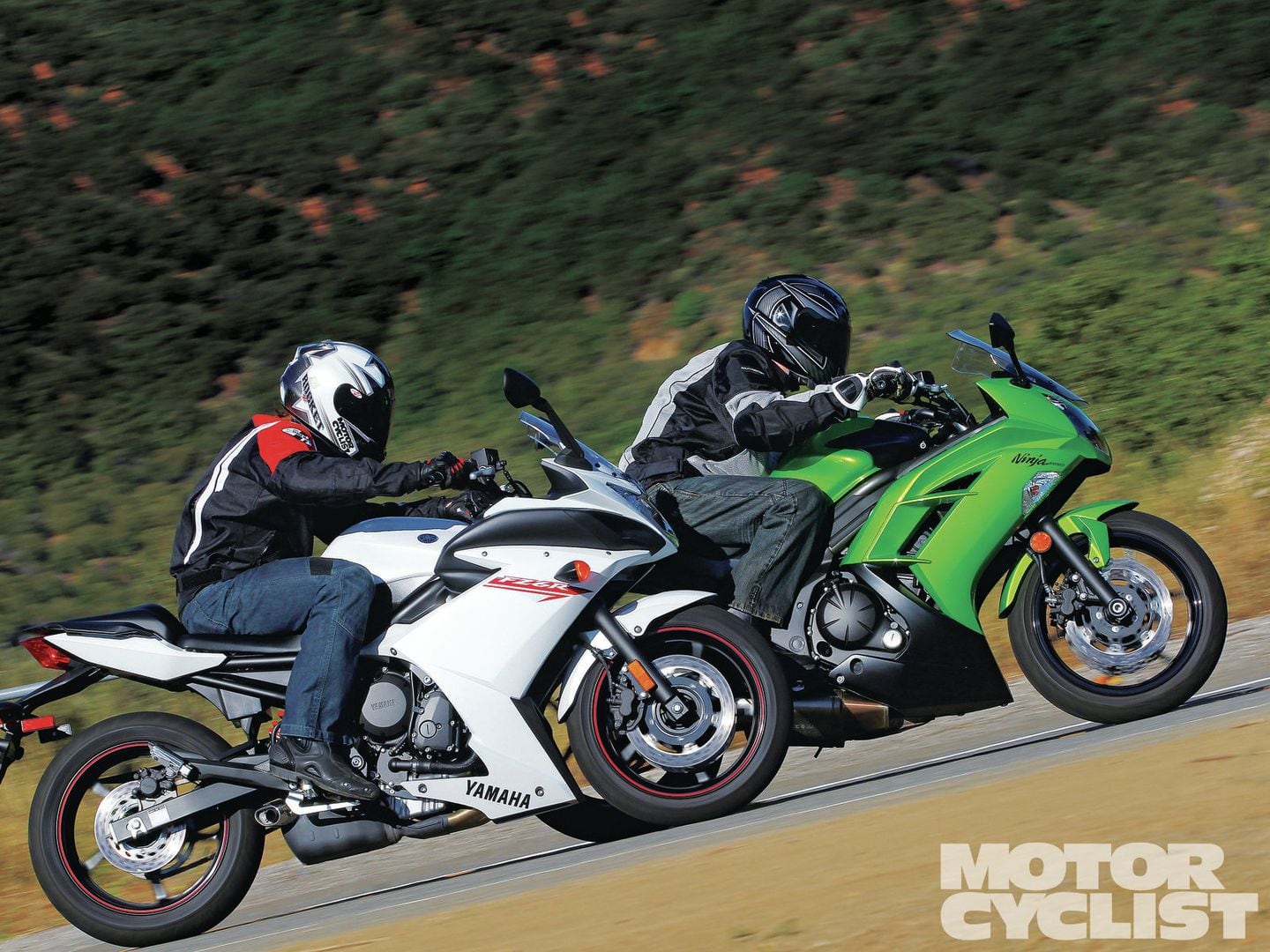
Conversely, the Kawasaki Ninja 650 offers a different kind of charm and prowess. Where the Street Triple dazzles with audacity, the Ninja 650 excels with accessible refinement steeped in practicality. Its parallel-twin engine delivers a broad torque curve that shyly coax riders into exploring the midrange, evading the abruptness often associated with sportbikes. As a middleweight contender, the Ninja distills a sense of daily usability without sacrificing emotional engagement, making it a favorite among those who want a dependable partner on the commute yet crave spirited weekend rides. The chassis offers commendable stability while the lightweight nature lends itself to agile maneuvering. Plus, Kawasaki’s characteristic reliability and affordability render the Ninja 650 not just a motorcycle—but a companion designed for endurance and versatility.
Meanwhile, the Suzuki SV650 stakes a compelling claim with its no-nonsense approach and hallowed V-twin character. The SV650 has earned accolades for its balance of simplicity and charisma, with an engine that imparts a satisfyingly tractable midrange punch that invites riders to indulge in a rhythmic throttle play. Its V-twin heartbeat distinguishes it sonically and tactically from its rivals, translating into a riding experience rich in personality. The SV’s chassis is praised for its neutral handling, creating an inviting platform for riders honing their skills or looking to unlock the bike’s potential in various riding contexts. The ergonomics blend comfort and sportiness, allowing the SV650 to contend as an all-rounder that refuses to be pigeonholed. Its unpretentious styling might not grab immediate attention, but its substance resonates deeply with those who understand motorcycling as an experiential art form.
Zooming out to the broader context of what each motorcycle signifies in the middleweight category, an intriguing dialogue emerges about the intersection of performance, comfort, and identity. The Street Triple, often heralded for its aggressive flair and dynamic poise, caters to riders seeking a thrilling connection to the road. It encapsulates the ethos of performance art on two wheels, serving those who view motorcycling as a visceral and engaging sensory experience. The Ninja 650, by contrast, bridges the gap between sport and utility, its design philosophy rooted in reliability and amiability. It extends an invitation to newcomers and veterans alike to enjoy a motorcycle that is both approachable and rewarding. Meanwhile, the SV650 offers a purist’s playground—demystifying complexity and embracing a raw, elemental riding pleasure that remains unblemished by unnecessary embellishments.
Examining the technology embedded within these platforms further heightens the appreciation for their individual curation. The Street Triple showcases advanced chassis components, precise suspension tuning, and a competent braking system that underscores its performance intent. Its electronics package, while not overly intrusive, provides essential rider aids that heighten safety without stripping away control. Kawasaki’s Ninja 650, in contrast, might skew towards mechanical simplicity but integrates contemporary features such as fuel injection refinement, modern suspension architecture, and ergonomics that prioritize rider endurance. Suzuki’s SV650 continues to captivate through its blend of straightforwardness and subtle sophistication, employing a frame geometry that balances rigidity with compliance and powertrain finesse that elevates usability without sacrificing fun.
Understanding these distinctions opens the door to a richer, more nuanced appreciation of what a middleweight motorcycle can promise. These bikes are not merely transportation tools but are reflections of divergent philosophies that invite riders to experience their motorcycling journey differently. Whether it’s the adrenaline-fueled precision of the Street Triple, the steady reliability and versatility of the Ninja 650, or the spirited simplicity of the SV650, each motorcycle extends an invitation to redefine what constitutes everyday riding excellence.
The 2012 middleweight landscape, therefore, is not a tale of straightforward comparison but a complex choreography of contrasts. The Street Triple entices those with a penchant for cutting-edge agility and spirited performance. The Ninja 650 lures riders seeking pragmatic versatility and a dependable nature. The SV650 resonates with aficionados who prize authenticity and character in their mechanical companions. This juxtaposition fosters a deeper conversation about the essence of motorcycling—the intersection of emotion, utility, and art.
Ultimately, selecting among these three is less about declaring an outright victor and more about embracing the distinctive promises each offers. One invites you into a realm where every twist of the throttle is a reverent nod to engineering virtuosity. Another welcomes you with open arms to a world where everyday practicalities coexist with sporty flair. The third captures the soul of motorcycling as a candid, raw, and unfiltered expression of freedom.
As riders stand at the crossroads of choice, the 2012 Street Triple, Ninja 650, and SV650 challenge them to look beyond horsepower charts and spec sheets. They urge a consideration of what motorcycling truly means on a personal level. This middleweight showdown is not merely a contest of machines but an exploration of the multifaceted identities riding within each of us.