As a capsule of a tumultuous era in British manufacturing and motorcycling history, the motorcycles of the 1970s represent not just machines, but symbols of passionate artistry, engineering prowess, and cultural significance. Among the stalwarts of this vintage motorbike renaissance are the BSA (Birmingham Small Arms Company) and the Triumph TR6. Each brand, steeped in a rich heritage, invites enthusiasts to explore their intricate designs, roaring engines, and celebrated road histories. This guide seeks to illuminate critical details for potential buyers and aficionados alike.
1. Historical Context
The 1970s were pivotal for British motorcycles, marked by fierce competition against burgeoning Japanese manufacturers. As AK-47s of the motorcycle world, British bikes distinguished themselves not just through performance, but through a distinctive culture steeped in audacity and rebellion. BSA and Triumph were indisputable giants, with their models representing the zenith of British craftsmanship during a time of both triumph and tribulation.
2. BSA Motorcycles: A Closer Look
The BSA motorcycle brand, established in 1910, had a rich legacy of innovation. The BSA Thunderbolt and Lightning models of the 1970s are quintessential to understanding the brand’s durable reputation. The 650cc BSA Thunderbolt, often hailed for its stylish appearance and robust power, offered an amalgamation of performance and reliability. Its sweeping lines and minimalist aesthetic were reflective of the classic motorcycle ethos.
However, beneath the polished chrome and alluringly tapered tanks lay complexities that made BSA bikes more than mere transportation. This motorcycle wasn’t just for riding; it was a lifestyle, an emblem of freedom for an entire generation. Riders identified not only with the machine but the spirit of resilience that characterized BSA during an era fraught with labor disputes and impending decline.
3. Triumph TR6: The Icon
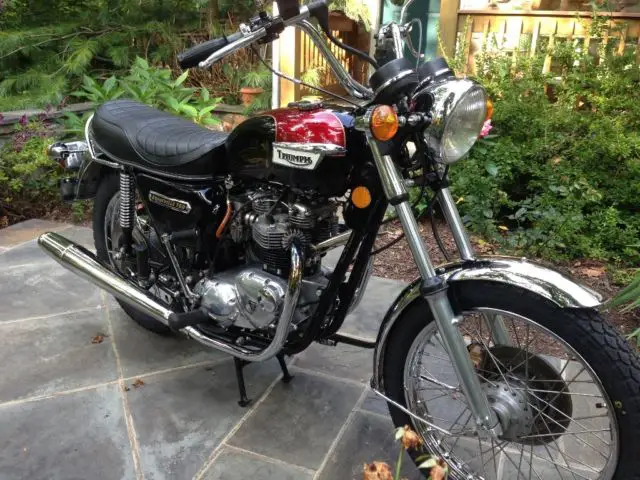
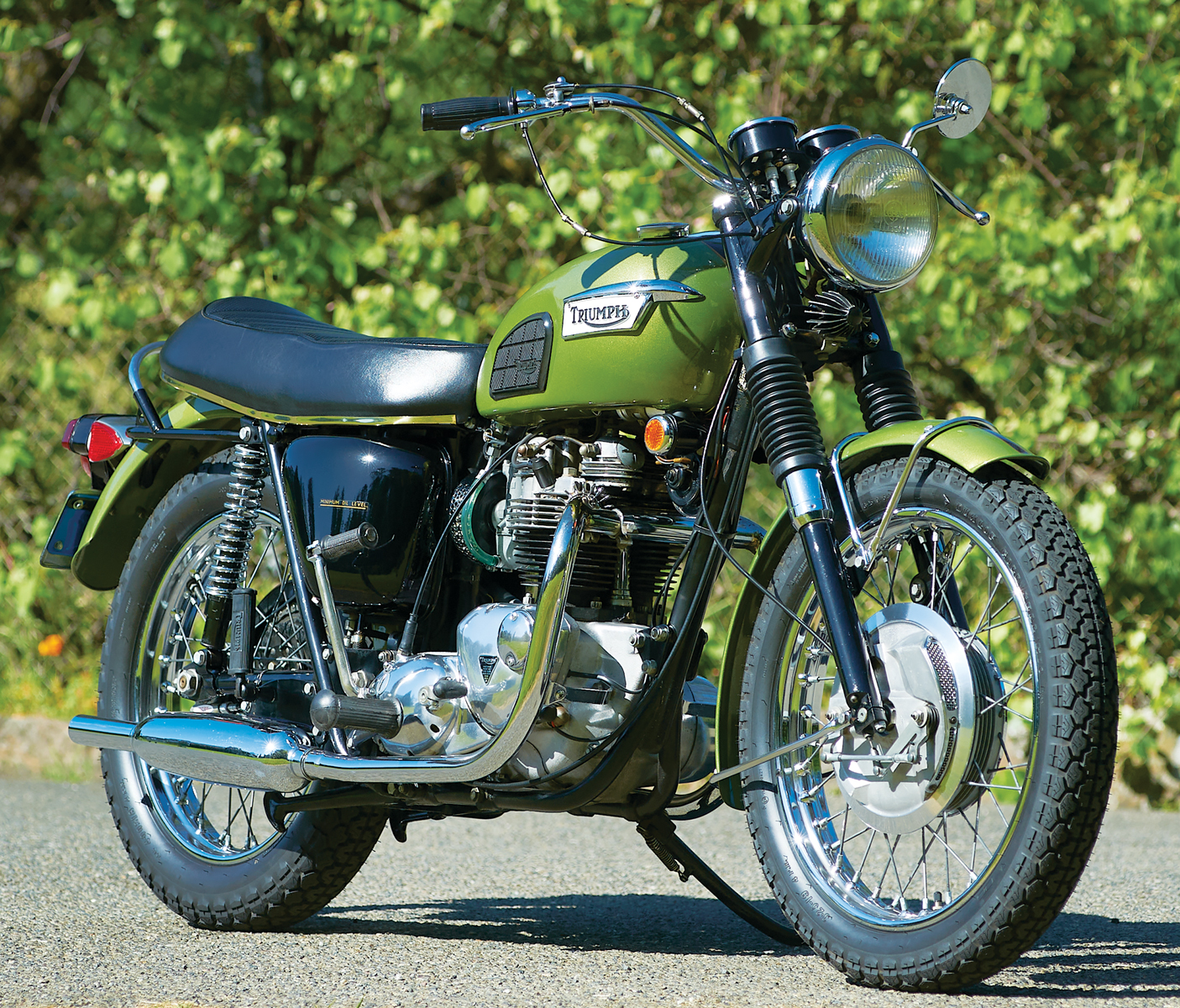
Contrasting yet complementary, the Triumph TR6 emerged as a stunning manifestation of British motorcycle design. Powering the streets with its distinguished 650cc engine, the TR6 was revered for its remarkable blend of performance and character. Adorned with an unmistakable silhouette and a beguiling growl that echoed through the streets, it became a favorite among enthusiasts, including Hollywood stars and rebels.
The TR6’s engine, known for its memorable vibrations, offered a tactile and visceral experience that modern motorcycles sometimes lack. This connection between rider and machine becomes an exploration of man’s relationship with machinery, rendering the TR6 not just a motorcycle, but a cultural artifact. Indeed, its enduring popularity highlights the nostalgic longing for a bygone era.
4. Key Features and Specifications
When evaluating BSA and Triumph motorcycles, understanding their specifications is crucial. Let’s dissect a few pivotal components:
- Engine Performance: Both the BSA Thunderbolt and Triumph TR6 are powered by air-cooled, parallel-twin engines. Variances in tuning led to different power outputs, with the TR6 typically offering a robust 50hp, while the Thunderbolt showcased a slightly restrained performance.
- Design Elements: Aesthetically, BSA bikes featured distinctive spoked wheels and elegant fenders that glittered under the sun, while the TR6 presented a muscular lineage with its dual-tone color schemes and comfortable seating, inviting long-distance rides.
- Suspension and Handling: One significant characteristic of both models is their simplistic suspension setup. With front telescopic forks and rear shock absorbers, these motorcycles required a learned touch, rewarding skilled riders with unmatched agility.
5. Maintenance and Restoration Considerations
Seeking a vintage motorcycle is akin to courting a multifaceted partner; careful consideration is required. Maintaining classics like the BSA and Triumph ensures their longevity and enhances their valued position in the collector’s sphere. Owners should be mindful of essential aspects of care:
- Parts Availability: The demand for parts largely influences both the maintenance experience and overall ownership. Over the years, aftermarket accessibility has improved significantly for both brands, with specialized suppliers catering to vintage enthusiasts.
- Restoration Expertise: Engaging with skilled restorers familiar with the idiosyncrasies of BSA and Triumph will preserve the originality of the motorcycles. Restoration should be approached with reverence, balancing authenticity with performance upgrades.
- Documentation and Provenance: Proven history enhances the motorcycle’s allure. Originals with documented backgrounds often command higher prices and serve as conversation starters within the community.
6. The Emotional Pull
One reason why enthusiasts gravitate towards BSA and Triumph motorcycles transcends mere specifications or historical significance. It’s about the emotional resonance—a call to adventure and rebel spirit that nostalgia conjures. With each ride, owners become part of an ancient fraternity, riding machines imbued with stories of the open road, summer days, and lively gatherings.
Whether it’s the rumble of the BSA Thunderbolt or the elegant grace of the Triumph TR6, the allure these machines possess stems from their ability to ignite our passions and cultivate connections to a storied past. The motorcycles are gateways to an era characterized by ingenuity and audacity, encapsulating the very essence of British motorbike culture.
7. Conclusion: The Journey Awaits
Purchasing a vintage BSA or Triumph TR6 isn’t just a transaction; it’s a commitment to preserving history and experiencing the riveting allure of motorcycle culture from a transcendent time. For potential buyers, these motorcycles represent much more than their mechanics—each offer a pathway for exploration, camaraderie, and a taste of freedom alongside the mechanical music of the road.