When we think of classic motorcycles, a certain nostalgia envelops us, inviting memories of roaring engines and the open road—a tantalizing blend of freedom and adventure. Classic Triumphs, among them, have carved a unique niche in the hearts of enthusiasts and collectors. This article explores the allure of Triumph motorcycles, spotlighting particularly the 1949 model associated with the iconic character, Fonzie, from the popular television show, “Happy Days.” But beyond the nostalgic sheen lies a treasure trove of gems at auctions, which not only captivate fans of vintage bikes but also reflect a deeper cultural significance.
The Iconic Triumph Brand: A Brief Overview
Founded in 1902, Triumph Motorcycle Company has a storied legacy characterized by its innovation and engineering prowess. Renowned for introducing cutting-edge technology and stylish designs, Triumph has consistently delivered motorcycles that resonate with both the rebellious spirit and the elegance of post-war Britain. Their bikes, distinguished for their dual-purpose capabilities, have graced both the racetrack and the countryside.
Fonzies’ 1949 Triumph: A Cultural Icon
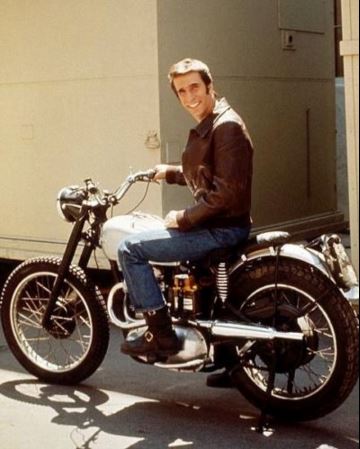
Among the many legendary cycles, Fonzie’s 1949 Triumph is perhaps one of the most celebrated. Made famous through the character played by Henry Winkler in “Happy Days,” the 1949 bike penetrated the fabric of pop culture, embodying the essence of coolness and rebellion. This motorcycle symbolizes the youth culture of the 1950s and 60s, where bikers were not just riders but icons of independence. Fonzie didn’t merely ride the bike; he infused it with mythos, making fans associate the Triumph with an era characterized by unyielding spirit and adventure.
The Thrill of Auctioning Classic Triumphs
Auctions are thrilling venues for collectors, often brimming with opportunities to acquire iconic items steeped in history. Classic Triumphs exemplify a tangible connection to the past, granting collectors not just a bike, but a piece of heritage. Each motorcycle at auction carries with it a unique story, often unfolding narratives of previous ownership, maintenance, and restoration. The thrill of bidding not only evokes excitement but also sparks conversations about provenance, rarity, and value—essential elements in the collector’s realm.
Unveiling More Hidden Gems
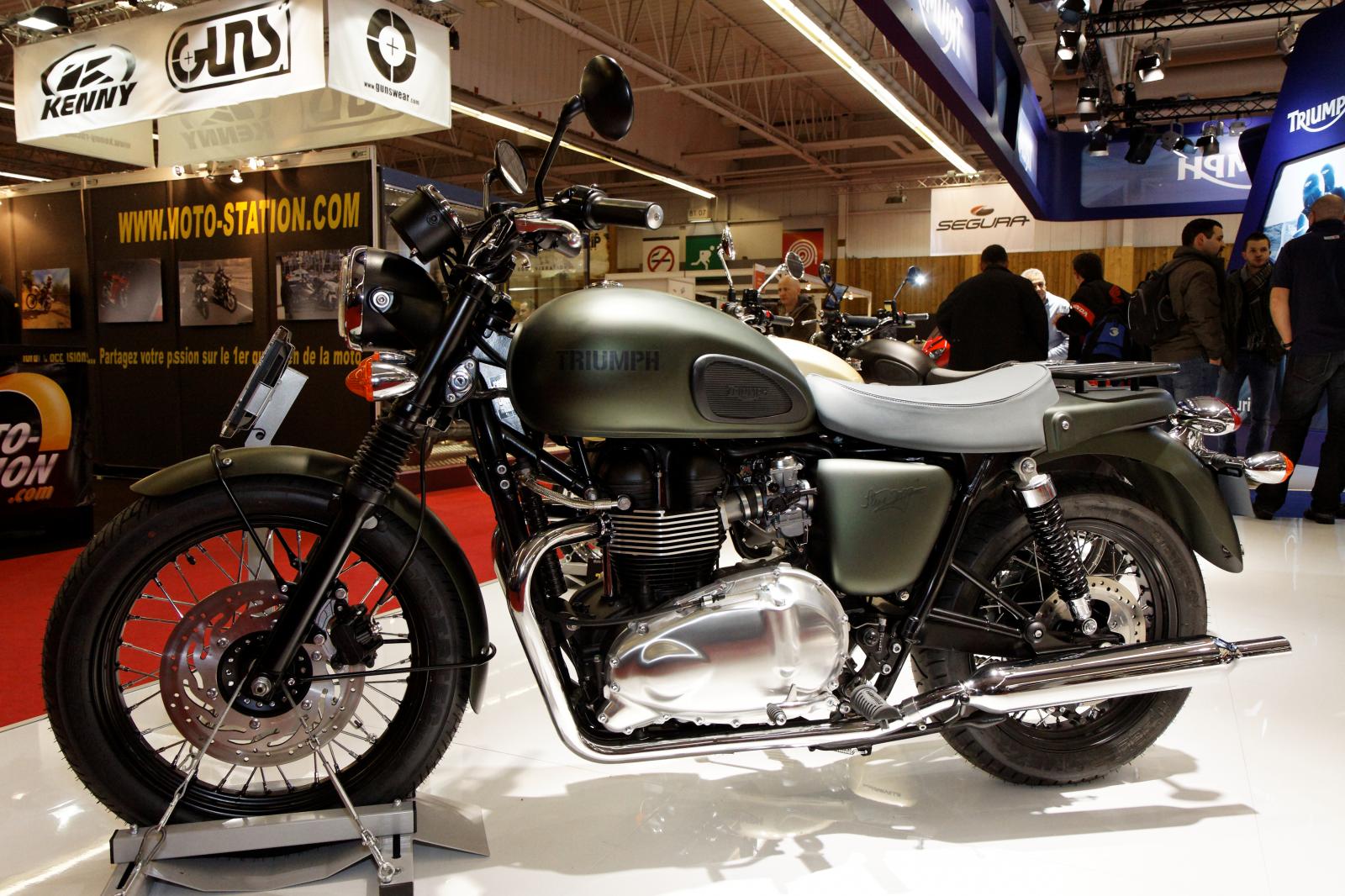
While Fonzie’s Triumph garners significant attention, several other classic Triumph models captivate collectors. The 1959 Triumph Bonneville T120, for instance, holds a legendary status with its powerful engine and sleek design. Celebrated for its victory in motorsport and its popularity in the custom bike sector, the Bonneville is often deemed the archetype of the café racer genre. Another hidden gem is the 1968 Triumph TR6, revered for its striking aesthetics and reliable performance. The TR6’s timeless appeal often prompts bidders at auctions to eagerly seek ownership, hoping to embody the spirit of a bygone motorcycling era.
Why Vintage Motorcycles Captivate Collectors
The allure of classic Triumphs and vintage motorcycles extends beyond mere aesthetics or performance. Collectors often find themselves drawn into a world that fosters nostalgia and camaraderie. This intrinsic fascination unveils deeper emotional connections; it’s about embracing not just the physical ride but a lifestyle—a fleeting moment suspended in time where craftsmanship and passion converge.
Moreover, motorcycles like the 1949 Triumph serve as cultural artifacts, speaking to societal changes and historical narratives. They encapsulate the dreams and ideals of generations, often intertwined with music, movies, and movements. On a more philosophical level, they connect individuals across different ages—an understanding forged through shared admiration for an iconic vehicle that embodies freedom.
The Role of Restoration in the Auction Scene
Restoration plays a pivotal role in the classic motorcycle auction landscape. Enthusiasts and collectors often go to great lengths to restore these machines to their former glory, a labor of love that demands a deep understanding of the motorcycle’s mechanics and history. Such endeavors not only enhance the value of these bikes but also preserve the stories they carry. Experts meticulously scour for original parts while ensuring authenticity, aligning with the desire for vintage aesthetics blended with modern reliability.
In the auction arena, well-restored Triumphs command attention, often fetching prices that reflect their condition and the reputation of their restorer. Bidders are not merely purchasing contracts; they are investing in the preservation of a culture that reverberates through time.
The Community of Classic Motorcycle Collectors
Beyond the transactions, classic motorcycle auctions foster a unique community. Passionate individuals gather to share knowledge, partake in spirited discussions, and relive memories of their own riding experiences. This camaraderie further enhances the appeal of the classic motorcycle world, with meet-ups, conventions, and club rides breathing life into collections. Through these gatherings, enthusiasts forge friendships spanning decades, united by a shared reverence for historical machines.
Conclusion: Bridging Past and Present
The fascination with classic Triumph bikes, epitomized by Fonzie’s 1949 machine, reflects a wider cultural appreciation for nostalgia, craftsmanship, and the enchanting stories woven into these steel steeds. As collectors enthusiastically bid at auctions, they honor not just motorcycles as vehicles but as enduring legacies proudly linking past passions to present pursuits. These coveted finds are not just objects; they are vehicles of history that propel us forward while rooted deeply in time, ensuring their place in the ongoing narrative of motorcycling culture.