In the realm of high-performance vehicles, supercars reign supreme with their astonishing speed, exotic designs, and a sense of luxury that seduces even the most discerning automotive aficionados. However, a noticeable trend has emerged in recent years: many drivers, once entrenched in the world of supercars, are making the exhilarating transition to motorcycles. This shift raises pivotal questions: What compels these individuals to trade in their sleek machines for nimble bikes? As we delve into this phenomenon, we will uncover the multifaceted motivations behind this fascinating switch—from the visceral thrill of riding to the allure of community and freedom.
1. The Thrill of the Ride: Unmatched Sensation of Speed
When it comes to sheer exhilaration, motorcycles deliver a sensory experience that is nearly unparalleled. The wind rushing past at high velocity, the rumble of the engine beneath one’s legs, and the feeling of being more connected to the road highlights a visceral edge that supercars simply cannot replicate. While supercars boast incredible acceleration and precision engineering, the immediacy of a motorcycle’s responsiveness creates an intoxicating adrenaline rush. Riders often report a heightened sense of awareness and engagement with their surroundings, transforming the act of riding into a dynamic dance with the elements.
2. Enhanced Agility and Maneuverability
Supercars, despite their power and speed, can often feel cumbersome, particularly in urban contexts or winding roads. Motorcycles, on the other hand, embody agility. Their compactness allows riders to weave through traffic, navigate tightly packed streets, and embrace the curves of a winding mountain pass with unmatched finesse. The ease with which a motorcyclist can maneuver also bestows a sense of control that is often eclipsed by the sheer size of supercars. This versatility draws many drivers to the bike, enhancing the overall joy of the journey.
3. Economic Considerations: Fuel Efficiency and Maintenance Costs
Economic factors play a pivotal role in the decision to switch from four wheels to two. With rising fuel prices and a growing emphasis on sustainable practices, motorcycles often stand out as a more economical alternative. Many bikes offer superior fuel efficiency compared to their supercar counterparts, allowing riders to travel farther on a single tank. Additionally, maintenance costs for motorcycles can be considerably lower, particularly when considering the exorbitant expenses associated with high-end supercars. The financial benefit, coupled with the thrill of riding, makes the switch even more appealing.
4. The Spirit of Freedom and Adventure
Motorcycling has long been synonymous with liberation; the open road beckons, promising a sense of freedom that is difficult to encapsulate. Riders often revel in the simplicity and minimalism that motorcycles represent. There’s a unique pleasure derived from the ability to hit the open road with little more than a helmet and a set of gear. This ethos of adventure is profoundly appealing, drawing individuals from behind the confines of luxury vehicles into the realm of authentic exploration.
5. A Sense of Community: Brotherhood and Sisterhood
Transitioning to motorcycles often introduces riders to a vibrant and welcoming community. The camaraderie among motorcyclists is palpable, characterized by mutual respect and shared passion for the open road. Social events, group rides, and motorcycle rallies create opportunities for connections that are frequently deeper than those found in supercar culture. The act of riding together fosters a sense of belonging, as participants become part of a tribe that embraces freedom, individuality, and adventure—all underpinned by a shared love of motorcycles.
6. The Aesthetic Appeal: A Different Kind of Design
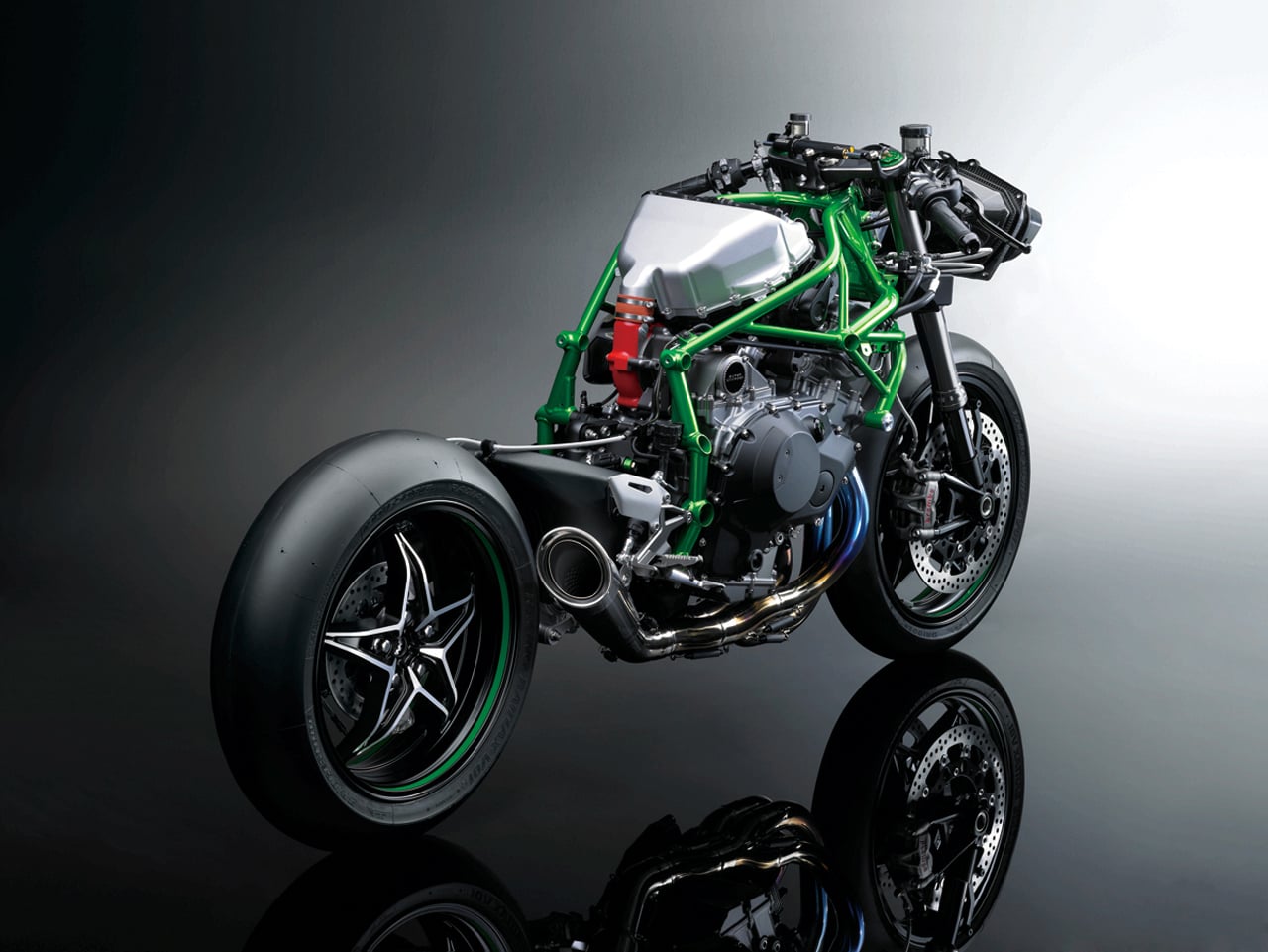
While supercars are often lauded for their breathtaking aesthetic designs, motorcycles possess an elegance and raw beauty all their own. The minimalist, mechanical artistry of a bike can compel enthusiasts in ways that the sleek curves of supercars might not. The customization options available in the motorcycle world allow riders to express their unique personalities through their machines, from vibrant decals to bespoke modifications. This unique aesthetic plays into the allure, enabling riders to forge a profound connection with their bikes.
7. A Shift in Lifestyle: Embracing Minimalism
For many, the transition from supercars to motorcycles represents a broader lifestyle shift—embracing minimalism and simplicity over extravagance. This change often reflects an evolving set of values that prioritizes experiences over material possessions. The lifestyle of a motorcyclist is often intimately linked to the adventure of the open road, fostering a feeling of connection to both the journey and the world around them. By shedding the excess and focusing on the essentials, riders often find deeper satisfaction.
8. The Challenge and Skill: An Engaging Learning Experience
The art of motorcycling requires nuance and skill, offering riders an engaging learning curve that can be incredibly fulfilling. The mechanics of control, balance, and finesse are paramount when riding a motorcycle, creating an ongoing challenge that keeps enthusiasts engaged. This pursuit of mastery can be an enticing prospect for those used to the straightforward operation of supercars. A motorcycle rider constantly hones their skills, making every ride a potential opportunity for growth.
In conclusion, the transition from supercars to motorcycles encapsulates a rich tapestry of motivations that go beyond mere appearances. The allure of freedom, community, and the unparalleled thrill of the ride beckon drivers into the world of two wheels. By embracing this shift, they not only change vehicles but also embark on a profound journey toward liberation, adventure, and personal fulfillment.