Life is often fraught with uncertainties, and the thrill of amusement park rides showcases this perfectly. While exhilarating adventures pump adrenaline through our veins, they also serve as vivid reminders of the inherent risks involved in seeking thrills. “When Rides Go Wrong: Accepting Risk and Riding On Anyway” delves into the multifaceted nature of not just amusement rides but the broader implications of risk in leisure activities. In this exploration, we scrutinize various incidents, the psychology underpinning thrill-seeking, and the balance between caution and enjoyment.
The Allure of Thrill Rides
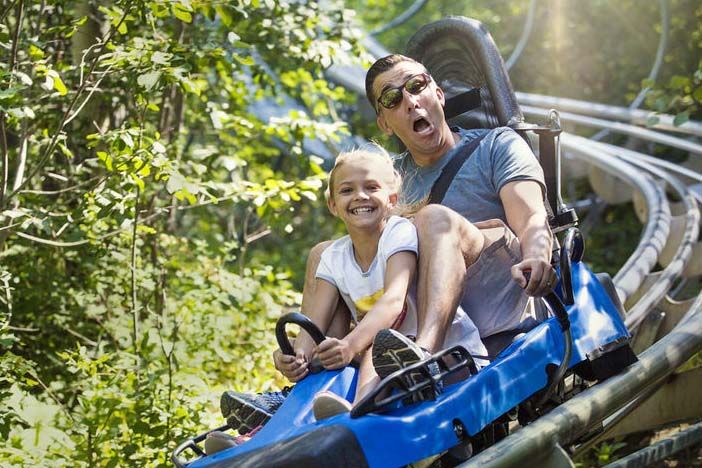
Amusement parks, with their kaleidoscopic lights and cacophony of laughter, beckon thrill-seekers with enticing rides that promise exhilaration beyond the mundane. From roller coasters that ache with mechanical clatter to dizzying spinning rides that defy gravity, the electric atmosphere entices individuals to confront their fears. But what draws people to these adventures? The answer lies in an enticing cocktail of adrenaline, escapism, and an innate desire to confront the unknown. As patrons buckle in, they forge an unspoken contract—not just with fate but with their own sense of daring.
Understanding the Risks
The specter of risk looms large over experiences that extract both joy and trepidation. In 2018, an accident on a renowned roller coaster sent shockwaves through the community, stirring discussions about safety protocols and the dependability of mechanical engineering. Unfortunately, incidents such as these remind us that the thrill is often underscored by unpredictability. Whether it’s mechanical failure, human error, or unforeseen variables such as weather conditions, these factors highlight the reality that enjoyment can teeter on the brink of peril.
Yet, amidst these harrowing tales, it is essential to adopt a perspective that acknowledges risks while also celebrating the enduring spirit of adventure. Skilled engineers and ride operators invest extensive resources to ensure safety standards are met. The irony lies in the fact that even meticulously engineered rides can harbor dangers, challenging riders to reconcile their thrill-seeking impulses with the acknowledgment of risk.
Case Studies of Rides Gone Awry
Examining specific incidents can provide illuminating insights into how unpredictability intertwines with amusement rides. In 2016, a malfunctioning seat belt during a popular ride led to a shocking mishap that resulted in injuries to several patrons. The aftermath unveiled a flurry of investigations examining not just the technical shortcomings but the crucial protocols that either failed or were overridden in the name of understaffing or timing. Such cases amplify the importance of vigilance, not only from ride operators but also from riders who often embrace blind faith in the very systems designed to protect them.
Another notable incident occurred in 2008 when a shuttle loop roller coaster experienced a mid-ride halt due to a technical malfunction. Passengers were left suspended upside down for what felt like an eternity, their exhilaration morphing into a collective anxiety. The psychological toll of such an experience underscores the duality of thrill—while one seeks to ascend the heights of enjoyment, the potential for dread lurks nearby.
The Psychology of Risk Acceptance
The human experience is intrinsically defined by the dichotomy of risk and reward. Psychological studies elucidate the phenomenon of risk acceptance as an essential component of the thrill-seeking psyche. Neurologically, the brain rewards the individual with dopamine for the rush that accompanies risk-taking. This intrinsic reward reinforces thrill-seekers’ desire to embark on adventures, even when unforeseen dangers loom. Understanding this dichotomy provides a richer tapestry to comprehend why, despite some harrowing experiences, people continue to flock to amusement parks and seek rides that push the boundaries of safety.
Finding Balance: Encouraging Safe Practices
While the thrill of rides may entice many, acceptance of risk does not necessitate oblivion to safety. The path to balance invites patrons to engage in informed decision-making before embarking on any adventure. Consumers should remain vigilant—reading the ride safety advisories, observing operational protocols, and being mindful of their own health and limitations. This synergy between enjoyment and safety fortifies the amusement experience, allowing for the highest thrill without eluding safety measures.
Community and Communication
Open dialogue regarding experiences and concerns can further illuminate the subject of risk acceptance in rides. Supportive communities on social media can spark discussions and provide platforms for sharing personal stories about rides that didn’t go as planned. Such narratives, when shared, can serve as cautionary tales while enabling riders to reflect on their decisions and experiences. Perhaps more importantly, it encourages empathy among riders—reminding us that each adventure carries with it a shared experience of trust and vulnerability.
Conclusion: Riding On Anyway
The intricate dance between thrill and danger is an abiding element of life—and nowhere is that more evident than in the world of amusement parks. Encounters with risk, from mechanical mishaps to personal limits, highlight the multitude of elements that intertwine in the tapestry of spontaneous enjoyment. Yet, even when rides go wrong, the indelible spirit of adventure prevails, beckoning us to ride on with a cautious heart and an open mind. For some, the risks associated with thrill rides may never overshadow the joy they bring—after all, every crest and trough of a ride is a lesson in the delicate balance of life itself.