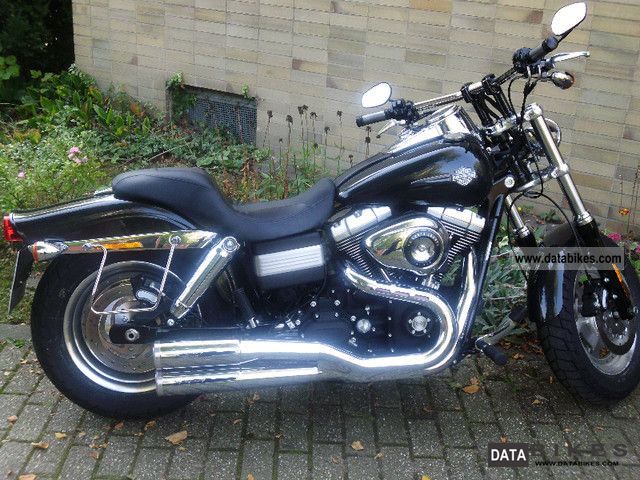
The year 2009 represented a pivotal moment for Harley-Davidson, a company synonymous with American motorcycling heritage. The lineup introduced that year showcased a blend of tradition and innovation, capturing the essence of the brand while catering to a broad spectrum of riders. Among the most iconic offerings were the Sportster Fat Bob and the V-Rod, two models that embodied Harley’s dual commitment to muscle-bound cruiser aesthetics and modern performance engineering. This detailed exploration delves into the entire 2009 Harley lineup, with special emphasis on these two standout motorcycles, unpacking their design philosophy, technical specifications, and the unique riding experiences they provide.
At the crux of Harley-Davidson’s 2009 roster lies an intricate matrix of models that address varied preferences, from the purist cruiser aficionados to riders seeking contemporary power and agility. The Fat Bob, from the venerable Sportster family, and the technologically advanced V-Rod, illustrate these two divergent yet complementary directions. Both motorcycles not only underscore Harley’s craftsmanship but also reveal the brand’s responsiveness to evolving rider demands.
The 2009 Harley-Davidson Sportster Fat Bob is an audacious reinvention within the Sportster lineage. With its aggressive stance, bulbous fat rear tire, and distinctive rear turn signals integrated into the triangular dual exhaust pipes, the Fat Bob eschews subtlety in favor of raw presence. Its muscular design is underscored by a blacked-out finish combined with sharp chrome accents, echoing the rebellious spirit that the Sportster range has championed since the late 1950s. The bike’s ergonomics offer a slightly forward-leaning posture, balancing comfort and control, making it an excellent ride for urban jaunts as well as longer weekend cruises.
Beneath the Fat Bob’s robust exterior lies the reliable Evolution V-Twin engine, delivering approximately 70 horsepower. This air-cooled, 1,200cc unit carries the heritage of Harley’s classic powertrains yet is tuned to emphasize a broad torque curve that is accessible at virtually any RPM. The transmission, a five-speed constant mesh gearbox, complements the engine’s character by offering crisp and responsive shifts. The chassis blends traditional steel tubing with a beefy suspension setup, featuring Showa inverted front forks that enhance road handling and absorb imperfections with resilience. This integration of classic and contemporary elements ensures the Fat Bob is both a bold, head-turning steed and a charismatic, capable performer.
In contrast, the 2009 V-Rod represents a more futuristic chapter in Harley-Davidson’s saga. Born from a collaboration that sought to inject liquid cooling and advanced engineering into Harley’s portfolio, the V-Rod is powered by a revolutionary 1,247cc Revolution engine co-developed with Porsche Engineering. This liquid-cooled, DOHC V-Twin produces approximately 115 horsepower, a striking figure that challenges traditional Harley norms while delivering smooth and sustained power output. The V-Rod’s design language is aerodynamic and sleek, diverging markedly from the fat and rugged cruiser archetype.
The bike’s chassis incorporates a hydroformed frame made from tubular steel and aluminum, reducing weight and improving rigidity. Coupled with inverted front forks and a rear monoshock suspension, the V-Rod excels in cornering dynamics—a fact that easily entices sportbike riders while retaining Harley’s unmistakable rumble and character. The forward foot controls and stretched seating position foster a riding posture that is assertive, yet comfortable, marrying sporty intent with cruiser ease. For riders seeking a seamless blend of muscle and maneuverability, the V-Rod stands as a compelling testament to Harley’s willingness to innovate.
Beyond the Fat Bob and V-Rod, the 2009 lineup included a broad array of models spanning traditional big twins, touring machines, and softail frames. Each segment offered unique characteristics tailored to different lifestyles. The Touring family—comprising the Electra Glide, Road King, and Street Glide models—focused on long-distance comfort, boasting expansive fairings, plush seats, and advanced audio systems. These machines were equipped with twin-cam 96B engines, delivering smooth and torque-rich rides that could comfortably swallow highway miles while accommodating a passenger and copious cargo.
The Softail collection, with models like the Night Train and Deuce, provided an amalgamation of classic style with modern suspension technology beneath the deceptively rigid frames. These motorcycles emphasized style and attitude, featuring deep black paint, minimalist chrome trim, and timeless lines that harken back to Harley’s golden era. Their engines delivered that unmistakable Harley rumble and torque, enhanced by modern calibration for emission compliance and drivability.
Meanwhile, the Dyna series offered a more versatile package with wide handlebars, a stiffer suspension setup, and Twin Cam 88 engines. Dyna models like the Super Glide and Wide Glide bridged the gap between cruiser comfort and sporty handling, making them well-suited for riders who wanted responsive road manners without sacrificing Harley’s laid-back cruiser ethos.
For riders looking for nimbleness and accessibility, the 883cc Sportster models, including the Nightster and SuperLow, rounded out the lineup. These motorcycles were celebrated for their lighter weight, ease of handling, and approachable power output, making them excellent entry points into the Harley ownership experience without compromising style or soul.
Examining the overall 2009 Harley lineup reveals a meticulously curated spectrum that balances heritage and innovation. The Fat Bob exuded a visceral, muscular attitude, appealing to those who value bold aesthetics and reliable, no-nonsense power delivery. It stood out not merely as a variant within the Sportster family but as a statement of intent: a motorcycle that embodies raw American muscle with a modern edge.
Conversely, the V-Rod signified Harley-Davidson’s embrace of future technologies and performance-oriented design without severing ties with its wind-tunnel-tested roots. Its liquid-cooled engine and aerodynamic silhouette demonstrated a balanced push toward modernity, attracting riders who demanded more from their cruisers—a harmonious blend of speed, agility, and style.
Collectively, these motorcycles illustrate Harley’s multifaceted approach to attracting a diverse rider base in 2009. From the bold, aggressive Fat Bob to the refined, technically advanced V-Rod, the lineup delivered offerings that resonated with the deeply ingrained cultural identity of motorcycling while adapting to shifting consumer desires.
Ultimately, the 2009 Harley-Davidson lineup was not just about raw specifications or styling alone. It was about crafting a compelling narrative for riders—one that offered discovery, passion, and a tangible connection to the road. Whether opting for the unenviable grit and attitude of the Fat Bob or the cutting-edge cool of the V-Rod, enthusiasts found motorcycles that didn’t just move them physically but stirred their very souls. This balance of legacy and innovation continues to define Harley-Davidson’s allure, securing its place not only in history but in the hearts of riders worldwide.