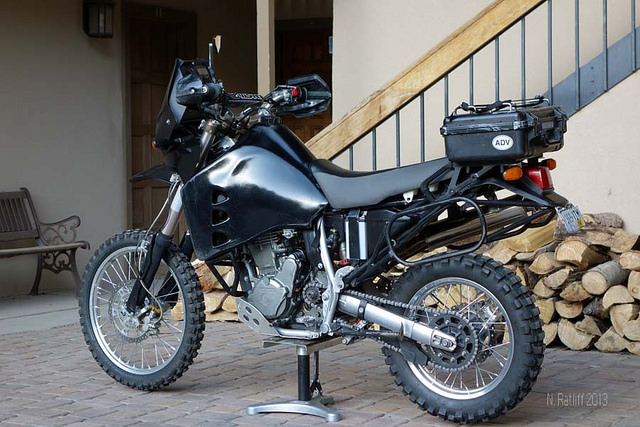
When one speaks of enduring adventure motorcycles, the 2006 Kawasaki KLR650 invariably emerges from the conversation with a reputation that transcends its physical presence. This bike evokes an almost reverential nod among riders and enthusiasts alike—an emblem of steadfastness, versatility, and unyielding reliability. But what is it about the 2006 iteration of the KLR650 that continues to captivate, even decades after its release? To understand its allure, one must delve beyond its utilitarian facade and explore the nuanced symphony of engineering, design philosophy, and cultural symbolism embedded within.
At first glance, the 2006 Kawasaki KLR650 seems to defy the modern motorcycle aesthetic. It is neither sleek nor indulgently sophisticated, and its somewhat ungainly stance may cause casual observers to underestimate its capabilities. Yet, beneath that rugged exterior lies a machine meticulously crafted for the relentless pursuit of exploration, be it urban jungles or untamed backcountry trails. The KLR650’s seemingly plain design is in fact its greatest strength—a durable workhorse built to withstand the unpredictable demands of adventure riding.
Fundamentally, the heart of the 2006 KLR650 is its venerable 651cc, single-cylinder, four-stroke engine, characterized by an air-cooled, carbureted system that relies on simplicity over modern complexity. This engine’s persistent performance is legendary, capable of powering through thousands of miles with minimal mechanical fuss. The choice of a single-cylinder powerplant, often disparaged in an era obsessed with multi-cylinder outputs and tech-laden electronics, reveals Kawasaki’s commitment to reliability and ease of maintenance. Few machines in this category offer such a compelling balance—a power source that is both manageable for novices and satisfying for seasoned riders.
Suspension and chassis design reflect a philosophy that prioritizes adaptability. The long-travel front and rear suspension absorb the impact of rough terrain, allowing riders to confidently tackle dirt paths, gravel roads, and uneven surfaces with poise. The steel frame, robust yet not overly heavy, lends structural integrity without sacrificing maneuverability, a crucial element when negotiating trickier trails. Tire options, braking components, and overall ergonomics remain calculated and purposeful, offering a platform that invites customization or upgrades without compromising the bike’s core essence.
The 2006 model year introduced notable enhancements that reinforced its status as an evergreen adventurer. Improvements such as a revamped seat for increased rider comfort and a strengthened frame addressed historical critiques, further widening the bike’s appeal to those who seek extended journeys. Its generous fuel capacity, typically around 6.1 gallons, extends cruising range, effectively minimizing pit stops and promoting true long-distance travel. Such specifications serve as tacit affirmations of the machine’s raison d’être—endurance and freedom from logistical constraints.
More than the sum of its mechanical parts, the KLR650 embodies a cultural phenomenon within the dual-sport and adventure riding communities. The bike’s reputation as an indomitable companion creates a tacit trust between rider and machine, fostering a relationship that appeals to the romantic horizon-chaser within. There is a profound psychological comfort in knowing one is astride a bike that has been tested and proven across continents and climatic extremes. This shared history between rider and KLR cultivates a collective mythos, fostering passionate forums, travel blogs, and restoration projects all dedicated to maintaining and celebrating the enduring legacy of this singular motorcycle.
Of course, the 2006 KLR650 is not without its idiosyncrasies. Its carbureted engine demands certain attentiveness in altitude changes and fuel adjustments. The spartan electrical system lacks many of the conveniences found in modern adventure bikes. However, these aspects further contribute to its charm. Purists often regard these traits as badges of authenticity—evidence that the KLR650 is a motorcycle designed to be understood, ridden, and maintained by the hands of its owner rather than subordinate to electronically governed control systems.
Moreover, the KLR650’s capacity for self-reliance equates to less dependence on infrastructure, an enticing quality for those yearning to escape the confines of civilization. For the intrepid motorcyclist, the 2006 KLR650 becomes a passport to discover remote landscapes seldom charted by mainstream tourism. Its capability to carry luggage, withstand inclement weather, and endure prolonged rides with minimal breakdowns cements its reputation as the quintessential adventure bike that “won’t quit.”
In an epoch increasingly dominated by slick, high-tech motorcycles replete with complex electronics and ever-escalating prices, the 2006 Kawasaki KLR650 stands as a resolute counterpoint. It reminds riders that durability, simplicity, and versatility can coexist with a sense of adventure. Its persistent presence on roads and trails worldwide is a testament not merely to sound engineering but also to the intangible qualities that define a great machine: trustworthiness, adaptability, and a sense of shared purpose between rider and tool.
Ultimately, the fascination with the 2006 Kawasaki KLR650 transcends specific technical attributes, delving deep into the psychology of adventure itself. It taps into a fundamental human yearning for freedom—a yearning to traverse unknown paths with certainty and resolve. The KLR650 answers this call with a reassuring nod, a dependable companion that invites you to mount, start, and ride onward, wherever the road or trail may lead.