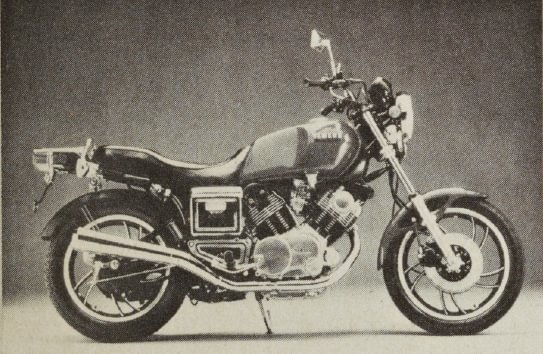
The 1980s represent a pivotal era in the evolution of dirt bikes, especially when considering the indelible mark left by two titans of motorcycling: Honda and Yamaha. These manufacturers did not merely build machines; they crafted legends epitomizing simplicity, ruggedness, and relentless performance. This article delves into the defining characteristics of 1980 Honda and Yamaha dirt bikes, elucidating their mechanical virtues, cultural impact, and enduring appeal that continue to capture the imagination of enthusiasts decades later.
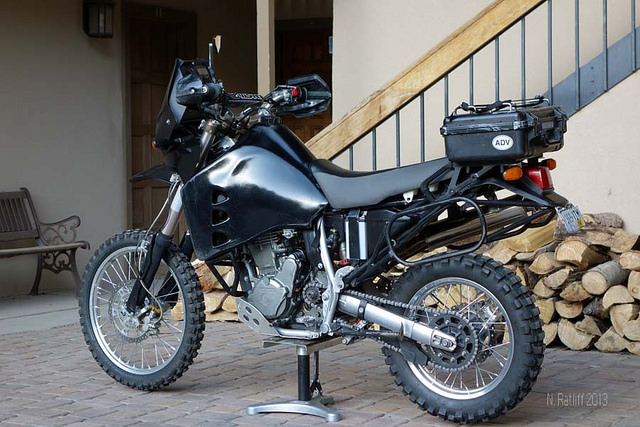
The ethos behind 1980 Honda and Yamaha dirt bikes was grounded in robust engineering tailored for versatility across diverse terrains. Unlike the complex and often delicate modern installments, these machines showcased an archetype of mechanical straightforwardness. This made them eminently reliable even under the harshest conditions, and fundamentally easy to maintain for riders who often found themselves far from specialist service stations.
At the core of Honda’s 1980 dirt bike lineup was a philosophy that balanced innovation with accessibility. Models like the Honda CR series embodied this approach. The single-cylinder, air-cooled two-stroke engines were engineered for durability and responsive power delivery. The chassis designs were deliberate in their geometry, ensuring both stability at high speeds and agility over technical off-road obstacles. The suspension systems featured long-travel forks and dual rear shocks, which, though rudimentary by today’s standards, delivered a supple ride that absorbed the quintessential unpredictability of trail, mud, and rock.
Yamaha, meanwhile, was equally formidable during this era, with their YZ series becoming synonymous with uncompromising performance. Yamaha’s dirt bikes stood out because of their pioneering suspension innovation and engine reliability. The use of monoshock rear suspension, especially on models like the Yamaha YZ250, was revolutionary. It offered superior damping characteristics and improved handling dynamics, which was a game-changer in the motocross and trail riding communities. The Yamaha two-stroke engines were equally lauded for their consistent torque and relatively simple maintenance requirements, a combination that won them legions of loyal riders.
Both manufacturers understood that the dirt bike user base was multifaceted, ranging from weekend trail riders and competitive motocross racers to young enthusiasts entering the sport. This led to a range of models varying in displacement, weight, and tuning – allowing riders to select machines tailored precisely to their skill level and intended use. For example, the smaller 80cc and 100cc variants provided accessible power for beginners, while the 250cc and beyond catered to advanced riders seeking explosive acceleration and superior speed on demanding courses.
The simplicity of design did not mean a compromise on performance. On the contrary, the elegant engineering of these machines underscored a philosophy of “less is more.” Components were purpose-built, minimizing unnecessary complexity which, in turn, reduced both weight and failure points. This minimalist approach was especially crucial in an era when dirt bike competitions were unrelenting tests of machine and rider endurance. The principles of reliability, easily sourced parts, and straightforward mechanics were ingrained in every aspect of these machines.
Maintenance culture around 1980 Honda and Yamaha dirt bikes was a inextricable part of the ownership experience. Riders were not merely consumers but active participants in the care and tuning of their motorcycles. The simplicity of the air-cooled, two-stroke engines meant that a basic toolkit and a bit of mechanical knowledge could allow riders to perform essential repairs and adjustments on the trail itself. This fostered a deeper bond between man and machine, enhancing the spiritual connection that is often understated in modern motorcycling narratives.
Technologically, these bikes laid the groundwork for many advancements that would flourish in later decades. The shift from dual shocks to sophisticated monoshock systems can be traced to Yamaha’s early adoption and refinement during this timeframe. Similarly, Honda’s continual refinement of engine components and chassis design during the early 1980s set new standards for reliability and user-friendliness. These evolutionary strides underscore the significance of the 1980 lineup within the broader motocross and off-road motorcycling historiography.
Culture and community remain vital facets in understanding the enduring legacy of these dirt bikes. In 1980, off-road motorcycling was experiencing exponential growth, with grassroots events, local races, and informal trail riding becoming widespread. Honda and Yamaha’s offerings were instrumental in democratizing access to the sport, ensuring that high-quality performance dirt bikes were not just the purview of affluent racers but accessible to a broad demographic. This inclusivity contributed heavily to the explosion of motocross clubs and off-road riding groups, many of which continue to thrive today.
Collecting, restoration, and vintage racing of these bikes is a niche but vibrant culture in itself. The rugged simplicity lends itself beautifully to restoration projects, where purists seek to preserve the authenticity of the 1980 models. Engaging with these machines today offers a tactile experience of motorcycling heritage, allowing riders and collectors to appreciate the mechanical ingenuity and raw emotion inherent in their design. The scarcity of certain models and the demand for genuine parts have further ennobled these motorcycles as prized possessions among connoisseurs.
In terms of riding experience, these bikes were characterized by an unfiltered, visceral connection to the terrain. The lack of electronic aids and the direct mechanical feedback demanded skill and attentiveness from the rider. Mastery of clutch control, throttle modulation, and chassis weighting were essential competencies. This unmediated challenge is part of the allure; riders were rewarded with an intimate communion with the land, a sensation that many modern, computer-assisted motorcycles inadvertently dilute.
In conclusion, the 1980 Honda and Yamaha dirt bikes encapsulate an epoch where simplicity equated to strength, toughness was a design mandate, and unstoppable performance was an expectation. Their legacy is felt not only through the machines themselves but also through the communities they galvanized and the technological trajectories they influenced. For enthusiasts, historians, and riders alike, these dirt bikes offer a profound narrative of ingenuity, resilience, and passion that continues to inspire the contemporary off-road motorcycling landscape.