Choosing the right motorcycle tire is an intricate ballet that balances performance, safety, and personal style. The rubber that grips the ground beneath you is not merely a functional component; it is an integral part of your riding experience. With myriad options available on the market, understanding how to select the best tire for your motorcycle can feel overwhelming. This guide promises to transform your perspective on motorcycle tires, leading you to a confident choice for your ride.
1. Understanding Tire Types
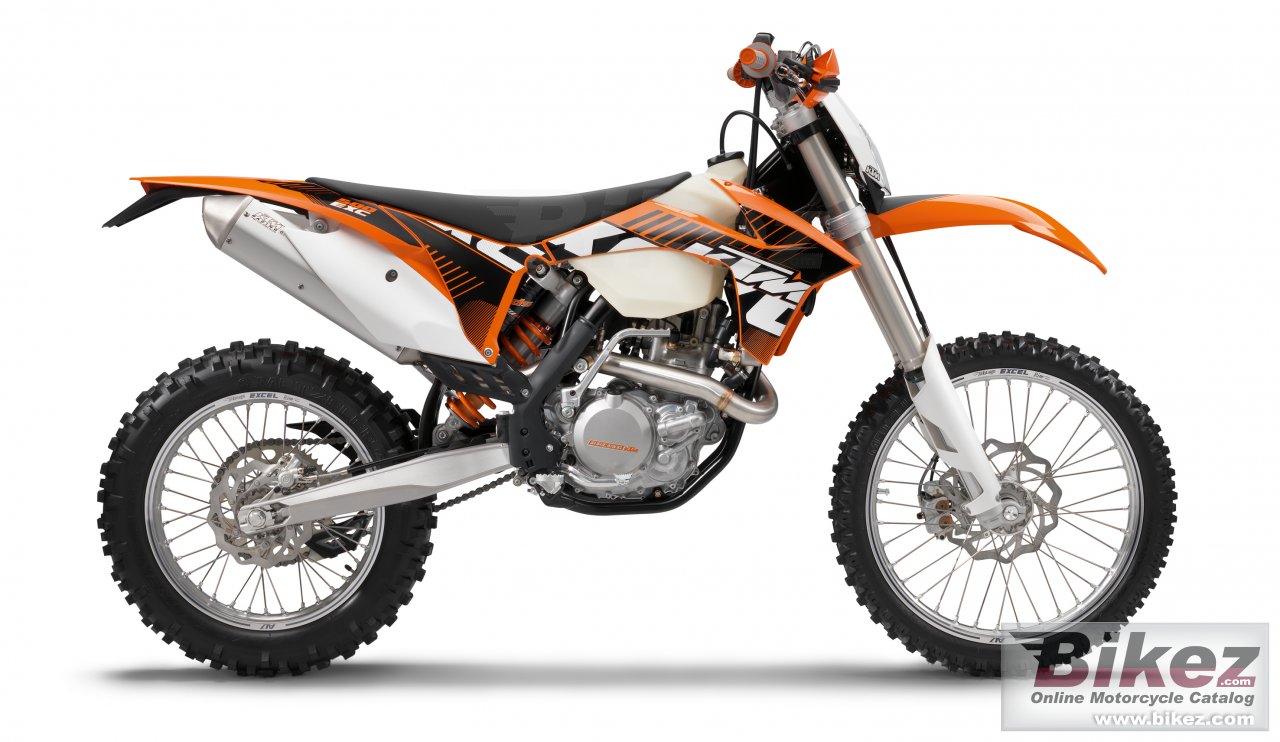
The first step in selecting the perfect rubber is recognizing the various types available. Motorcycle tires are broadly categorized into street, off-road, dual-sport, and racing tires. Each type is designed with distinct characteristics tailored to specific riding environments. For instance, street tires are optimized for grip on pavement, enhancing stability and longevity during urban commutes. Conversely, off-road tires have deeply grooved treads that provide traction on loose surfaces like dirt and gravel. Dual-sport tires attempt to bridge the gap, making them versatile for both on and off-road excursions. Meanwhile, racing tires are engineered for maximum performance and grip, often sacrificing longevity for sheer speed.
2. Decoding Tire Specifications
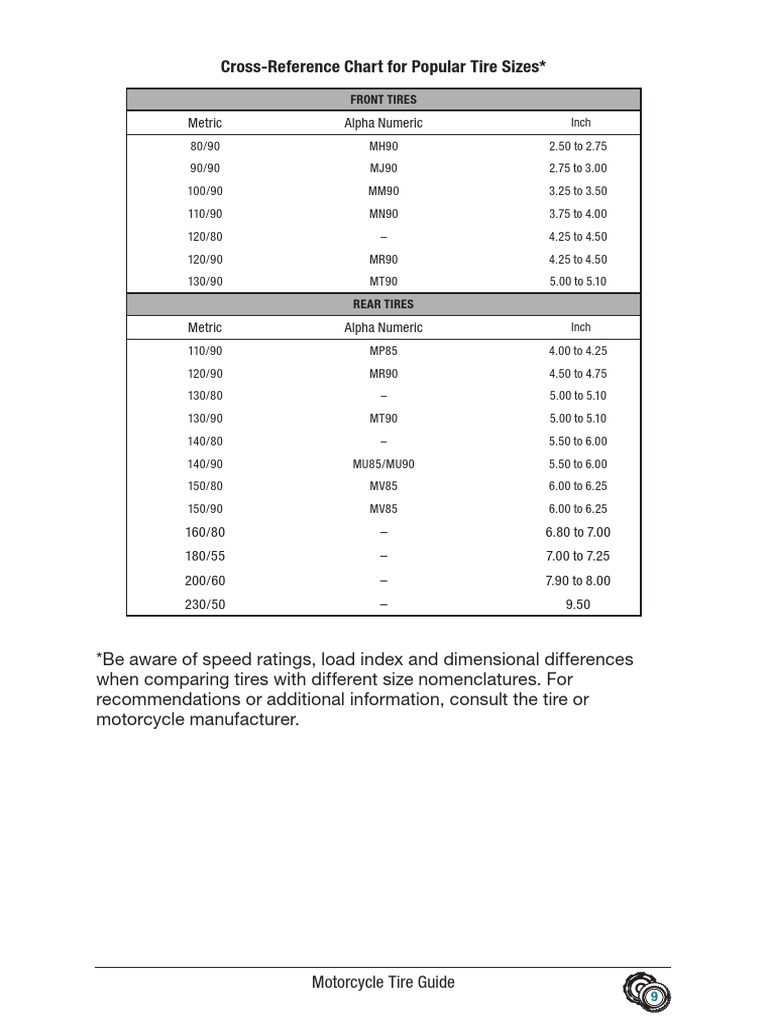
A tire’s specifications can seem like a labyrinth of numbers and letters. The dimensions, typically displayed as a series of numbers (e.g., 120/70ZR17), indicate the width, aspect ratio, and rim diameter. Understanding this format allows you to select tires that fit your motorcycle’s rim and meet your desired handling characteristics. The ‘120’ signifies the tire’s width in millimeters, ’70’ represents the aspect ratio (height to width), and ’17’ denotes the wheel diameter in inches. The ‘ZR’ indicates a radial construction, essential for better stability at higher speeds. Moreover, the tire’s load index and speed rating provide crucial insights into its capacity and performance under varied conditions.
3. Tread Patterns: A Direct Link to Performance
The tread pattern is the unsung hero of motorcycle tires, dictating grip, handling, and water dispersal. A tire with a smooth, slick surface is designed for racing, maximizing contact with the pavement for ultimate traction. In contrast, a heavily treaded tire is your ally for off-road adventures, deftly channeling mud and debris away from the contact patch. Look for a hybrid pattern if you venture into different terrains; this offers a compromise between the two extremes, providing adequate grip on both asphalt and unpaved paths. Furthermore, examining the depth and arrangement of grooves can give insight into how the tire might perform in inclement weather, a critical factor for safety.
4. Seasonal Considerations and Climate
Awareness of your riding environment plays an essential role in tire selection. Different seasons bring distinct weather challenges that can impact tire performance. For those who ride in colder climates, winter tires with softer rubber compounds are essential; they remain pliable at low temperatures, ensuring better grip on frozen roads. On the other hand, summer tires are designed to handle warmth, providing optimal performance and feedback during hot months. Year-round riders should consider all-weather tires, which offer balanced capabilities but may not excel in any singular aspect. Understanding these seasonal nuances will steer you towards the right rubber for your unique riding experiences.
5. The Importance of Tire Compound
The rubber compound used in a motorcycle tire significantly affects its performance, lifespan, and grip capabilities. Softer compounds often provide superior traction but tend to wear down more quickly, making them ideal for sport and racing applications. In contrast, harder compounds last longer but may sacrifice some grip. Manufacturers often blend different compounds in a single tire, offering a balance that caters to both durability and performance. Assessing your riding style—be it aggressive cornering or leisurely cruising—will aid in determining the most suitable compound for your tire needs.
6. Longevity vs. Performance
A fickle issue among riders is the compromise between tire longevity and performance. Performance tires may offer exhilarating grip and responsiveness but often come at the expense of durability. Conversely, touring tires boast exceptional mileage but could leave you desiring more during spirited weekends. The key lies in striking a balance that aligns with your riding habits. Regularly inspect your tires for wear indicators, keep an eye on tire pressure, and heed the manufacturer’s recommendations regarding replacement intervals. Well-maintained tires not only enhance safety but also extend the life of your rubber.
7. Balancing Budget and Quality
Financial considerations are inevitably tied to tire procurement, yet it’s crucial to differentiate between affordability and quality. Cheap tires may lure you in at first glance, but they often lack the technologies and materials that provide safety and performance. Prioritizing a reputable brand, while being mindful of your budget, will yield a better long-term investment for your motorcycle. Remember, the tires are the only contact your bike has with the road; skimping on this critical component can lead to disastrous consequences.
In conclusion, selecting the ideal tire for your motorcycle is a multifaceted endeavor that transcends mere specifications. It encompasses understanding the types, tread patterns, environmental conditions, compounds, and a balance between performance and longevity. Armed with this knowledge, you can make an informed decision, ensuring your motorcycle provides the thrilling experience you seek while keeping safety firmly in your grip.