Riding through New York neighborhoods can present unexpected challenges, notably when navigating sand and gravel. Curious about how to ensure a smooth ride while minimizing risk? Let’s delve into the crucial skills that can help prevent low-side crashes in these tricky terrains. Here are ten vital skills to stay upright and confidently maneuver through uneven surfaces.
1. Understanding Weight Distribution
The way riders distribute their weight can dramatically affect stability. Shift your body slightly forward when transitioning onto gravel or sand. This proactive adjustment enhances grip and traction, pivotal for maintaining control. A well-balanced posture will significantly reduce the risk of losing traction and help you react swiftly to unexpected disturbances.
2. Mastering the Art of Steering Input
Applying gentle and precise steering inputs is essential when riding on loose surfaces. Overcorrection can lead to abrupt changes in trajectory, heightening the risk of a crash. The key lies in subtle adjustments; think of guiding rather than steering sharply. This technique allows for smoother navigation around obstacles, fostering a more stable ride.
3. Utilizing Throttle Control
Throttle management is a skill that every rider should cultivate. On sand or gravel, excessive acceleration can cause the rear wheel to slip, leading to a potential wipeout. To prevent this, practice gradual throttle application, allowing the bike to modulate its power effectively on these unstable surfaces. By mastering throttle control, you can bypass the uncertainty of losing traction.
4. Employing Body Positioning Techniques
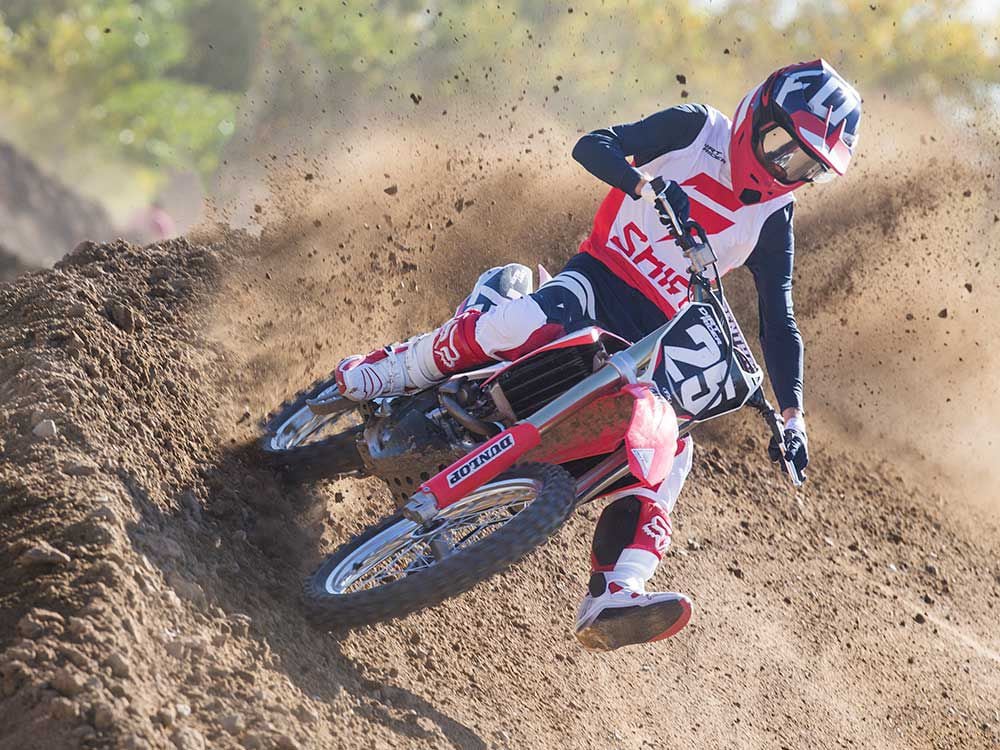
Your body’s positioning plays a pivotal role in how the bike interacts with the surface. Consider leaning your upper body inward as you navigate turns; this repositioning enhances grip and allows for better bike handling. Additionally, bending your knees and elbows acts as a damping mechanism to absorb shocks, further stabilizing your ride.
5. Observing Environmental Changes
Vigilance is paramount when riding through diverse neighborhoods. Sand and gravel can appear in various locations, often unexpectedly. Pay attention to signs of shifting ground, potential potholes, or eroded edges of surfaces. This attentiveness not only prepares you for what lies ahead but also minimizes the risk of hitting a hidden hazard that could lead to a fall.
6. Practicing Smooth Braking Techniques
On loose surfaces, abrupt braking can lead to loss of control. Instead, implement a smooth and gradual braking technique. Start by applying the rear brake gently before using the front brake. A soft touch prevents skidding and allows you to maintain a steady trajectory. The finesse required in braking can significantly alter your experience riding on sandy or gravel-laden streets.
7. Learning to Ride in a “Stand-Up” Position
Riding in a standing position can enhance your balance and stability, especially when navigating through challenging conditions. When faced with sandy or uneven gravel, lifting your body off the seat allows your legs to absorb shocks from the terrain. This position not only provides better visibility but also places your weight over the rear wheel, increasing traction and control.
8. Developing Anticipatory Skills
Anticipating changes in the terrain can prepare you for sudden shifts that may arise while riding. Analyzing the road ahead and adjusting your approach accordingly enhances responsiveness. By developing your ability to foresee the layout of roads and potential hazards, you fortify yourself against unforeseen obstacles that could lead to a low-side crash.
9. Engaging Your Core Muscles
A strong core is vital for balance and control in challenging riding environments. Engage your core throughout your ride, promoting stability and agility. This practice acts as a stabilizing force, enabling you to maintain control during abrupt movements, elevating your confidence while traversing sandy or gravel paths.
10. Seeking Professional Guidance
Taking riding classes that focus on off-road techniques can substantially enhance your skills. Not only will you learn essential methods to handle sandy and graveled surfaces, but you also gain valuable insights from experienced instructors. These classes can build your confidence and refine your technique, allowing you to tackle unexpected challenges with ease.
In conclusion, riding on sand and gravel can be a playful venture, but not without its challenges. By honing these skills, you will equip yourself to avoid low-side crashes and confidently navigate New York’s vibrant neighborhoods. The joy of riding in such diverse environments is without question a rewarding experience, ripe with exploration and adventure. As you enhance your abilities, you may find yourself conquering unexpected terrains with newfound confidence and poise.