When it comes to the realm of 125cc dirt bikes, the battle between Husqvarna and Yamaha is perennially captivating for enthusiasts and newcomers alike. These two titans in the motocross and off-road racing arenas have long been at the forefront of innovation, performance, and rider enrichment. Both the Husqvarna TC125 and the Yamaha YZ125 stand as paragons within the lightweight, high-revving class, each boasting unique attributes that cater to a variety of riding preferences. Deciphering which machine ultimately takes the crown requires diving deep into their engineering nuances, riding dynamics, technological advancements, and real-world applications.
From the outset, the essence of a 125cc dirt bike is rooted in a meticulous balance of power delivery, agility, and rider control. These bikes appeal not only to younger or less experienced riders but also to seasoned veterans seeking a lightweight weapon optimized for technical tracks or intense motocross battles. Both Husqvarna and Yamaha have crafted their 125cc offerings with distinct philosophies and a keen eye for detail, resulting in machines that are both similar yet markedly different. Exploring these distinctions reveals the breadth of technological thought embedded within each bike.
Engine and Performance
The beating heart of any dirt bike is its engine, and here the Husqvarna TC125 and Yamaha YZ125 exhibit their prowess. Both are equipped with a liquid-cooled, two-stroke 125cc single-cylinder engine engineered to deliver a thrilling blend of explosive power and manageable torque. The Husqvarna TC125 utilizes a finely tuned cylinder head coupled with sophisticated fuel injection that optimizes combustion efficiency and throttle response. This translates into a razor-sharp powerband that privileges mid-range thrust without sacrificing top-end scream. Riders often remark on the Husqvarna’s smooth yet aggressive acceleration, making it particularly adept in technical sections and tight corners.
Conversely, the Yamaha YZ125 stays true to its legacy with a peaky powerband that excites adrenaline seekers. The model thrives on a carbureted system calibrated for rapid throttle transitions, granting an unmistakable surge when opening the throttle wide. This aggressive characteristic is ideal for riders who relish instant feedback and high-rpm antics on open tracks. While the raw power output closely matches that of the Husqvarna, Yamaha’s approach brings a more visceral, engagement-focused riding experience favored by motocross purists.
Chassis and Handling
Beyond raw power, handling defines a bike’s character, and here is where nuanced engineering comes to the forefront. The TC125’s chassis incorporates a lightweight chrome-moly frame with strategic reinforcement points, yielding an excellent stiffness-to-weight ratio. Paired with high-performance suspension components featuring fully adjustable forks and a shock absorber, Husqvarna delivers a nimble yet stable ride. The setting offers confidence whether slashing through rhythm sections or navigating rugged trail obstacles. The ergonomy is crafted to accommodate a breadth of rider statures, providing a commanding yet comfortable riding posture.
The Yamaha YZ125 counters with a frame that, while similarly constructed from durable steel, places slightly more emphasis on rigidity to handle aggressive jumps and rough landings frequently encountered in motocross circuits. Its KYB suspension system is renowned for its plush yet responsive action, with easily tunable adjustments to tailor damping to rider preference and terrain variability. This chassis-suspension combo integrates perfectly with the bike’s power delivery, creating a cohesive machine that encourages an assertive, full-throttle riding style.
Technology and Rider Assistance
While 125cc two-strokes traditionally prize simplicity, recent iterations from Husqvarna and Yamaha showcase incremental technological inclusions to enhance performance and reliability. The Husqvarna TC125 stands out with electronic fuel injection (EFI), a technological leap that optimizes fuel mixture, improves cold starts, and reduces emissions—a definite advantage for riders traversing diverse environmental conditions. The EFI system also contributes to smoother throttle modulation and a cleaner running engine, which collectively enhance longevity and service intervals.
Yamaha, although retaining a traditional carbureted system, has evolved its power valve and intake systems to achieve improved fuel atomization and combustion efficiency. The innovative Power Valve System (YPVS) dynamically adjusts exhaust port timing to extend the powerband and mitigate the notoriously peaky nature of two-strokes. While lacking EFI, the YZ125 compensates with simplicity, which can translate to easier maintenance and a lower entry barrier for novice mechanics.
Build Quality and Aesthetics
In addition to functional performance, both bikes embody meticulous craftsmanship. Husqvarna offers a polished aesthetic with sleek plastics, matte and gloss finishes, and tasteful graphics that resonate with modern design trends. The brand’s commitment to premium components such as high-grade brakes, anodized suspension components, and lightweight wheels elevates the bike’s overall feel and durability.
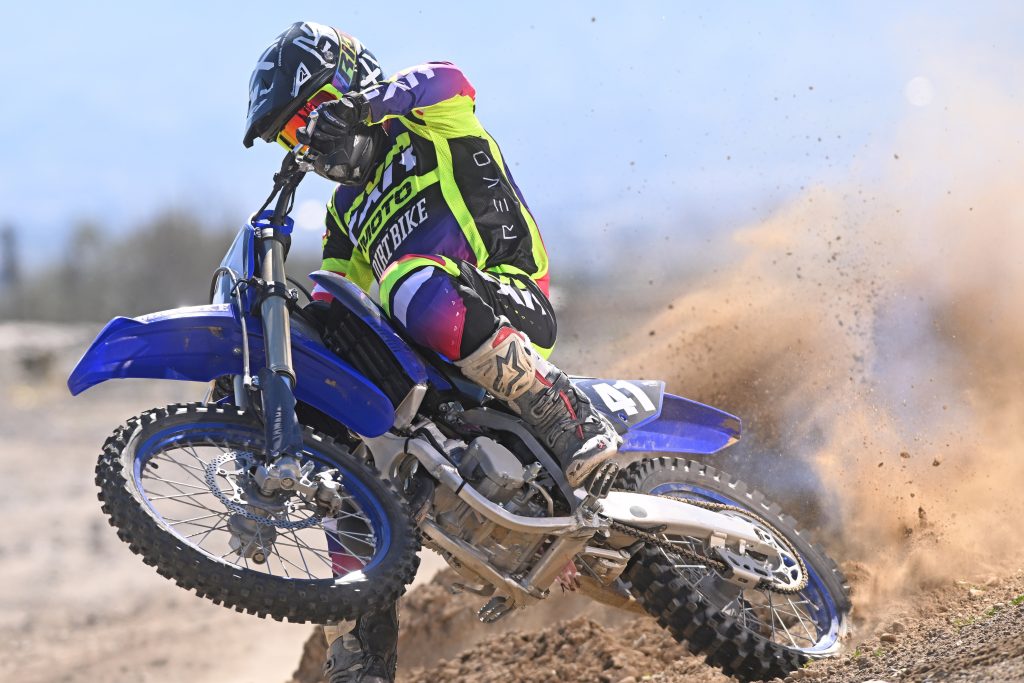
Yamaha champions a classic motocross look rooted in decades of heritage. The iconic blue plastics, bold graphics, and ergonomic detailing appeal to riders seeking a no-nonsense, purposeful machine. Build quality is robust, with attention paid to wear-resistant materials and components that withstand intense track days. The YZ125’s layout emphasizes functionality without excessive embellishment, catering to riders who value substance alongside style.
Riding Experience and Practicality
Ultimately, the decision between Husqvarna and Yamaha 125 dirt bikes comes down to the rider’s individual aspirations and riding conditions. The Husqvarna TC125 provides a sophisticated feel with balanced power and modern refinements, making it suitable for those who desire versatility across trail and track riding. Its EFI system and ergonomic ergonomics suggest a bike built with longevity and user-friendliness in mind, accommodating both progression and technical riding skill.
The Yamaha YZ125, however, offers an unfiltered, race-ready experience that aficionados of motocross relish. Its sharp powerband and responsive handling reward aggressive riding and provide exhilarating feedback around corners and over jumps. Riders who prioritize a raw, tactile connection to their machine often gravitate toward Yamaha’s time-tested formula. Moreover, the carbureted simplicity ensures that the bike can be maintained with relative ease, a trait cherished in the fast-paced world of race preparation.
Conclusion
Both the Husqvarna TC125 and Yamaha YZ125 stand as brilliant exemplars of 125cc dirt bike engineering. They each embody divergent philosophies: Husqvarna leans towards refinement and technological progression, while Yamaha embraces tradition and spirited performance. Choosing a winner ultimately depends on what the rider values most—whether it’s cutting-edge fuel injection technology with balanced power delivery or a kinetic, aggressive motocross weapon built for explosive track domination. Regardless of allegiance, both bikes promise an invigorating ride, impeccable build quality, and a gateway into the exhilarating world of two-stroke dirt biking.