Ever found yourself staring at a chopper’s underbelly, wrench in hand, wondering how on earth you’re supposed to wrestle those stubborn, kinked brake lines into submission? You’re not alone. The quest for pre-bent chopper brake lines isn’t just about convenience—it’s about reclaiming your sanity while ensuring your ride stops on a dime, every time. But where do you even begin? The market is a labyrinth of options, and not all lines are created equal. Let’s dive into the world of pre-bent brake lines, where precision meets passion, and where the right choice can turn a mechanical nightmare into a smooth ride.
The Allure of Pre-Bent Brake Lines: Why Bother?
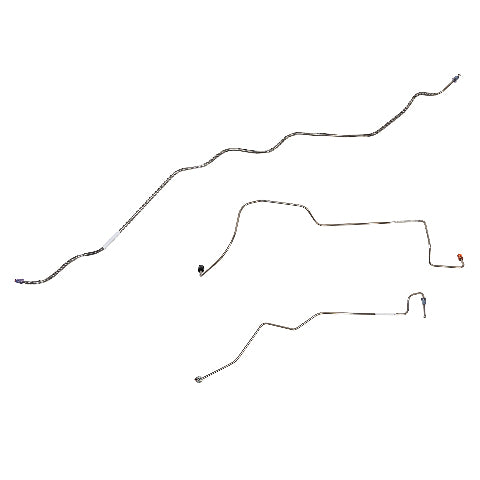
Picture this: You’ve spent months—or maybe years—customizing your chopper, hand-selecting every bolt, every curve, every aesthetic flourish. Then, you’re hit with the realization that your brake lines are a tangled mess of guesswork. Enter pre-bent brake lines, the unsung heroes of motorcycle customization. These aren’t your run-of-the-mill, off-the-shelf lines. They’re meticulously crafted to fit your bike’s unique contours, eliminating the need for tedious bending and re-bending. But the real magic? They’re designed to complement the chopper’s aesthetic, turning functional components into stylish accents. It’s like giving your bike a bespoke suit—functional, yet undeniably chic.
Yet, here’s the rub: Not all pre-bent lines are born equal. Some are mass-produced, slapped together with little regard for fit or finish. Others are handcrafted by artisans who treat each line like a work of art. The difference? Precision. A well-made pre-bent line doesn’t just *look* good—it *works* flawlessly. It hugs the frame like a second skin, resists kinks, and ensures your brake system operates with the reliability of a Swiss timepiece. So, how do you separate the wheat from the chaff? Read on.
The Hunt for the Perfect Fit: Sizing and Compatibility
Ah, the eternal struggle: Will these lines actually fit your chopper? It’s a question that haunts even the most seasoned riders. Pre-bent brake lines aren’t one-size-fits-all, despite what some vendors might claim. Your bike’s make, model, and year matter—but so do the nuances of your custom setup. Are you running a stretched frame? A rigid mount? A unique triple-tree setup? These details can make or break the fit.
Before you click “add to cart,” arm yourself with knowledge. Measure your existing lines—or, if you’re starting from scratch, sketch out the path your new lines should take. Pay attention to fittings: Are they inverted flare, banjo, or something else entirely? Mismatched fittings are the silent killers of brake systems, leading to leaks, spongy pedals, or worse. And don’t forget about length. Too short, and you’ll be fighting a losing battle to stretch them into place. Too long, and you’ll be left with unsightly loops that scream “amateur hour.”
The savvy rider knows to consult manufacturer specs or, better yet, reach out to the seller for a compatibility checklist. Some vendors even offer custom fabrication services, tailoring lines to your bike’s exact dimensions. It’s an investment, sure, but one that pays dividends in peace of mind—and a brake system that doesn’t betray you at the worst possible moment.
Material Matters: Steel vs. Stainless vs. Braided
Not all metals are created equal, and the same holds true for brake lines. The material you choose can dramatically impact performance, durability, and even the way your chopper *feels* on the road. Let’s break it down.
Steel: The budget-friendly workhorse. Steel lines are durable, resistant to corrosion, and easy to install. They’re a solid choice for riders who prioritize function over form. However, they lack the flexibility of other materials and can be prone to rust if not properly maintained. Think of them as the reliable sedan of brake lines—no frills, but it’ll get you where you need to go.
Stainless Steel: The gold standard for chopper enthusiasts. Stainless lines offer superior corrosion resistance, a sleek aesthetic, and a lifespan that puts steel to shame. They’re also more resistant to kinking, making them ideal for bikes with aggressive lines or custom setups. The downside? They’re pricier. But if you’re building a chopper that’s meant to last—and look good doing it—stainless is the way to go.
Braided Stainless Steel: The pinnacle of performance. Braided lines consist of a flexible inner tube surrounded by a stainless steel braid, offering unparalleled strength and flexibility. They’re resistant to expansion under pressure, which means firmer brake feel and better modulation. Plus, they look like something straight out of a sci-fi flick. The catch? They’re the most expensive option, and their aggressive styling might not suit every chopper’s vibe. But if you’re chasing the ultimate in braking precision and visual impact, braided lines are the holy grail.
So, which should you choose? It depends on your priorities. Budget-conscious builders might lean toward steel, while those chasing longevity and style may opt for stainless. And if you’re willing to splurge for the best of the best? Braided stainless it is.
Where to Buy: Navigating the Marketplace
The world of pre-bent brake lines is a sprawling bazaar, filled with options ranging from the sublime to the downright sketchy. Knowing where to shop can mean the difference between a seamless upgrade and a costly mistake. Here’s your guide to the best (and worst) places to source your lines.
Specialty Motorcycle Retailers: These are the purveyors of premium parts, where you’ll find lines crafted with care and backed by warranties. Websites like RevZilla, J&P Cycles, and Dennis Kirk cater to chopper enthusiasts, offering a curated selection of high-quality options. The downside? Higher price tags. But when you’re dealing with components that affect your safety, sometimes you get what you pay for.
Custom Fabricators: For the rider who demands perfection, custom fabricators are the answer. These artisans handcraft lines to your exact specifications, using premium materials and meticulous attention to detail. The result? A fit and finish that mass-produced lines can’t touch. The trade-off? Time and money. Custom work isn’t cheap, and lead times can stretch for weeks. But if you’re building a show-stopping chopper, it’s worth the investment.
Online Marketplaces: Amazon, eBay, and Etsy are treasure troves of pre-bent brake lines—but they’re also minefields of counterfeit or low-quality products. Proceed with caution. Always check seller ratings, read reviews, and ask for fitment photos before pulling the trigger. A suspiciously low price is often a red flag. That said, these platforms can yield hidden gems, especially if you’re hunting for discontinued or rare lines.
Local Bike Shops: Never underestimate the power of your neighborhood motorcycle shop. Many carry a selection of pre-bent lines, and the staff can offer invaluable advice on fitment and installation. Plus, you’ll avoid shipping delays and support a local business. Just be sure to call ahead—stock varies widely, and what works for one chopper might not for yours.
The key to a successful purchase? Research, patience, and a healthy dose of skepticism. Don’t settle for the first option you find. Compare materials, prices, and reviews. And when in doubt, ask the community. Chopper forums and social media groups are goldmines of real-world experience.
Installation: The Final Frontier
You’ve found the perfect lines, they’ve arrived in pristine condition, and now it’s time to make the magic happen. But before you dive in, a word of warning: Brake line installation isn’t for the faint of heart. One wrong move, and you could be staring down a hydraulic disaster.
Start by gathering your tools: a tubing cutter, flare wrench, brake bleeder kit, and a healthy dose of patience. If your lines are pre-bent, they should thread into place with relative ease—but don’t force it. If they don’t fit, double-check your measurements. Forcing a line into place can damage fittings or create weak points that lead to leaks.
Once the lines are in, it’s time to bleed the brakes. This is where things get tricky. Air in the system is the enemy of firm brake feel, and bleeding requires precision. Follow your bike’s service manual to the letter, or consider enlisting the help of a professional. A botched bleed can leave you with spongy brakes—or worse, a complete loss of braking power.
Pro tip: Take photos before disconnecting your old lines. It’s a small step, but it can save you hours of head-scratching when it’s time to reconnect everything. And don’t forget to torque your fittings to spec. Over-tightening can strip threads, while under-tightening can lead to leaks. It’s a Goldilocks scenario—just right is the only option.
Finally, test your work. Pump the brake lever a few times to ensure it feels firm and responsive. Take your chopper for a slow, controlled ride, paying close attention to how the brakes engage. If anything feels off, don’t ride it. Recheck your work or consult a professional. Brakes aren’t something to gamble with.
The Long Game: Maintenance and Longevity
You’ve installed your new lines, and your chopper is stopping like a dream. But the journey doesn’t end there. Proper maintenance is the key to ensuring your pre-bent lines—and your brake system as a whole—stand the test of time.
First, inspect your lines regularly. Look for signs of wear, such as cracks, bulges, or corrosion. Pay special attention to areas where the lines flex or rub against the frame. Even stainless steel can succumb to the elements over time, especially in harsh climates. If you spot damage, replace the lines immediately. There’s no room for compromise when it comes to safety.
Next, keep an eye on your brake fluid. Moisture contamination is a silent killer of brake systems, leading to corrosion and reduced performance. Flush and replace your fluid according to your bike’s service intervals, and always use the recommended type. Mixing fluids can cause chemical reactions that damage seals and lines.
Finally, protect your lines from the elements. Road grime, salt, and UV rays can take a toll, even on the toughest materials. Consider applying a protective coating or using heat shrink tubing at vulnerable points. And if you’re storing your chopper for an extended period, elevate it to prevent moisture buildup and inspect the lines before hitting the road again.
With the right care, your pre-bent brake lines can serve you for years—maybe even the lifetime of your chopper. Treat them well, and they’ll repay you with reliable, fade-free braking and a look that turns heads every time you roll to a stop.
Final Thoughts: The Road Ahead
Pre-bent brake lines aren’t just a convenience—they’re a statement. They’re proof that you refuse to settle for anything less than perfection in your chopper’s build. Whether you opt for mass-produced steel, handcrafted stainless, or the pinnacle of braided performance, the right lines will elevate your ride from “good enough” to “showstopper.”
But remember: The best lines in the world won’t save you if they’re not the right fit, installed incorrectly, or left to rot. Do your homework. Measure twice, cut once. And never, ever cut corners when it comes to safety. Your chopper’s brakes are its lifeline. Treat them with the respect they deserve, and they’ll reward you with miles of trouble-free riding.
So go ahead—take the plunge. Hunt down those perfect lines, install them with pride, and hit the road knowing your chopper stops as hard as it looks. The journey isn’t always easy, but the destination? Pure, unadulterated riding bliss.