The realm of Harley-Davidson engines is steeped in a rich tradition, with displacement sizes often referenced in cubic inches (ci). For enthusiasts, understanding these measurements and how they convert to cubic centimeters (cc) is crucial for making informed decisions about performance, maintenance, and upgrades. One of the most prevalent engine sizes encountered in Harley-Davidson motorcycles is the 107 cubic inch (ci) engine. This guide meticulously unpacks the conversion process from 107ci to cc, while exploring the nuances of Harley engine sizing and the practical implications of these figures.
Beginning with the fundamental conversion, 1 cubic inch equates to approximately 16.387 cubic centimeters. By applying this universal constant, the 107 ci Harley-Davidson engine translates into roughly 1753 cubic centimeters (cc). This metric measurement unveils a clearer picture for those more conversant with cc figures, a standard in many regions outside the United States. Recognizing this conversion is indispensable, especially when comparing engine specifications across different brands or international markets.
Beyond the mere numerical conversion, the displacement figure—be it in ci or cc—bears significant influence on the engine’s performance metrics. Displacement refers to the total volume that all pistons displace within an engine during one complete cycle. In essence, it serves as a proxy for engine size. Larger displacement engines generally deliver greater torque and horsepower, attributes that define the riding experience, especially in Harley-Davidson’s heavy cruiser lineup.
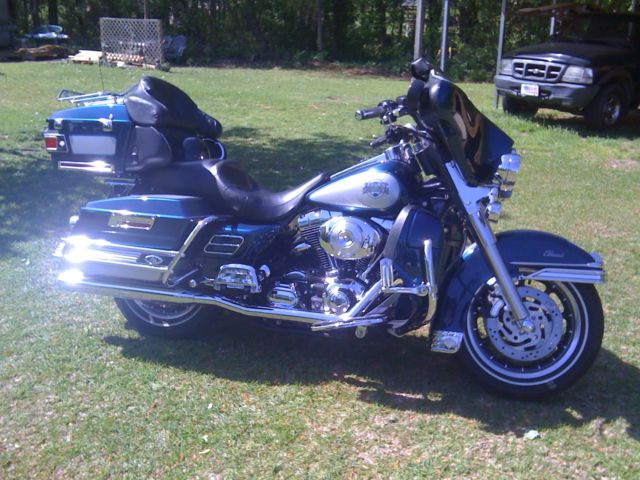
The Harley-Davidson 107 engine, commonly found in the Milwaukee-Eight family, is emblematic of a blend between traditional V-twin architecture and modern engineering advancements. With a displacement of around 1753 cc, it offers an optimal balance of power and smoothness. The configuration facilitates robust low-end torque, enabling impressive acceleration and cruising capability. This engine size introduction marked a significant leap from previous iterations, enhancing both reliability and performance while retaining the iconic Harley rumble.
Understanding engine size in both ci and cc also aids in grasping the varying tiers within the Harley-Davidson portfolio. The 107 ci displacement sits comfortably in the mid-range spectrum, catering to riders seeking a mixture of everyday usability and spirited performance. For comparison, smaller engines like the 75 ci (circa 1,230 cc) tout easy maneuverability and fuel economy, while larger powerplants such as the 114 ci (approximately 1,868 cc) cater to those craving heightened power and torque. This gradation facilitates tailored choices depending on rider preferences and intended use.
When delving deeper into performance characteristics, it’s crucial to remember that displacement alone does not dictate every aspect of an engine’s behavior. Engine tuning, fuel delivery systems, cam profiles, and exhaust configurations intrinsically influence output and feel. Nonetheless, displacement remains the foundational metric from which these enhancements are engineered. For instance, Harley’s engagement with fuel injection and improved combustion chamber designs in the 107 ci engine amplifies efficiency beyond what raw displacement numbers might suggest.
In practical terms, understanding the 107ci to cc conversion fosters better communication between riders, mechanics, and parts suppliers. Many aftermarket parts, tuning accessories, and performance upgrades specify compatibility based on engine size. Knowing that 107 ci equates to approximately 1753 cc allows for precise identification of appropriate components, whether it is high-flow air filters, exhaust systems, or camshaft kits. This clarity helps avoid costly mistakes and ensures optimal engine performance maintenance.
Moreover, legal considerations often hinge on engine displacement. Insurance policies, licensing regulations, and emissions standards in various jurisdictions classify motorcycles based on engine size metrics. A rider equipped with knowledge of both ci and cc can more adeptly navigate these frameworks. For example, certain insurance brackets or road taxes may apply differently once a threshold, such as 1750 cc, is crossed. Understanding that the 107 ci sits just beyond this line is invaluable for responsible ownership.
Harley-Davidson’s tradition of expressing engine sizes in cubic inches preserves the brand’s heritage, echoing the long-standing American customs of measurement. However, as the motorcycling landscape globalizes, proficiency in metric terms enhances accessibility and comprehension for international enthusiasts. This duality reflects not just numerical difference but a cultural intersection within the motorcycling community.
For prospective buyers and seasoned riders alike, the 107 ci (1753 cc) engine represents a sweet spot in Harley’s lineup. It embodies a motorcycle powerplant that is both formidable and manageable, blending substantial torque with dependable reliability. Whether embarking on long highway journeys or city riding, understanding the implications of this engine size empowers riders to optimize their riding experience through informed upgrades and maintenance regimes.
Exploring the nuances of Harley engine sizes beyond the 107 ci benchmark further deepens mechanical literacy. From the compact 60 ci engines of entry-level bikes to the commanding presence of the 117 ci powerplants designed for maximum dominating road performance, each displacement size appeals to different rider archetypes. The conversion to cc serves as the unifying metric for cross-brand performance comparisons and technical discussions in the broader motorcycle ecosystem.
In summary, the conversion of 107 cubic inches to approximately 1753 cubic centimeters bridges the traditional with the contemporary, American tonalities with international norms. It offers riders a gateway to deeper mechanical insight, helping them appreciate the engineering precision that goes into Harley-Davidson engines. Understanding this conversion enriches discussions around performance, parts compatibility, legal considerations, and personal preference. It enables every rider to approach Harley engine sizes with confidence and clarity.
Ultimately, mastery of the 107ci to cc conversion is not merely an academic exercise. It is a practical tool that enhances ownership experience, informs customization choices, and grounds conversations in precision. For those drawn to the rumbling thunder of a Harley, this knowledge harmonizes the passion with the technical, ensuring every ride is both exhilarating and informed.