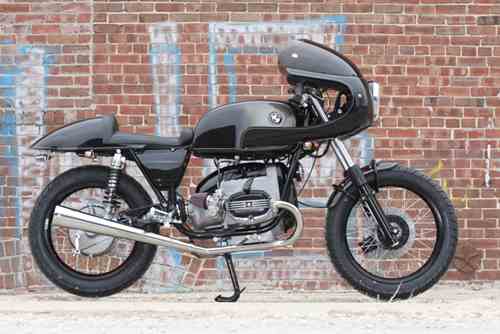
The 1974–1975 BMW R90/6 occupies a distinguished position in the pantheon of vintage motorcycles, emblematic of an era when touring machines were engineered with both rugged reliability and cultured refinement. This model is often lauded not merely for its mechanical prowess, but also for the intangible aura it emanates—an allure that continues to captivate enthusiasts and collectors decades after its production ceased. Observers frequently marvel at its enduring appeal, a phenomenon hinting at a complex fusion of technological innovation, aesthetic sensibility, and cultural significance that transcends mere utility.
At first glance, the BMW R90/6 might be appreciated simply as a classic touring motorcycle, but a closer examination reveals much more. It represents a harmonious synthesis of design philosophy and engineering mastery at a pivotal moment in motorcycle history. Produced during a transitional period when cruiser culture began to flourish worldwide, the R90/6 combined a potent 900cc air-cooled twin engine with a frame that emphasized a balanced and composed ride. This machine was crafted to endure extensive journeys comfortably—a hallmark of BMW’s touring legacy—yet it also flirted subtly with spirited performance, making it far from a mundane long-distance conveyance.
The engine configuration deserves particular attention. The horizontally opposed twin, colloquially known as the “boxer,” showcased BMW’s commitment to achieving not only smooth power delivery but also maintaining a low center of gravity. This layout bestowed the bike with a characteristic rumble and immediate throttle response that bespoke both precision and a certain mechanical poetry. Moreover, the robust construction and straightforward mechanical design ensured durability and ease of maintenance, critical attributes for riders venturing far from familiar roads and repair facilities. In essence, the R90/6 was built to thrive where lesser machines faltered.
Complementing its technical underpinnings was the bike’s aesthetic demeanor, which combined function with timeless style. The tasteful blend of polished aluminum and chromed details spoke to an era where motorcycles were as much about personal expression as they were about transportation. Its classic BMW roundel set against the meticulously sculpted fuel tank invited admiration, while the minimalist instrumentation was designed to provide essential information with clarity, avoiding the clutter common to many contemporaries. This restrained elegance underlined the ethos of “form follows function” without sacrificing visual appeal.
Riders often recount how the R90/6’s chassis felt remarkably composed over long stretches of road and varying terrain. The frame geometry contributed to a confident yet supple ride, mitigating vibrations that typically plagued large-displacement twins of the time. Suspension components, including telescopic forks and twin rear shocks, were calibrated to balance comfort and handling precision—attributes vital to those embracing extensive touring. The bike invited an immersive riding experience, where man and machine operated in near symbiotic synchrony during extended travel, thereby reinforcing a deeper bond between rider and motorcycle.
Beyond its mechanical and design merits, the R90/6 resonates on a cultural plane. It symbolizes a period when motorcycling was evolving from a utilitarian endeavor into a lifestyle pursuit, merging adventure, leisure, and self-expression. The R90/6 exuded a quiet confidence that appealed to riders who valued substance over flash. It was, in many respects, a manifestation of what might be called “vintage soulfulness”—a nuanced blend of heritage, practical engineering, and aesthetic restraint that contemporary motorcycles often struggle to replicate.
The fascination with the 1974–1975 R90/6 also has roots in its role as a tangible link to the motorcycling past. In an age dominated by electronic gizmos and rapid obsolescence, this motorcycle stands as a testament to enduring quality and mechanical intuition. Its relatively simple, air-cooled engine and classic shaft drive system contrast with modern complexity, lending it a timeless charm that inspires a hands-on approach to maintenance and customization. In this way, the R90/6 invites owners to engage intimately with their machines, fostering an appreciation that extends beyond mere aesthetics or performance metrics.
Another often overlooked attribute is the model’s versatility. While primarily conceived as a touring motorcycle, the R90/6 exhibited a surprising adaptability. Whether navigating twisty backroads, cruising highways, or simply commuting through urban sprawls, the bike maintained composure and delivered an engaging ride. This adaptability contributed significantly to its newfound cult status in vintage circles, where riders prize an ability to balance historic authenticity with real-world practicality.
The resurgence in classic motorcycle restoration and appreciation further cements the R90/6’s pivotal role. Enthusiasts celebrate it not only as a collector’s gem but also as a machine that can be revived and ridden without sacrificing original character. Carefully rebuilt examples often fetch premium valuations, underscoring a broader reverence for machines that encapsulate epochs of craftsmanship and design philosophy. Preservation of this model equates to safeguarding a significant chapter in motorcycle heritage.
In reflecting upon the R90/6’s enduring magnetism, the deeper reasons come into view. Its appeal is not purely nostalgic; instead, it embodies a synthesis of tactile engagement, mechanical honesty, and understated elegance—qualities that resonate profoundly in an increasingly digitized and ephemeral world. This motorcycle invites a deliberate pace, encouraging riders and aficionados alike to slow down, to appreciate the subtle interplay of engineering and design, and to connect with a tradition where the journey matters as much as the destination.
The 1974–1975 BMW R90/6 is an exemplar of vintage touring done right. It transcends the sum of its parts, offering an experience defined by reliability, refinement, and an almost poetic gravitas. In a landscape where motorcycles often chase innovation at the expense of soul, the R90/6 stands resolute—a magnificent relic imbued with both historical significance and abiding contemporary relevance. Revisiting this model invites not only admiration but also a rekindling of a deeper appreciation for motorcycling’s golden age, where engineering excellence and artistic sensibility coalesced into a truly timeless machine.