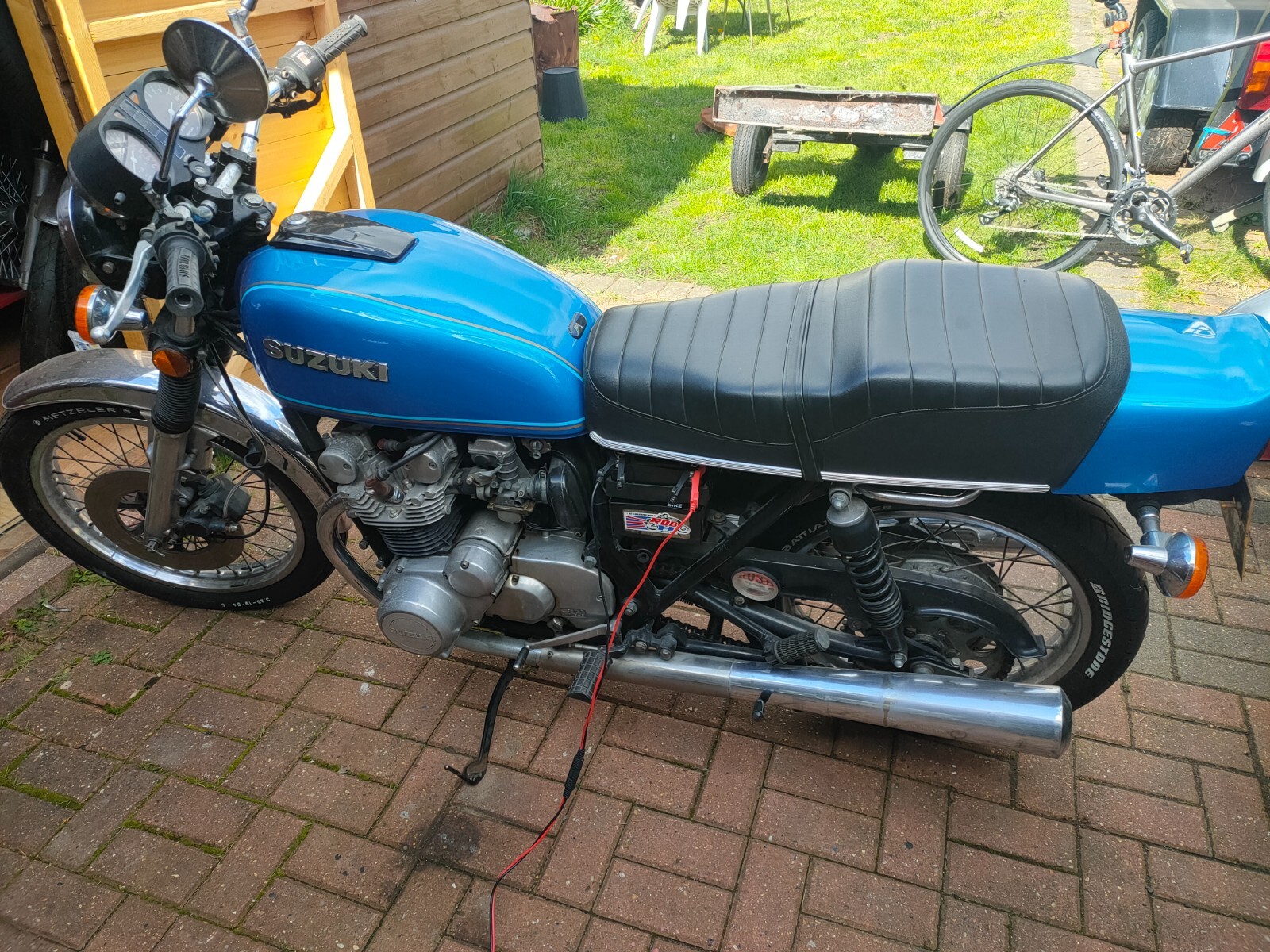
The early 1980s marked a pivotal chapter in the evolution of motorcycles, an era where engineering ingenuity met spirited design. Among the many machines that emerged, the 1981 Suzuki GS450 and GS550 stand out—not merely as relics of a bygone decade, but as compelling icons that promise to reshape how enthusiasts perceive entry-level classics. These models, often overshadowed by their more illustrious siblings and contemporary rivals, harbor qualities that provoke a reevaluation of what defines accessible yet authentic motorcycle history.
When one thinks of beginner bikes with lasting appeal, the mind often gravitates to the conventional candidates: smaller displacement two-strokes or the ubiquitous Japanese 250cc machines. However, the GS450 and GS550 challenge this narrative. They are not diminutive or meek; instead, they offer a unique blend of manageable performance coupled with enduring craftsmanship. Through their steel frames, resilient four-stroke inline-four engines, and distinctive styling, these motorcycles invite a reconsideration of the classic entry-level rider’s experience.
The GS450’s introduction was particularly significant as it represented Suzuki’s calculated approach to the mid-size motorcycle market. At 448cc, the GS450 was engineered to bridge the gap between novice-friendly bikes and more potent machines. What is striking is how Suzuki encapsulated rideability without sacrificing engineering complexity. The SOHC (Single Overhead Camshaft) inline-four engine provided smooth power delivery, a rarity for its class, ensuring the bike was neither intimidating nor underwhelming. This nuance made it a perfect starter bike for riders seeking growth, not mere transportation.
In parallel, the GS550—boasting a larger 543cc displacement—embodied a more assertive personality. It was not designed to be the fastest or flashiest motorcycle in the showroom, but its reliability and balance spoke volumes. Here, Suzuki’s intention was clear: craft a versatile motorcycle fit for novices yet capable of handling everyday road demands with aplomb. Fuel injection was still a distant future feature, and carburetors ruled. Suzuki’s use of four carburetors—one per cylinder—maximized throttle responsiveness, a subtle yet vital trait that appealed to riders honing their skills.
What compels attention is not just the mechanical reliability but the aesthetic philosophy Suzuki employed. The GS series, especially in 1981, embraced what might be described as utilitarian elegance. The bikes wore angular yet harmonious lines that conveyed solidity without excess flamboyance. Unlike the flamboyant muscle bikes from American and European makers, the GS450 and GS550 exemplified a quiet sophistication, a design that suggested steadfast dependability over fleeting trends. Their minimalistic instrumentation and restrained chrome work encapsulated a form-following-function ethos rare in that era’s motorcycle culture.
The suspension setup, often overlooked in favor of engine specs, was also meticulously balanced. Both models featured telescopic forks at the front and dual shock absorbers at the rear, tuned to offer a comfortable yet responsive ride. This configuration tuned the GS series to be forgiving for novices yet capable on twisty roads, engendering rider confidence rather than trepidation. This subtle interplay between components laid the groundwork for a riding experience that transcended pure utility, hinting at a more profound connection between rider and machine.
Moreover, these motorcycles were not confined to purely beginner use. The GS450 and GS550 had enough mechanical integrity and performance to appeal to experienced riders craving a low-cost, dependable second bike for city commuting or relaxed excursions. Their relatively light weight and balanced poise made them nimble in congested traffic, yet stable at highway speeds. This versatility elevates their profile beyond typical beginner labels, positioning them as well-rounded machines with multiple layers of appeal.
Exploring the cultural context enriches understanding of why these models merit renewed appreciation. The early 1980s motorcycle market was burgeoning with competing models vying for attention. The GS450 and GS550 were Suzuki’s answer to the demand for accessible, pragmatic motorcycles suited to a generation newly embracing two-wheeled freedom. They emerged at a crossroads—a time when technology, rider expectations, and the global economy intersected—rendering them emblematic of a democratization of motorcycling.
Tempting fate, one might consider these motorcycles as forerunners of today’s burgeoning retro-classic movement. Their robust, no-nonsense character offers a template for appreciating motorcycles not just for speed or spectacle, but for their intrinsic qualities and connection to an authentic riding heritage. Infused with modest power, manageable ergonomics, and straightforward mechanics, the GS450 and GS550 provide an accessible gateway to classic motorcycling that is rarer than it seems in a landscape crowded by over-engineered or highly specialized machines.
In addition, the aftermarket scene and community support for the GS series have cultivated an environment conducive to restoration and personalization. These factors endow the bikes with an enduring charm and preserve their relevance. Whether it is the tactile feel of the throttle, the gentle growl of the four-cylinder engine, or the palpable connection through the clutch and brake levers, the GS450 and GS550 offer more than transportation—they offer a tactile, immersive experience that modern equivalents struggle to replicate.
The shift in perspective comes when these motorcycles are viewed through a prism that values character over horsepower. Their understated complexity and vintage reliability challenge the prevailing wisdom that entry-level must equate with simplicity or compromise. Instead, they embody an era where mechanical elegance and rider development were intertwined. For riders and collectors alike, this reframing ignites curiosity about the latent potential of such machines to serve as both stepping stones and enduring classics.
Ultimately, the 1981 Suzuki GS450 and GS550 represent more than just motorcycles from the early ’80s; they encapsulate a philosophy that remains relevant. They promise to rekindle appreciation for balanced engineering, sensible power, and timeless design. As entry-level classics, they invite riders to rediscover the joy of riding without the intimidation of modern-day complexities. In doing so, they shift perspectives—not only on what constitutes a beginner’s bike but on how classic motorcycles can be appreciated as living, breathing legacies of motorcycling history.