Can a motorcycle be more than just a mode of transportation? Can it embody the spirit of rebellion while championing craftsmanship and individuality? The 1977 Harley-Davidson FXS Low Rider beckons such a playful inquiry, inviting enthusiasts and novices alike to dive into its legendary status as the original factory custom. It challenges the conventional notion of what a factory motorcycle should be, combining raw power, aesthetic flair, and rider-focused innovation. Let’s unravel the story of the Low Rider, a bike that not only changed the game but also set a precedent for customization straight from the assembly line.
The 1970s was a transformative decade for motorcycling culture. Amid the era’s flamboyant fashion and rapidly evolving tastes, riders sought machines that mirrored their personalities—vehicles that were expressions of freedom, attitude, and unbridled spirit. Harley-Davidson, already an icon in American motorcycling, responded to this cultural momentum with a groundbreaking concept: to produce a bike that came ‘custom’ from the factory rather than through aftermarket modifications alone. Enter the 1977 Harley-Davidson FXS Low Rider.
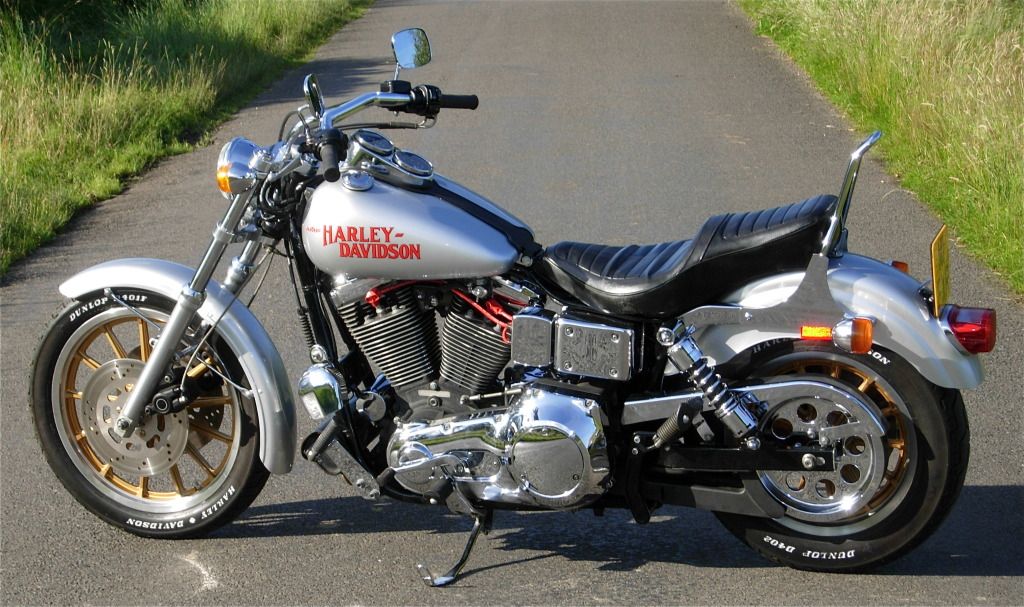
Unlike the conventional models that either embraced the traditional cruiser look or the heavier touring designs, the Low Rider was a hybrid—a meld of sporty compactness with that unmistakable Harley robustness. This model didn’t just claim the term “custom” for marketing flair; it redefined factory customization with deliberate design choices that combined versatility and style. Its lowered frame wasn’t merely an aesthetic enhancement but also a functional one, providing a more agile and confident riding experience, especially when carving through winding roads.
One of the most distinguishing features of the 1977 Low Rider is its unique balance between power and elegance. Powered by the Shovelhead engine, which had been the heart of Harley’s performance since the late ‘60s, this model delivered torque that made for thrilling acceleration without sacrificing reliability. The Shovelhead’s mechanical clatter became a signature soundtrack for riders seeking a visceral connection to their machine. The Low Rider’s performance was further augmented by its lightweight frame and nimble handling, making it an enticing option for both urban streets and open highways.
But what truly set the 1977 Low Rider apart was its aesthetic audacity—a visual narrative woven through its numerous custom touches. From the outset, Harley-Davidson endowed this model with features that were previously the domain of independent custom shops. Dual disc brakes in the front, for instance, were a pioneering move, enhancing safety without compromising style. The bike also sported distinctive “bevel-cut” cast aluminum wheels and a radically redesigned fuel tank emblazoned with striking graphics. These elements were not just superficial embellishments but carefully crafted components intended to elevate the rider’s experience and the bike’s identity.
Yet, replicating the spirit of a custom bike from a factory setting posed its own challenges. Could a mass-produced motorcycle truly capture the soul of individual expression? The 1977 Low Rider answered with an emphatic yes, but not without raising the stakes for customization culture. Its very existence challenged aftermarket shops to push their creativity even further, sparking a renaissance in motorcycle personalization. The bike encouraged its owners to become participatory artists—not only riding the machine but iterating upon it to reflect their evolving tastes.
This interactive dialogue between rider and machine became a hallmark of the Low Rider ethos. While factory-finished, the model was far from static. Many owners embraced the challenge, customizing handlebars, seats, exhausts, and paintwork to transform their Low Riders into unique specimens that could range from rugged minimalism to flamboyant spectacle. This dynamic relationship underscored the Low Rider’s role as a platform—a canvas inviting self-expression rather than constraining it.
Moreover, the 1977 Low Rider played an integral role in bridging two motorcycling worlds: traditional Harley purists, who valued heritage and power, and a burgeoning subculture of riders who favored personalization and urban style. This bike balanced the nostalgia of old-school Harleys with the contemporary appetite for innovation, making it a pivotal chapter in the brand’s history. It allowed Harley-Davidson to expand its appeal without alienating its core following, a balancing act not easily achieved by legacy manufacturers.
What of its legacy today? The 1977 Harley-Davidson Low Rider is revered among collectors and enthusiasts as a seminal piece of motorcycling lore. Its influence can be seen in subsequent Harley models that continue to offer customization straight from the factory floor—testament to its lasting impact. Moreover, it remains a symbol of the American spirit: rugged, individualistic, and unapologetically bold. Owning or even riding a Low Rider is akin to stepping into a living museum of design innovation and cultural resonance.
To appreciate the 1977 Low Rider fully is to appreciate a motorcycle that dared to question the status quo. It poses a playful yet profound challenge—can a factory motorcycle possess the soul of a custom-built masterpiece? The answer, ringing through the roaring exhaust pipes and gleaming chrome, is a resonant yes. It is more than a machine; it is a statement of identity, a celebration of craftsmanship, and a testament to the power of daring innovation.
As we look back, the 1977 Low Rider remains a beacon for riders who refuse to settle for the ordinary. It stands as a reminder that sometimes, the greatest rides come not just from what’s built exclusively for performance but from those creations that invite us to make them our own. This bike’s story is far from finished—it continues to inspire new generations to rise up and embrace the challenge of crafting their own unforgettable journeys on two wheels.