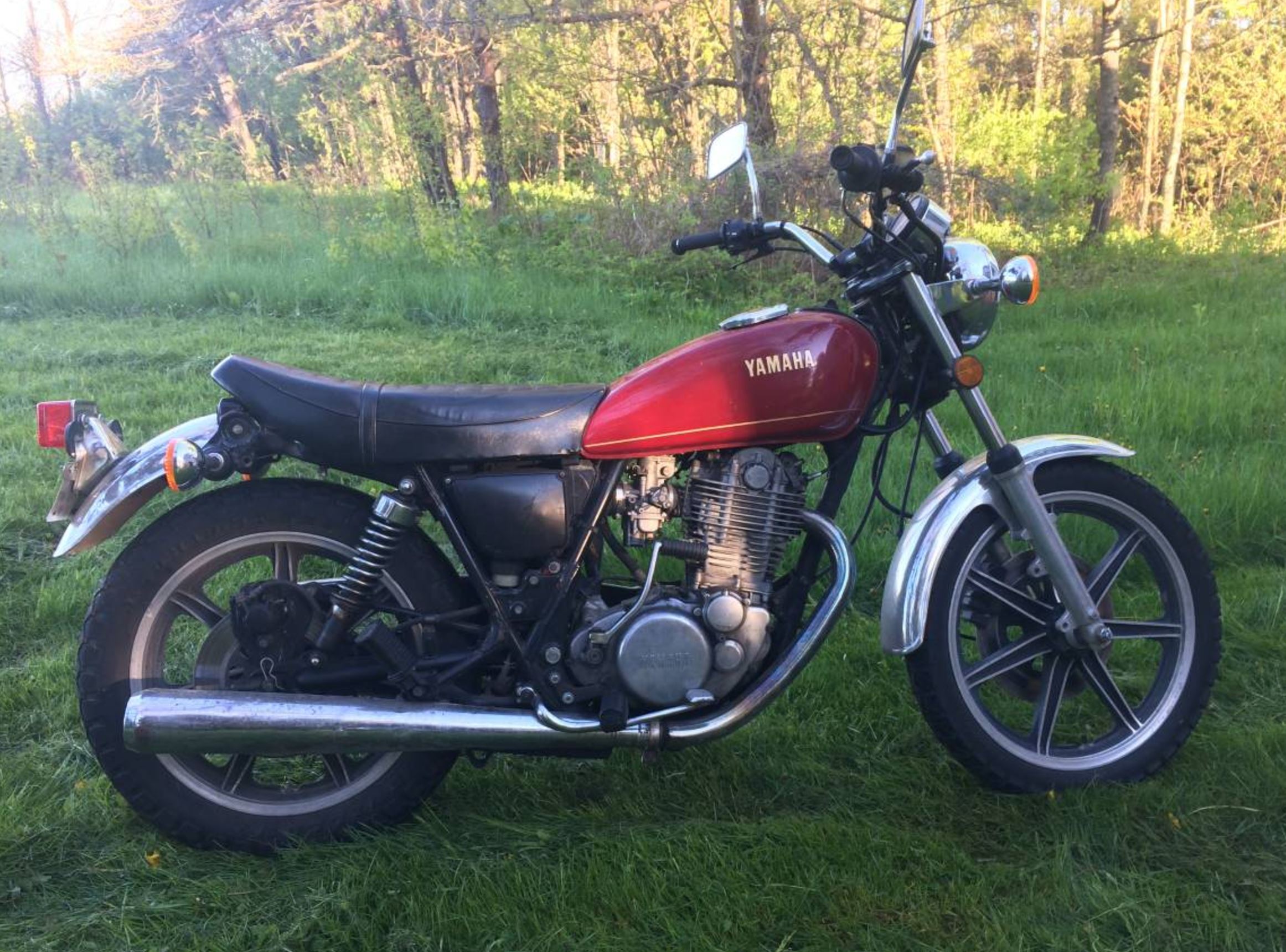
Can exquisite simplicity ever challenge the norms of excessive complexity in motorcycle design? The 1978 Yamaha SR500 dares to defy this question with an affirmative nod, embodying the minimalist spirit that has captivated riders for decades. It stands not just as a motorcycle but as a symbol of distilled engineering—an elegant ode to the joy of raw, unfiltered riding. This legendary machine, cloaked in timeless aesthetics and mechanical sincerity, beckons enthusiasts who seek an unpretentious yet profoundly rewarding experience on two wheels.
The SR500’s design philosophy embraces reductionism, stripping away nonessential frills to leave a pure, visceral connection between rider and machine. At first glance, the 1978 model’s unadorned frame and modest silhouette might appear modest compared to the turbocharged mega-machines of its era. However, this apparent simplicity masks a thoughtful composition of components engineered to maximize every ounce of its single-cylinder potency. It’s a deliberate challenge to the rider: Can you appreciate magnificence in what seems minimal?
Underneath its sleek, almost austere bodywork rests a robust 499cc air-cooled single-cylinder engine. This powerplant is renowned for its strong torque curve and responsive throttle, which rides the fine line between manageable and exhilarating. The vibrancy of the SR500’s motor imbues every twist of the wrist with immediate feedback, crafting an intimate dialog between machine and pilot. It’s a tactile experience that modern multi-cylinder bikes often dilute with layers of electronic intervention and insulated smoothness.
One of the defining features of the 1978 Yamaha SR500 is its venerable kickstarter, a lost art in today’s age of electric buttons and automated convenience. This mechanical ritual, while occasionally demanding patience and finesse, amplifies the bond between rider and engine. It’s a test of commitment and connection—quite unlike the impersonal ignition turns found on contemporary motorcycles. Starting the SR500 is an almost meditative initiation, a tactile reminder of motorcycling’s roots.
The frame and suspension system mirror the philosophy of the engine: no pretense, just functional elegance. The tubular steel frame serves as a steadfast backbone, marrying durability with nimble handling characteristics that reward a rider’s skill rather than overpower them. Long-travel telescopic forks and twin shock absorbers at the rear provide a balanced ride, absorbing imperfections of the road while maintaining a sharp sense of control. It’s a package that invites confidence, encouraging riders to push their limits gently but surely.
Aesthetically, the 1978 SR500 is a masterclass in timeless design. Its round headlamp, slender fuel tank, and minimalist fenders echo a bygone era where form was dictated by function but executed with undeniable style. The exposed mechanical elements—carburetor, exhaust headers, and the air-cooled engine’s cooling fins—all contribute to a raw industrial beauty. This visceral visual appeal rekindles the romance of motorcycling’s golden age, invoking nostalgia without sacrificing performance.
The bike’s individuality does pose a question to those accustomed to the conveniences of modern motorcycles: Can riders adapt their style to a machine that demands engagement rather than merely offering satisfaction at the turn of a throttle or push of a lever? The absence of modern electronic aids such as ABS, traction control, or fuel injection demands respect for the art of riding. It’s a purist’s playground, where mistakes teach lessons, and mastery is earned through experience rather than mitigated by technology.
Moreover, the SR500’s minimalist ethos extends to maintenance and customization potential, a critical aspect appealing to the hands-on enthusiast. Its relatively simple mechanical layout is accessible for those who prefer wrenching over workshops, enabling personal connection through care and modification. This ease of upkeep, coupled with plentiful aftermarket parts, has entrenched the 1978 model as a favorite for café racers and custom builders who prize originality and character over mass-produced sameness.
Despite its heritage, the 1978 Yamaha SR500 continues to resonate with today’s riders, cutting through the noise of hyper-advanced machines with the clarity of its singular voice. Its charm lies not only in what it offers mechanically but also philosophically. It champions the belief that motorcycling can be a straightforward pleasure, unburdened by the relentless pursuit of power or speed. Instead, it asks: Will you embrace the challenge of simplicity and find joy in the fundamentals?
In an age overflowing with technological wizardry and feature-laden motorcycles, the 1978 Yamaha SR500 stands out as a minimalist legend. It is both a nod to the past and a challenge to the present, daring riders to reconnect with the essence of motorcycling. Its enduring appeal lies in its uncluttered design, mechanical purity, and unequivocal commitment to offering a genuine and intimate riding experience—one that doesn’t just transport the rider, but transforms them.