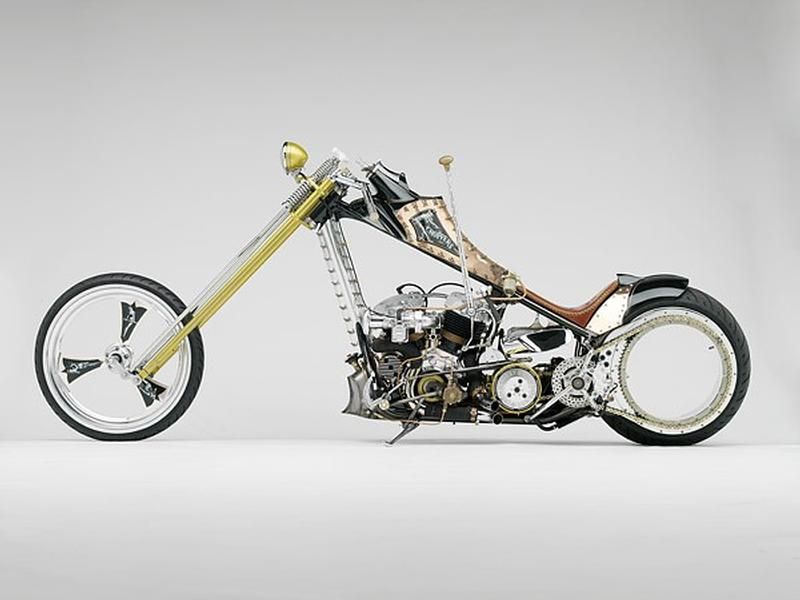
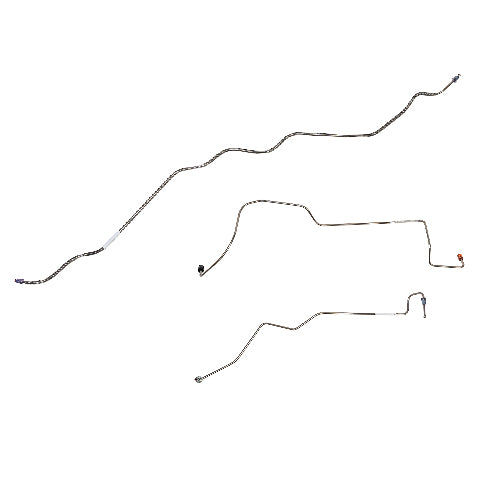
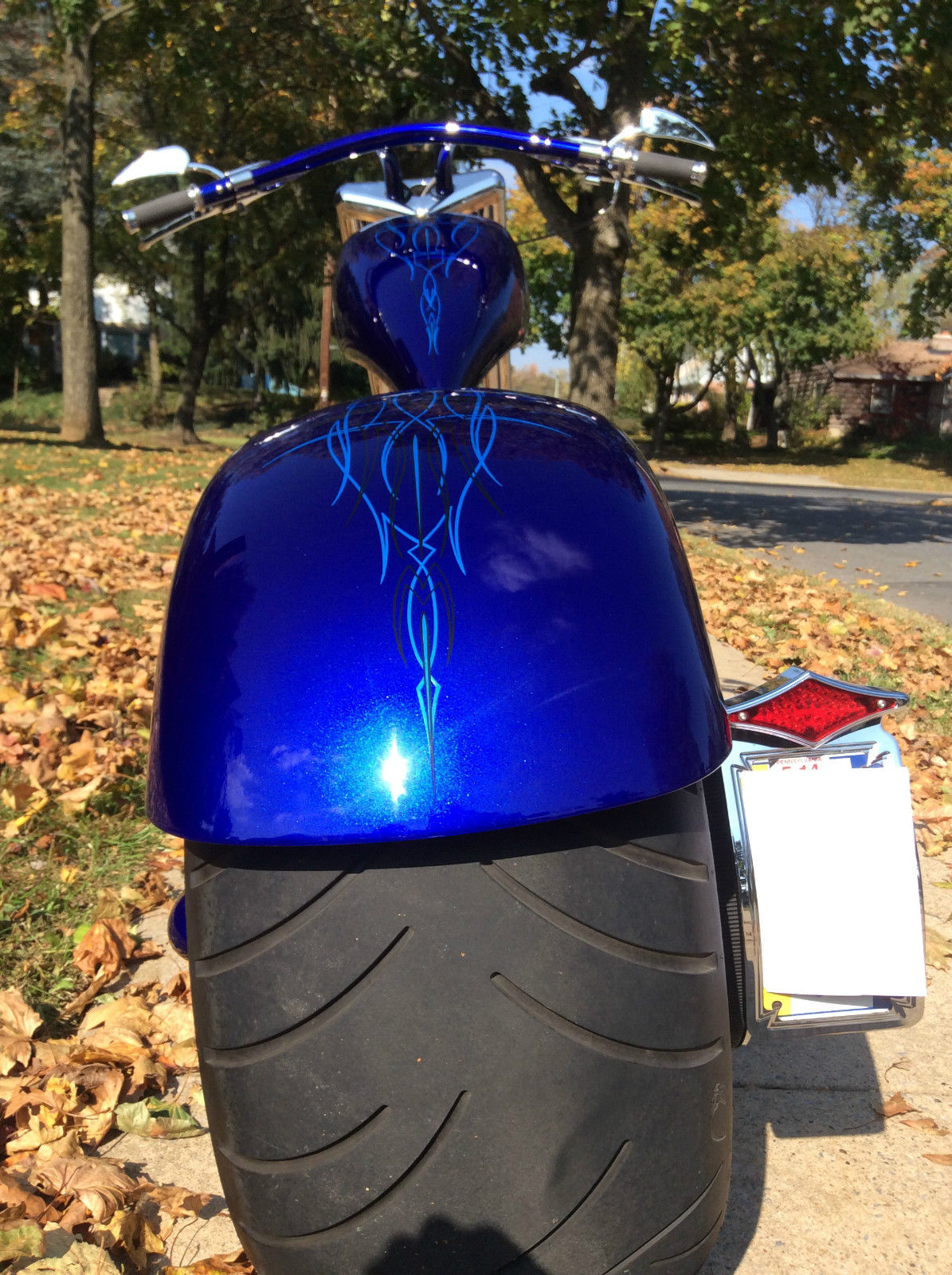
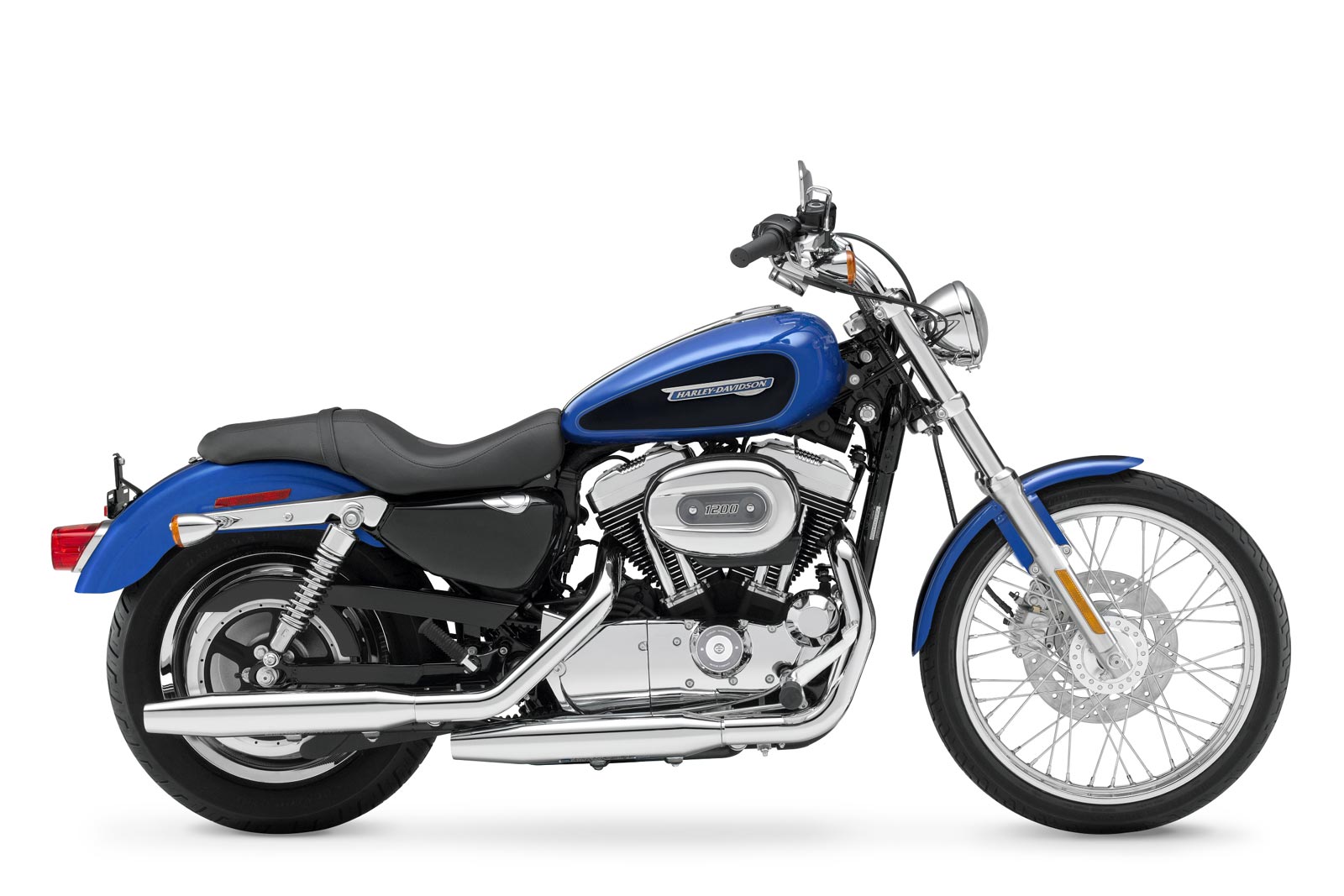
There’s something undeniably raw and primal about a chopper exhaust system stripped of mufflers—no dampened growl, no stifled rebellion, just the unfiltered roar of an engine screaming its existence into the world. This isn’t just about sound; it’s about identity. A no-muffler exhaust isn’t merely a functional component; it’s a statement, a declaration of intent that transforms a machine into an extension of its rider’s soul. Whether you’re chasing the thunderous crescendo of a V-twin or the crisp, metallic shriek of an inline-four, building a chopper exhaust without mufflers is an art form that demands precision, passion, and a willingness to embrace the untamed.
The Philosophy Behind a Mufflerless Exhaust: Why Silence is Not an Option
In a world where noise ordinances and environmental regulations often dictate the boundaries of mechanical expression, a mufflerless exhaust system stands as a defiant act of freedom. The absence of mufflers isn’t just about volume—it’s about purity. Traditional exhaust systems are engineered to suppress sound, to tame the beast within the engine. But a chopper, by its very nature, is a beast that refuses to be tamed. The philosophy here is simple: if the engine is designed to roar, then the exhaust should let it roar without apology.
Consider the evolution of chopper culture. Born from the rebellious spirit of the 1950s and 60s, choppers were never meant to blend into the background. They were meant to command attention, to disrupt the status quo with their aggressive aesthetics and unapologetic noise. A mufflerless exhaust system is the auditory manifestation of that ethos. It’s not just about performance; it’s about attitude. The growl of a Harley-Davidson with a straight-pipe exhaust isn’t just sound—it’s a growl of defiance, a challenge to the world to listen.
Choosing Your Weapon: Types of No-Muffler Exhaust Systems for Choppers
The world of mufflerless exhaust systems is as diverse as the riders who wield them. Each type offers a unique blend of performance, aesthetics, and character, catering to different tastes and riding styles. Understanding these options is the first step in crafting an exhaust system that resonates with your vision.
Straight Pipes: The Unfiltered Scream of the Engine
Straight pipes are the purest form of mufflerless exhaust. They consist of a single, uninterrupted pipe that channels exhaust gases directly from the header pipes to the atmosphere. The result? A relentless, high-pitched wail that peaks at high RPMs, accompanied by the unmistakable scent of burning oil and gasoline. Straight pipes are favored by riders who prioritize raw performance and an unadulterated connection to their engine. They’re also the most straightforward to install, making them a popular choice for DIY enthusiasts.
However, straight pipes come with trade-offs. The lack of backpressure means they can reduce low-end torque, making them less ideal for cruising at lower speeds. Additionally, the noise they produce is often too loud for urban environments, which can lead to legal issues or strained relationships with neighbors. But for those who ride with the wind in their face and the law in their rearview, straight pipes are an intoxicating choice.
Z-Pipes: The Art of Controlled Chaos
Z-pipes, also known as “zoom pipes,” are a more refined take on the straight-pipe concept. These exhaust systems feature a series of bends and turns that create a distinctive “Z” shape, which helps to manage airflow and reduce some of the harshness associated with straight pipes. The result is a deeper, more melodic growl that retains much of the raw power of a straight pipe while offering a slightly more civilized sound.
Z-pipes are particularly popular among builders who want to balance performance with a touch of sophistication. They’re also more forgiving in terms of backpressure, which can help maintain low-end torque. The aesthetic appeal of Z-pipes is undeniable, with their sleek, flowing lines adding a sense of motion and dynamism to the chopper’s design. For riders who want the best of both worlds—power and presence—Z-pipes are an excellent choice.
Drag Pipes: The Aesthetic Powerhouse
If you’re building a chopper with a focus on visual impact, drag pipes are a compelling option. These exhaust systems are characterized by their long, sweeping curves and minimalist design, often featuring a single, continuous pipe that stretches from the header to the end of the bike. Drag pipes are as much about style as they are about sound, with their clean lines and aggressive stance making them a favorite among custom builders.
The sound of drag pipes is a deep, resonant growl that builds gradually with RPM, offering a more controlled and musical tone compared to straight pipes. They’re also highly customizable, allowing builders to experiment with different diameters, bends, and finishes to achieve the perfect look. However, drag pipes can be more challenging to install due to their length and the precision required in bending the pipes. For those willing to put in the effort, the result is a chopper that turns heads and commands respect.
Materials and Craftsmanship: Forging an Exhaust System That Lasts
A mufflerless exhaust system isn’t just a functional component; it’s a work of art that must withstand the rigors of the road, the heat of the engine, and the corrosive effects of exhaust gases. Choosing the right materials and crafting the system with care are essential to ensuring longevity and performance.
Stainless Steel vs. Mild Steel: The Battle of Durability and Aesthetics
Stainless steel is the gold standard for exhaust systems, prized for its corrosion resistance, durability, and sleek finish. It’s ideal for riders who want an exhaust system that will last for years without rusting or degrading. Stainless steel also polishes beautifully, allowing builders to achieve a mirror-like finish that enhances the chopper’s aesthetic appeal. However, stainless steel is more expensive and harder to work with, requiring specialized tools and techniques for cutting and welding.
Mild steel, on the other hand, is a more affordable and malleable option. It’s easier to work with, making it a popular choice for DIY builders who want to shape and bend their own pipes. Mild steel can also develop a unique patina over time, adding character and a vintage feel to the chopper. However, it’s prone to rust and corrosion, especially in harsh climates or if the exhaust system isn’t properly maintained. For riders who prioritize cost and customization over longevity, mild steel is a viable option.
The Art of Welding: Joining Pipes with Precision
Welding is the backbone of any custom exhaust system. Whether you’re joining two pipes, attaching a header to the engine, or securing the exhaust to the frame, the quality of your welds will determine the system’s durability and performance. TIG (Tungsten Inert Gas) welding is the preferred method for stainless steel exhausts due to its precision and clean finish. MIG (Metal Inert Gas) welding is a more accessible option for mild steel, offering speed and ease of use.
Regardless of the method, proper welding requires skill and patience. Poor welds can lead to leaks, which not only reduce performance but also pose a safety hazard. Additionally, the heat generated during welding can warp thin-walled pipes, so it’s essential to use the right techniques and tools. For those who lack welding experience, hiring a professional fabricator is often the best choice to ensure a flawless result.
Performance Considerations: Maximizing Power and Sound
A mufflerless exhaust system isn’t just about looks and sound—it’s also about performance. The right exhaust can enhance horsepower, improve throttle response, and even increase fuel efficiency. However, achieving these benefits requires careful planning and an understanding of how exhaust systems interact with the engine.
The Role of Backpressure: Finding the Sweet Spot
Backpressure is a critical factor in exhaust system design. While mufflers are designed to create backpressure, a mufflerless system must find a balance between allowing exhaust gases to flow freely and maintaining enough resistance to keep the engine running efficiently. Too little backpressure can lead to a loss of low-end torque, while too much can choke the engine and reduce power.
One way to manage backpressure in a mufflerless system is through the use of headers. Headers are designed to optimize exhaust flow by using individual tubes for each cylinder, which helps to reduce turbulence and improve scavenging. The length and diameter of these tubes can be tuned to achieve the desired balance of performance and sound. For example, longer headers can enhance low-end torque, while shorter headers can improve high-RPM power.
Tuning for Sound: Crafting the Perfect Growl
The sound of a mufflerless exhaust system is a direct result of the engine’s design, the exhaust’s configuration, and the rider’s throttle input. However, there are ways to fine-tune the sound to achieve a specific tone or character. One method is to experiment with different pipe diameters. Larger diameters generally produce a deeper, more resonant sound, while smaller diameters can create a higher-pitched, more aggressive tone.
Another technique is to adjust the length of the exhaust pipes. Longer pipes can produce a more melodic, musical sound, while shorter pipes tend to emphasize the high-RPM growl. Additionally, the placement of the exhaust outlets can affect the sound. For example, exhausts that exit near the rear wheel can create a more pronounced “burble” at low RPMs, while exhausts that exit higher up can produce a more consistent roar across the RPM range.
Legal and Practical Considerations: Navigating the Noise and Emissions Landscape
While the allure of a mufflerless exhaust system is undeniable, it’s essential to consider the legal and practical implications. Noise ordinances, emissions regulations, and even insurance policies can impact your ability to ride with an unmuffled exhaust. Understanding these considerations upfront can save you headaches down the road.
Noise Regulations: Know the Limits
Most urban and suburban areas have noise ordinances that limit the decibel levels of vehicle exhaust systems. These regulations vary by location, but a common threshold is around 92-95 decibels. Exceeding these limits can result in fines, confiscation of your exhaust system, or even the impoundment of your bike. To avoid these issues, it’s crucial to research local laws and consider installing a noise-reducing baffle or resonator if necessary.
Some riders opt for “quiet” mufflerless systems, which use internal baffles or chambers to reduce noise without sacrificing too much of the raw sound. These systems can be a good compromise for riders who want to enjoy the benefits of a mufflerless exhaust while staying within legal limits. However, they often come with a trade-off in performance and sound quality.
Emissions Compliance: Balancing Power and Legality
In addition to noise regulations, many regions have strict emissions standards that can impact your choice of exhaust system. A mufflerless exhaust can significantly increase emissions, particularly hydrocarbons and carbon monoxide, which can lead to failed inspections or legal penalties. To comply with emissions laws, you may need to install a catalytic converter or other emissions-reducing components.
However, some riders choose to forgo emissions compliance, especially if they ride in areas with lenient regulations or primarily on private property. It’s important to weigh the risks and benefits of this approach, as non-compliant exhaust systems can result in fines or other penalties. Additionally, emissions systems can restrict exhaust flow, which may reduce performance and alter the sound of your exhaust.
Installation and Maintenance: Keeping Your Exhaust System in Top Shape
Building a mufflerless exhaust system is only half the battle. Proper installation and maintenance are essential to ensuring that your system performs optimally and lasts for years to come. Whether you’re a seasoned fabricator or a first-time builder, following best practices can save you time, money, and frustration.
Proper Fitment: Ensuring a Seamless Integration
The first step in installation is ensuring that your exhaust system fits your chopper perfectly. This involves measuring the frame, header pipes, and mounting points to determine the correct length, angle, and positioning of the exhaust. A poorly fitted exhaust can lead to leaks, vibrations, and even damage to the frame or engine.
For custom builds, it’s often necessary to fabricate mounting brackets or use adjustable components to achieve the perfect fit. Additionally, you’ll need to ensure that the exhaust system is securely attached to the frame to prevent movement or rattling. This may involve using rubber mounts, clamps, or even welding the exhaust directly to the frame for a more permanent solution.
Heat Management: Protecting Your Bike and Yourself
Exhaust systems generate an enormous amount of heat, which can pose a safety hazard to both the rider and the bike. To manage heat, it’s essential to use heat shields or thermal wraps around the exhaust pipes, especially in areas that come into close proximity to the rider or sensitive components like the fuel tank or seat. Heat shields can be made from stainless steel or aluminum and are typically bolted or clamped to the exhaust pipes.
Additionally, you’ll need to consider the placement of the exhaust outlets. Exhaust gases can be extremely hot, so it’s important to route them away from the rider’s legs and feet. Some builders opt for upward-facing exhausts, which can help to dissipate heat more effectively and reduce the risk of burns. However, these systems can also increase the risk of debris entering the exhaust, so it’s essential to weigh the pros and cons of each design.
Routine Maintenance: Preserving Performance and Longevity
Even the highest-quality exhaust system requires regular maintenance to keep it in top condition. Over time, exhaust pipes can accumulate carbon deposits, rust, or corrosion, which can restrict flow and reduce performance. To prevent these issues, it’s important to clean the exhaust system regularly using a wire brush, sandpaper, or a specialized exhaust cleaner.
Additionally, you should inspect the exhaust for leaks, cracks, or other damage, particularly after long rides or exposure to harsh conditions. If you notice any issues, it’s crucial to address them promptly to prevent further damage. For stainless steel exhausts, occasional polishing can help to maintain their shine and prevent corrosion. For mild steel exhausts, applying a rust inhibitor or protective coating can extend their lifespan.
The Final Roar: Embracing the Mufflerless Lifestyle
A chopper exhaust system without mufflers is more than just a mechanical component—it’s a symbol of freedom, a testament to the rider’s passion, and a declaration of individuality. Whether you’re drawn to the unfiltered scream of straight pipes, the controlled chaos of Z-pipes, or the aesthetic power of drag pipes, building a mufflerless exhaust is an adventure that challenges your skills, fuels your creativity, and connects you to the raw essence of motorcycling.
But it’s not just about the ride. It’s about the people you meet along the way—fellow riders who share your enthusiasm, fabricators who push the boundaries of design, and the countless strangers who turn their heads as you pass by. It’s about the scent of gasoline and oil in the air, the vibration of the engine through your bones, and the knowledge that every twist of the throttle is a defiant act of rebellion.
So, if you’re ready to embark on this journey, roll up your sleeves, fire up the welder, and let the roar of your engine be your guide. The road ahead is yours to conquer, and the world is waiting to hear your story.