Custom chopper motorcycles are more than just machines—they’re rolling works of art, born from the marriage of raw power and unbridled creativity. With their elongated forks, gleaming chrome, and thunderous exhaust notes, these bikes turn heads and spark conversations wherever they roam. But beneath the allure of their custom craftsmanship lies a labyrinth of legal considerations that vary wildly from state to state. Whether you’re a seasoned rider or a curious enthusiast, understanding the legality of your dream chopper isn’t just smart—it’s essential. Buckle up, because we’re about to dive into the intricate world of chopper laws, where every bolt and beam could mean the difference between cruising freely and facing a costly legal quagmire.
The Anatomy of a Chopper: What Makes It Unique—and Potentially Problematic
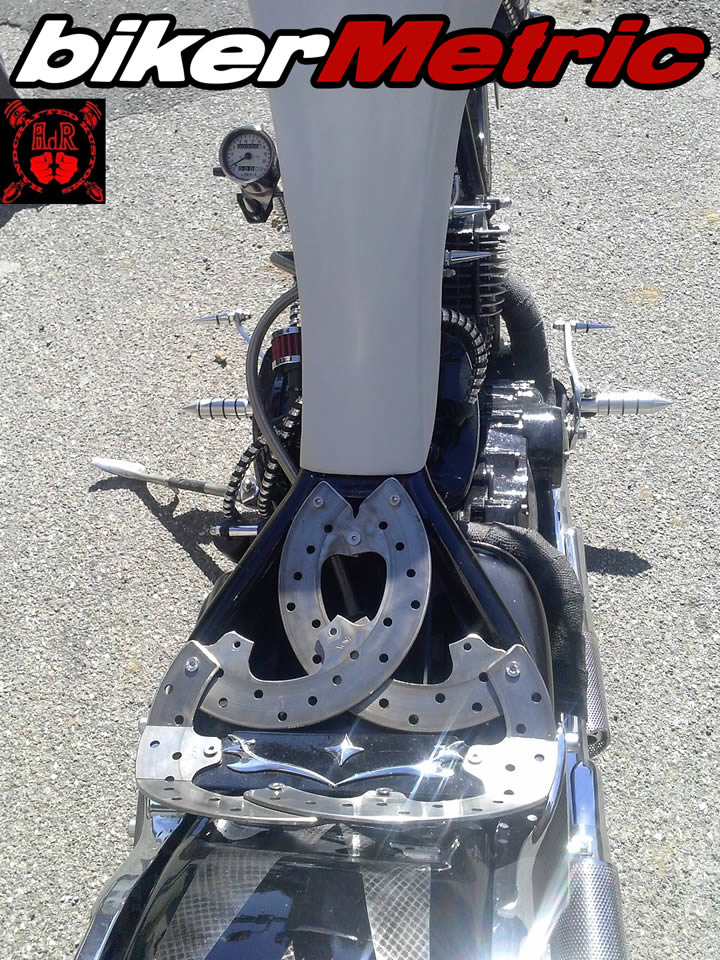
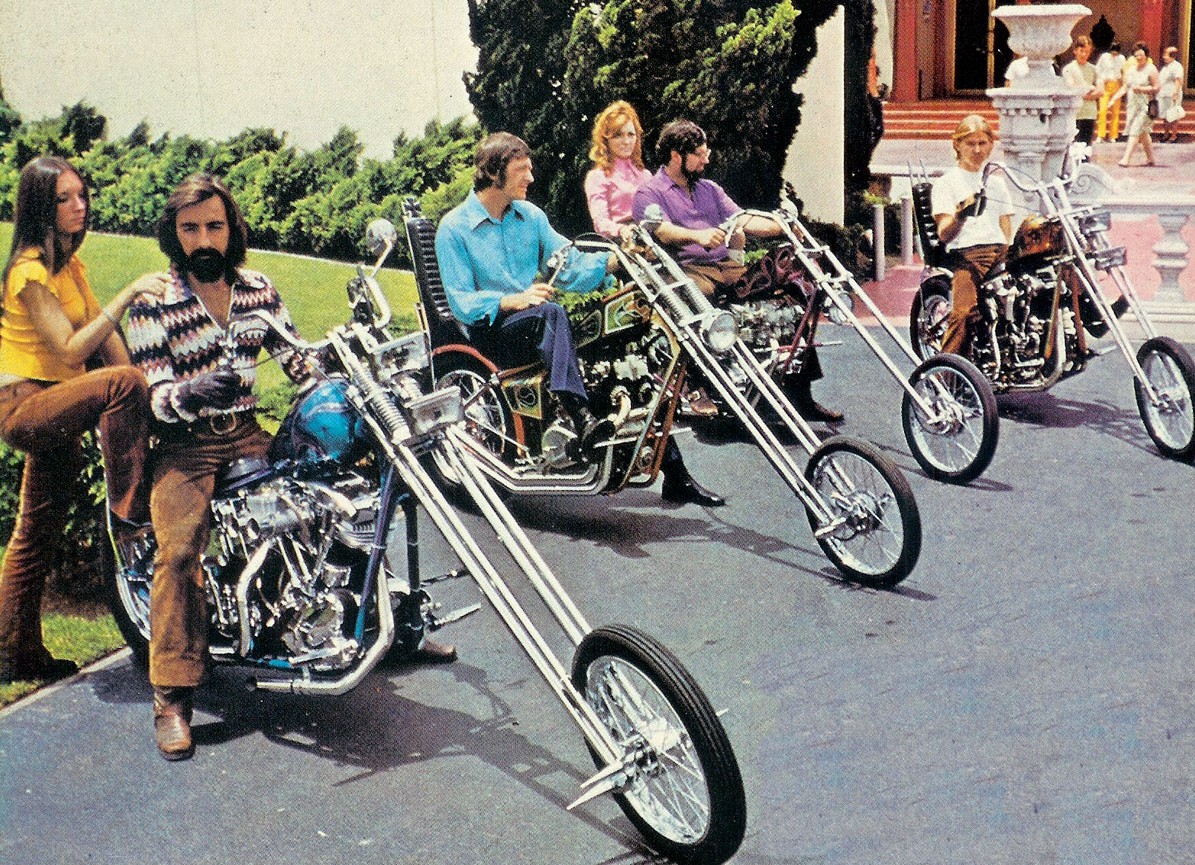
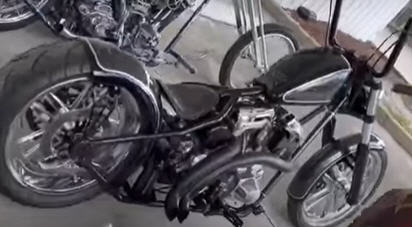
Before we dissect the legal landscape, let’s first understand what sets a chopper apart from its factory-built cousins. Choppers are the rebels of the motorcycle world, stripped down to their bare essentials and rebuilt with a singular vision. Their elongated front ends, often called “raked forks,” push the front wheel further out, creating a dramatic, stretched silhouette that’s as much about aesthetics as it is about handling. The rear fender is typically shortened or removed entirely, giving the bike a raw, unfinished look that screams individuality.
But these very features—raked forks, high handlebars, and minimalist frames—can run afoul of state regulations. Many states impose strict limits on handlebar height, fork angle, and even the angle of the front wheel. A chopper with forks raked at a 45-degree angle might look breathtaking, but in some states, it could land you a ticket faster than a speeding bullet. Meanwhile, the absence of a rear fender might violate noise or safety laws, depending on where you ride. It’s a delicate balance between artistic expression and legal compliance, where every modification demands careful scrutiny.

State-by-State Legal Quirks: Where Your Chopper Might Be a Crime
The United States is a patchwork of laws, and motorcycle regulations are no exception. Some states are havens for chopper enthusiasts, while others treat custom builds with suspicion bordering on hostility. In California, for example, the Golden State’s strict emissions laws can make it nearly impossible to register a chopper with a non-compliant exhaust system. Meanwhile, Texas—where everything is bigger, including the freedom to ride—offers more leniency, though you’ll still need to ensure your chopper meets basic safety standards.
Then there’s the matter of “lane splitting,” a practice where motorcyclists weave between slow-moving or stopped traffic. California is the only state where this is explicitly legal, but even there, the legality of a chopper doing so depends on its width and maneuverability. In states like New York, lane splitting is a gray area, leaving riders in a legal limbo that could result in fines or worse. And let’s not forget the dreaded “inspection” hurdles. Some states, like Pennsylvania, require annual safety inspections that could flag your chopper for modifications deemed unsafe, such as non-standard handlebars or improperly angled forks.
The key takeaway? Your chopper’s legality isn’t just about the bike itself—it’s about the road it travels. Always check your state’s Department of Motor Vehicles (DMV) website or consult a local motorcycle attorney before hitting the pavement. Ignorance isn’t bliss when it comes to the law; it’s a one-way ticket to a costly mistake.
Noise, Emissions, and the Unseen Battles of Chopper Legality
To the untrained ear, a chopper’s exhaust might sound like a symphony of rebellion. To a police officer’s decibel meter, it could be a violation waiting to happen. Noise ordinances vary wildly across the country, with some states capping motorcycle noise at 88 decibels and others allowing up to 92. A chopper with a straight-pipe exhaust might hit 100 decibels or more, making it illegal in most jurisdictions. Even if your chopper passes the noise test, emissions laws could still be a dealbreaker. States like California, which adhere to strict CARB (California Air Resources Board) standards, often require aftermarket exhaust systems to be CARB-approved—a rarity in the chopper world.
But noise and emissions aren’t the only silent killers of chopper legality. Some states have laws governing the visibility of your bike’s lights and reflectors. A chopper with a minimalist front end might lack the required headlight brightness or turn signal visibility, leaving you vulnerable to citations. Others mandate specific tire tread depths or brake system requirements, which can be tricky to meet with a heavily modified frame. It’s a minefield of regulations, where even the smallest oversight can turn your dream ride into a legal liability.

The Paperwork Purgatory: Registering Your Chopper Without Losing Your Mind
Even if your chopper meets all the legal requirements, registering it can feel like navigating a bureaucratic maze. Many states require a “VIN verification,” where a law enforcement officer or DMV representative confirms that your bike’s Vehicle Identification Number matches its paperwork. For a chopper built from the ground up, this can be a nightmare, as some states don’t recognize homemade or “kit” bikes as road-legal. You might need to provide photographs, blueprints, or even a sworn affidavit from a mechanic attesting to the bike’s safety.
Then there’s the issue of insurance. Standard motorcycle policies often exclude heavily modified bikes, leaving chopper owners to hunt for specialty insurers willing to cover their unique ride. And don’t even get started on the cost. Registration fees, inspection costs, and potential modifications to meet legal standards can add up quickly, turning what should be a labor of love into a financial sinkhole. The lesson here? Start the paperwork process early, and be prepared for a marathon, not a sprint.
Safety vs. Style: Striking the Perfect Balance
At the heart of every chopper’s design is a tension between safety and style. A stretched-out frame might look incredible, but it can also make the bike harder to control, especially at high speeds or during sudden stops. High handlebars, while stylish, can limit your ability to react quickly in traffic. And let’s not forget the lack of a rear fender, which might save weight but also increases the risk of debris flying up and striking other riders or pedestrians.
Some states address this tension head-on by requiring additional safety features, such as extended rear fenders or lower handlebars, for bikes with extreme modifications. Others take a more hands-off approach, trusting riders to make responsible choices. But no matter where you live, safety should never take a backseat to style. A well-designed chopper balances both, ensuring that you can turn heads without putting yourself or others at risk. Consider investing in high-quality brakes, a sturdy frame, and reflective gear to enhance visibility. After all, the best choppers aren’t just beautiful—they’re built to last.
Real-World Tales: When Chopper Legality Goes Wrong (and Right)
To bring these legal complexities to life, let’s look at a few real-world scenarios. Take the case of a California rider who built a chopper with a 40-degree fork rake and straight-pipe exhaust. Despite its stunning appearance, the bike failed its initial emissions test, forcing the owner to install a CARB-approved exhaust system—a costly and time-consuming process. Meanwhile, a Texas rider with a similar build had no issues registering their chopper, thanks to the state’s more lenient regulations. The difference? A few hundred miles and a world of legal nuance.
Then there’s the story of a New York chopper enthusiast who was pulled over for lane splitting in heavy traffic. Though the officer ultimately let them off with a warning, the rider later learned that their chopper’s width made it technically illegal to split lanes in the first place. It was a close call that highlighted the importance of knowing not just your state’s laws, but also how your bike’s dimensions fit into those laws. These tales serve as cautionary reminders: the road to chopper legality is fraught with pitfalls, but with the right knowledge, you can navigate it successfully.
Your Chopper’s Legal Roadmap: A Step-by-Step Guide
Ready to take the plunge into chopper ownership? Here’s a step-by-step guide to ensuring your ride is as legal as it is legendary:
- Research Your State’s Laws: Start by visiting your state’s DMV website or contacting them directly. Look for regulations on handlebar height, fork angle, exhaust noise, and emissions standards.
- Consult a Local Mechanic or Attorney: A mechanic familiar with chopper builds can help you identify potential legal red flags before you start modifying. If the paperwork seems overwhelming, a motorcycle attorney can guide you through the registration process.
- Invest in Legal Modifications: If your state has strict noise or emissions laws, consider investing in a CARB-approved exhaust system or a quieter alternative. For safety, ensure your chopper meets minimum lighting and braking requirements.
- Get Insured: Shop around for motorcycle insurance that covers heavily modified bikes. Be prepared to provide detailed photos and descriptions of your chopper’s build.
- Register Your Chopper: Gather all necessary paperwork, including proof of ownership, VIN verification, and any required inspections. Be patient—this step can take weeks or even months.
- Stay Informed: Laws change, and what’s legal today might not be tomorrow. Keep an eye on updates from your state’s DMV or motorcycle advocacy groups to stay ahead of the curve.
By following these steps, you’ll not only protect yourself from legal headaches but also ensure that your chopper remains a source of pride and joy for years to come.
The Future of Chopper Legality: Trends and Predictions
As electric motorcycles gain traction and emissions laws tighten, the future of chopper legality is anything but certain. Some states are beginning to relax restrictions on custom builds, recognizing the cultural and economic value of chopper culture. Others, however, are doubling down on regulations, particularly in urban areas where noise and safety concerns are paramount. The rise of electric choppers could also reshape the legal landscape, as states scramble to define rules for these silent but powerful machines.
One thing is clear: the chopper community isn’t going anywhere. Riders will continue to push the boundaries of design and engineering, and lawmakers will continue to grapple with how to regulate these unique machines. The key to navigating this evolving landscape lies in staying informed, advocating for sensible laws, and building bikes that are as safe as they are stunning. After all, the best choppers aren’t just a rebellion against convention—they’re a celebration of freedom, creativity, and the open road.