When the roaring engines of the early 1980s echo through the annals of motorcycle history, two Yamaha models emerge as protagonistic rivals: the 1982 Yamaha Maxim and the legendary Seca series encompassing the 550, 650, and 750 variants. Each bike is a distinct creature, embodying not only mechanical prowess but also an ethos that resonates with different archetypes of motorcycling aficionados. Like two competing brushstrokes on the canvas of Yamaha’s legacy, the Maxim and the Seca offer contrasts that reveal their unique appeal and the reasons why riders still debate the champion between these machines decades later. What follows is an exploration of these iconic motorcycles through the prism of design, performance, versatility, and rider experience—decoding the enigmatic question of which one truly wins.
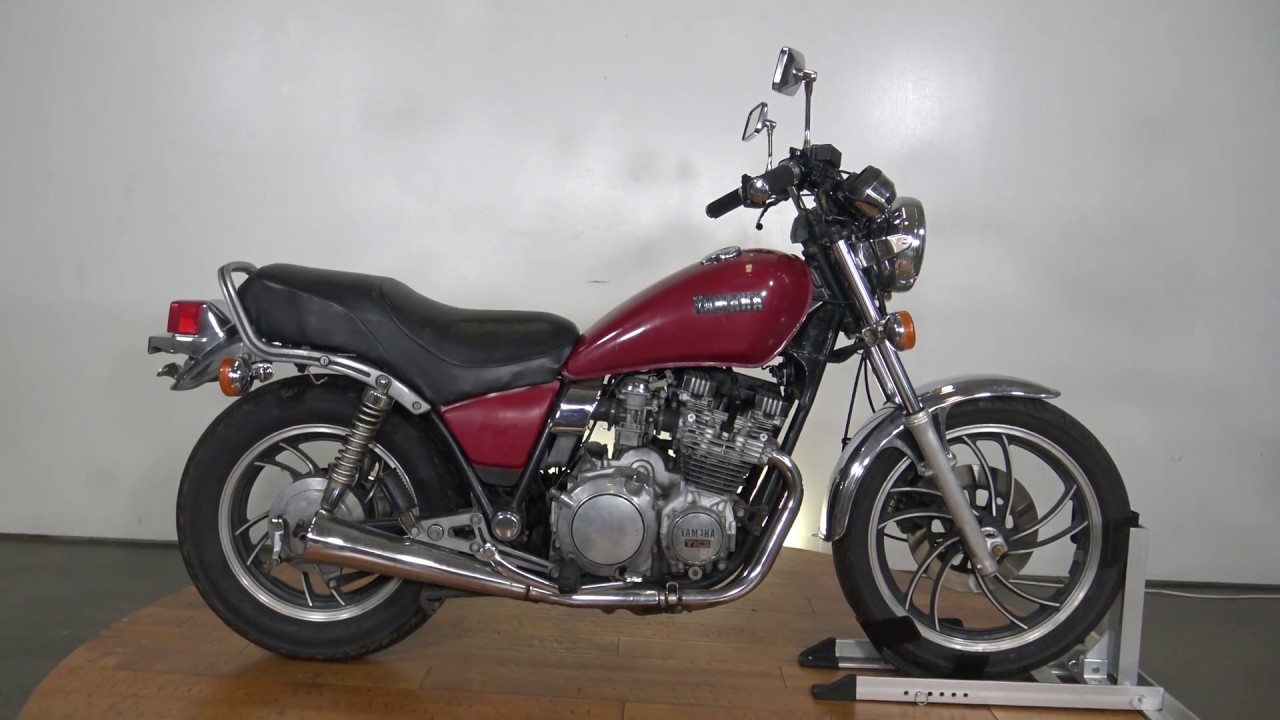
Peeling back the layers of aesthetic and architectural design, the 1982 Yamaha Maxim stands as a testament to the early cruiser paradigm, showcasing a muscular yet approachable silhouette. Think of the Maxim as an ironclad battleship—broad-shouldered and robust, grounded firmly on the road with a classic chromatic flourish that nods unmistakably to retro American muscle bikes. The Maxim’s styling daringly combined ruggedness with subtle sophistication, characterized by a distinctive angular fuel tank and a dropped handlebar configuration that invites a relaxed, feet-forward riding posture. Ergonomics here are a careful orchestration between comfort and assertiveness, fostering a kinship with the rider that’s tactile and visceral.
Conversely, the Yamaha Seca—available in the 550, 650, and 750cc incarnations—presents a sportier, more agile counterpart, akin to a nimble falcon perched at the ready. Its styling reflects early sport bike tendencies with sharper lines, a more compact frame, and a slightly forward-leaning stance that subtly coaxed riders toward nimble maneuverability and dynamic control. Among the Seca family, the 750 model becomes the apex predator, boasting a larger displacement and enhanced ergonomics that appeal to those hungry for a blend of power and precision.
Mechanically, these machines operate under differing philosophies that reveal Yamaha’s strategic segmentation of the market. The Maxim’s air-cooled, SOHC V-twin engine—a 650cc powerhouse—is engineered for reliable torque delivery at lower RPMs. This translates to a smooth thrust forward, perfect for cruising thoroughfares or absorbing long distances with graceful ease. It’s not a racehorse but a steadfast tour companion, imbuing confidence through a docile yet responsive powerband. The engine’s character feels bred from the essence of classic cruising, inviting the rider to savor the journey rather than merely the destination.
On the flip side, the Seca models employ inline-four engines, a revelation in smoothness and rev-happy excitement. The 550 and 650cc variants deliver sprightly performance, their multi-cylinder architecture allowing for higher rev limits and more explosive acceleration. The 750cc Seca represents a pinnacle of the series’ capacity, its engine offering a balance of vigor and control that transcends its class. Riding a Seca feels akin to harnessing a tightly-tuned racehorse—with every gear change and throttle twist communicating precision and hunger for the road. The sound alone—a sharp, buzzing cadence—bespeaks an aggressive disposition that contrasts with the Maxim’s throaty grunt.
When evaluating handling and chassis dynamics, the Yamaha Maxim embodies a heavier, more grounded riding experience. Its longer wheelbase and cruiser geometry mean it excels on stability and a planted road feel, yet it lacks the agility demanded by tight corners or technical riding scenarios. The suspension, while comfortable for highway cruising, absorbs rough patches without fuss but doesn’t invite enthusiastic sporty riding. This emphasis on relaxed control and comfort crafts a distinct personality: the rider is never rushed but immersed in the cruising ethos.
The Seca, however, shines in its versatility and nimbleness. With a frame designed to promote more dynamic handling characteristics, the Seca is adept at embracing twisty roads and swift direction changes. Its lighter weight compared to the Maxim makes it more responsive, while its sportier suspension setup caters to a more engaged riding style. Riders seeking the thrill of carving through serpentine roads or exploring urban maneuvers find the Seca an intimate partner, capable of both spirited escapades and practical daily riding.
Unique appeal, though, transcends mere mechanical specifications—it whispers in the subtleties of rider connection and cultural imprint. The Maxim, with its near-iconic cruiser stance, attracts devotees of classic motorcycle culture, those who savor the tactile rhythms of American-inspired design blended with Japanese reliability. It’s a motorcycle that tells stories at rest and murmurs nostalgia at speed. Riders often praise its authenticity and approachable power delivery as key to its enduring charm.
The Seca series, by contrast, appeals to the renaissance rider: one who desires the intersection of functionality and sportiness without sacrificing practical usability. It’s a machine for the enthusiast who values the thrill of engine response and edge-of-control riding but still leans on Yamaha’s famed dependability. The Seca’s lineage can be seen as a bridge between the commonplace commuter and the exultant sportbike, a rare hybrid of character and capability.
Ultimately, deciding which motorcycle “wins” between the 1982 Yamaha Maxim and the Seca (550, 650, 750) is less an exercise in cold comparison and more a lyrical choice about riding philosophy. Should the victorious champion be the cruiser’s hefty battleship, offering relaxed dignity and classic allure? Or the falcon-like sportster, agile and razor-sharp, with a pulse quickened by every twist of the throttle? The answer lies within the rider’s soul—a choice dictated by how one wishes to converse with the road, whether through the measured cadence of a Maxim or the exhilarating dance of a Seca.
In the realm of vintage motorcycles, both the Maxim and the Seca retain an illustrious place, their legacies etched in steel and rubber. They each tell different tales of the early 1980s Yamaha engineering vision, and each holds a torch in the arena of rider preference. Whether one places value on the grounded, rumbling presence of the Maxim or the sharp-edged finesse of the Seca, this duel of Yamaha’s titans remains a masterclass in contrasts—and an invitation to celebrate the variety and depth of motorcycling’s rich heritage.