When was the last time a motorcycle genuinely redefined what it meant to be a sportbike? The 1983 Honda Interceptor VF750F challenged every preconceived notion in the motorcycling world, thrusting itself into the spotlight with a combination of raw innovation, aggressive styling, and engineering finesse. But what exactly made this motorcycle a true game-changer? And could it possibly still hold a candle to the modern beasts tearing up today’s asphalt? Let’s dive into the story of this legendary machine and explore the elements that made the VF750F an icon.
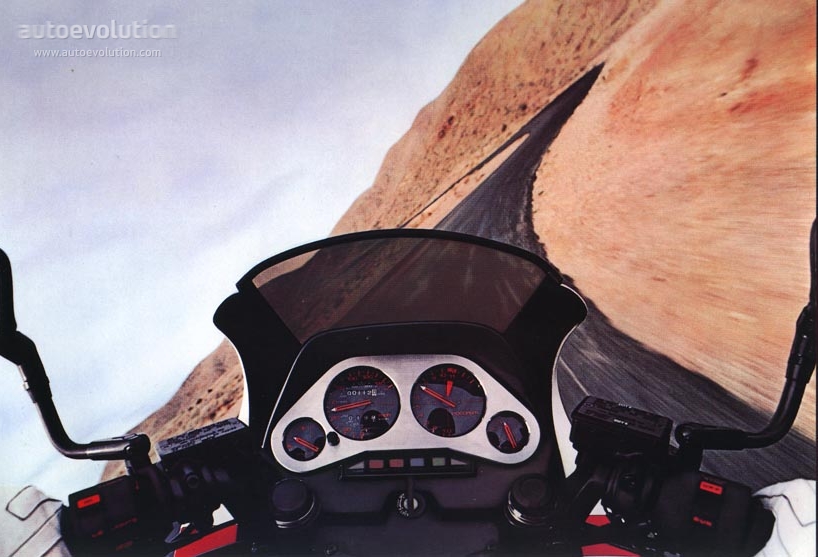
At first glance, the 1983 Honda Interceptor VF750F captivates with its muscular yet aerodynamic silhouette—an artful blend of functionality and aesthetic bravado. Dominated by angular lines and a distinctive dual-headlight setup, its design screamed performance and purpose. Every curve, every contour was meticulously crafted, not merely for visual appeal but for optimizing airflow and rider ergonomics. This bike was Honda’s bold statement that sportbikes didn’t just have to be fast—they had to look the part too.
Underneath that fierce exterior lay a powerhouse—the innovative V4 engine. Unlike the ubiquitous inline-four engines common at the time, the VF750F’s 750cc V4 layout was nothing short of revolutionary. This confounding architectural choice allowed for a more compact powerplant with exceptional torque delivery and a character that was as unique as it was thrilling. The V4 configuration, paired with Honda’s famous engineering precision, produced smooth, burly power across a broad rev range, making the ride not just quick but remarkably tractable.
But could a new engine design pose a challenge in terms of reliability and maintenance? This was a question many skeptics asked when Honda unveiled the VF750F. Engineering chaos often lurks behind innovation’s curtain. However, Honda’s steadfast reputation for reliability was not misplaced. The VF750F’s engine proved robust enough to endure the rigors of both spirited street riding and competitive track scenarios, cementing its status as an accessible yet formidable machine.
Performance, however, is only part of the story. The Honda Interceptor VF750F heralded a new era in chassis and suspension design. Incorporating an aluminum frame that was lightweight yet rigid, it allowed for nimble handling that previously seemed out of reach for large displacement motorcycles. Its suspension components were finely tuned to absorb the undulations of rough roads and the aggressive demands of high-speed cornering alike. Riders found themselves with unprecedented confidence—the VF750F felt alive, eager to be pushed, yet remarkably stable.
Have you ever wondered about the challenges in striking the perfect balance between speed, control, and comfort? The VF750F dared to answer this conundrum with a package that excelled in all three. Its relatively slim profile and well-considered ergonomics put the rider in a position that was at once aggressive for aerodynamics and yet comfortable enough for longer rides. This multifaceted approach widened its appeal from hardcore racers to everyday enthusiasts craving sportbike thrills without discomfort.
One cannot discuss the 1983 Interceptor without mentioning its impact on the motorcycle racing scene. The VF750F quickly became a favorite in production-based racing series worldwide. Its capabilities on the racetrack validated Honda’s engineering choices and influenced both competitors and manufacturers. This bike effectively blurred the lines between street machines and track-ready contenders, amplifying the intensity of sportbike competition and ushering in an era of heightened technological advancement.
Yet, beyond specifications and racetrack accolades, what truly sets the Honda VF750F apart is its enduring legacy. It embodied a leap forward—a pivot point that redefined sportbike expectations. It challenged riders to rethink what was possible, pushing the industry toward innovation we now take for granted. The VF750F dared the status quo to keep up, forcing a wave of evolution that elevated performance, style, and accessibility in parallel.
But here’s a playful question to motorcycle aficionados today: Could the 1983 Honda Interceptor VF750F still hold its own amidst the ferocious lineup of modern sportbikes? While technology has galloped ahead, the VF750F’s blend of engineering brilliance and design sophistication retains a charm that transcends eras. Modern sportbikes wield more electronic aids, higher outright power, and lighter materials, but few have managed to capture the raw visceral character that radiates from the VF750F’s V4 roar and chassis feedback.
Moreover, the Interceptor’s historical significance makes it more than just a machine—it is a symbol of transformation and daring. For collectors and enthusiasts, owning a VF750F is akin to possessing a tangible piece of motorcycling renaissance. Its presence on the road or in a collection serves as a reminder of a time when bold ideas reshaped an entire segment and catalyzed progress that continues to ripple today.
In summation, the 1983 Honda Interceptor VF750F wasn’t merely a motorcycle; it was a paradigm shift. A daring fusion of avant-garde engineering, aggressive styling, and multidimensional performance elevated the sportbike segment in ways that still resonate decades later. It posed a challenge not only to fellow manufacturers but also to riders themselves—inviting them to embrace a new breed of excitement and precision. To ride the VF750F was to experience a thrilling inquisition of what a sportbike could be.
So next time you ponder the evolution of motorcycles, consider the Interceptor’s audacious journey. Its legacy rides on, proving that true innovation is not just about speed or power—it’s about changing the very game itself, one revolution at a time.