In the high-octane world of motorcycle customization, two titans stand head-to-head, each carving their own legacy in steel and chrome. Garage Squad and American Chopper have become cultural touchstones, not just for gearheads, but for anyone who appreciates the artistry of turning raw metal into rolling masterpieces. But which show truly reigns supreme? Is one a mechanical symphony while the other is a cacophony of chaos? Let’s rev up the engines and dive deep into the engines, personalities, and narratives that define these two automotive juggernauts.
The Art of Customization: Where Vision Meets Metal
At the heart of both Garage Squad and American Chopper lies the transformative power of customization. Yet, their approaches couldn’t be more distinct. American Chopper, with its brash, unfiltered energy, thrives on the clash of egos and the relentless pursuit of perfection—or at least, the illusion of it. The Teutul family’s garage is a battleground where Paul Sr.’s meticulous craftsmanship collides with Mikey’s rebellious flair, creating a dynamic that’s as unpredictable as it is entertaining.
In contrast, Garage Squad exudes a cooler, more calculated vibe. The show’s trio—Drew, Kahn, and Jimmy—operate with a precision that borders on surgical. Each build is a masterclass in problem-solving, where every bolt tightened and every weld fused is a testament to their collective genius. There’s an almost Zen-like focus here, a departure from the explosive confrontations that made American Chopper infamous. Instead, Garage Squad delivers a masterclass in teamwork, where egos are checked at the door and the only thing that matters is the craft.

The Personalities That Drive the Shows
The characters populating these garages are as integral to the shows as the motorcycles themselves. American Chopper is a family saga wrapped in grease-stained overalls. Paul Sr., the patriarch, is a man of rigid standards, his gruff demeanor masking a deep-seated desire to prove himself. Mikey, his son, is the antithesis—charismatic, rebellious, and endlessly creative, though his impulsiveness often lands him in hot water. Then there’s Paul Jr., the golden child, whose technical prowess and calm demeanor provide a counterbalance to the chaos. The show’s drama thrives on these relationships, each episode a new chapter in a never-ending family feud.
Garage Squad, on the other hand, is a brotherhood of equals. Drew, the affable everyman with a knack for problem-solving, serves as the show’s anchor. Kahn, the quiet but fiercely intelligent engineer, brings a level of technical depth rarely seen in the genre. Jimmy, the charismatic wildcard, injects humor and spontaneity into every build. Their chemistry is electric, but it’s a controlled burn—no screaming matches, no family feuds, just a relentless drive to outdo themselves. It’s a refreshing take, one that prioritizes camaraderie over conflict.
The Builds: From Blueprint to Rolling Art
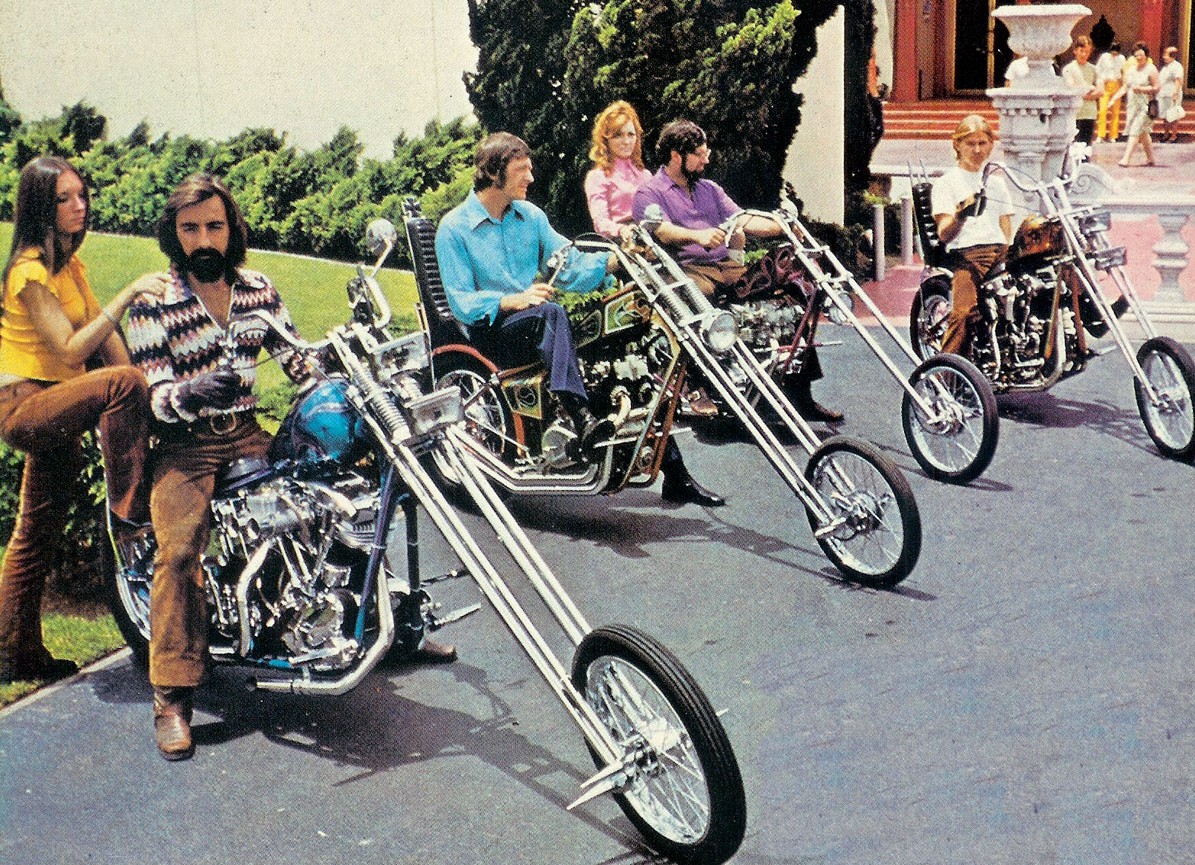
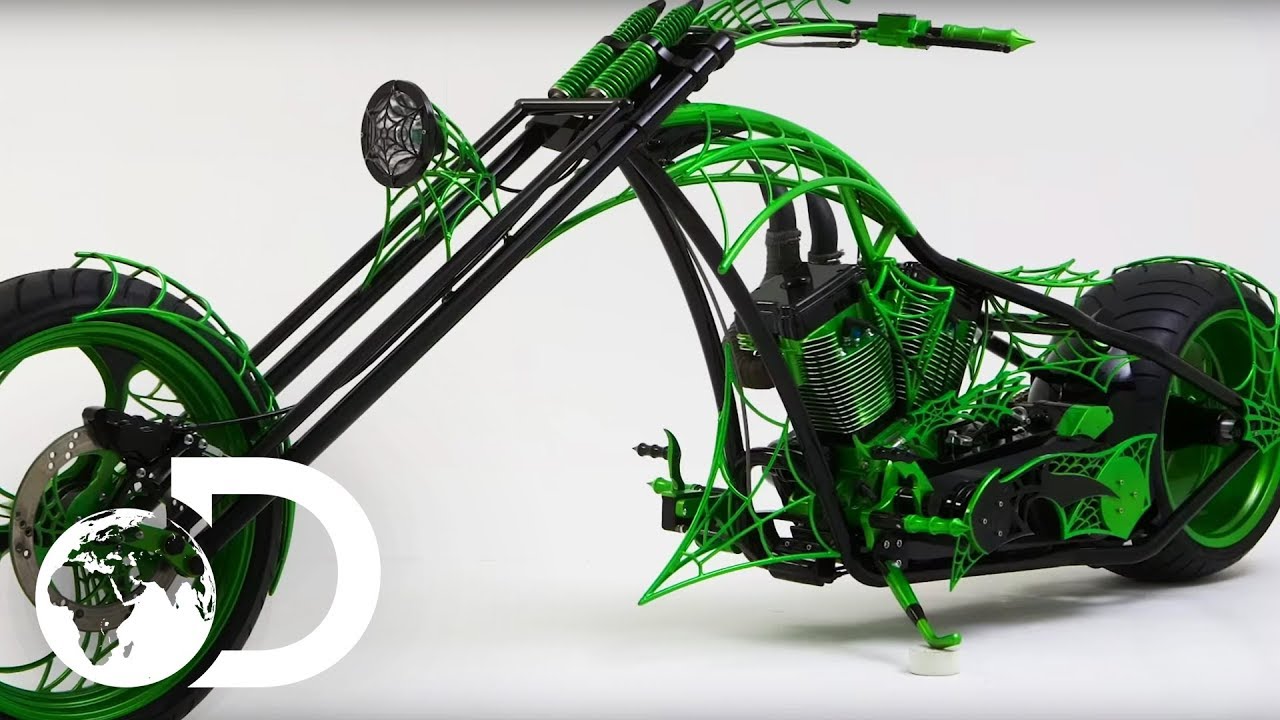
The motorcycles themselves are the beating hearts of these shows, and their designs tell two very different stories. American Chopper is synonymous with over-the-top, in-your-face customization. Think neon-lit frames, exaggerated proportions, and designs that scream for attention. The Teutul garage is a playground for the absurd, where motorcycles aren’t just vehicles—they’re statements. Whether it’s a chopper built for a celebrity or a commission that pushes the limits of engineering, American Chopper revels in excess.
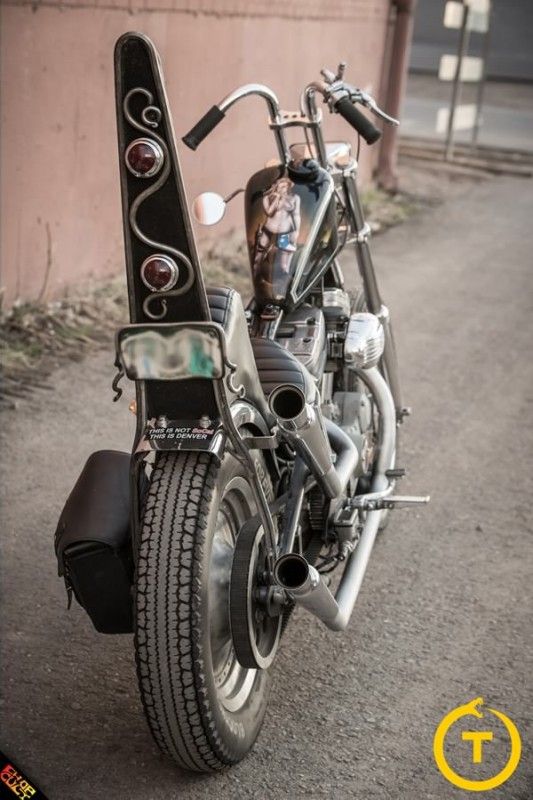
Garage Squad, meanwhile, leans into subtlety and sophistication. The bikes that roll out of their garage are sleek, functional, and often understated in their beauty. There’s a focus on innovation—whether it’s integrating modern tech into classic designs or solving complex engineering challenges with elegance. The builds here feel like they belong in a gallery, not just a showroom. It’s customization with a conscience, where form follows function in the most refined way possible.
The Drama: Conflict vs. Collaboration
No discussion of these shows would be complete without addressing the elephant in the room: drama. American Chopper built its empire on it. The Teutul family’s explosive arguments, the public fallouts, the behind-the-scenes whispers—it’s all part of the package. The show thrives on tension, turning what could be a simple customization project into a primetime soap opera. For better or worse, the drama is what keeps viewers coming back, hungry for the next blowup.
Garage Squad flips the script entirely. There’s no manufactured conflict here, no screaming matches that feel like they’ve been scripted for maximum outrage. Instead, the drama is organic—moments of frustration, triumphant breakthroughs, and the occasional clash of personalities that’s resolved with a handshake and a laugh. It’s a testament to the show’s commitment to authenticity, proving that you don’t need chaos to create compelling television. Sometimes, the quiet moments are the most powerful.
The Legacy: Which Show Leaves a Lasting Impact?
Both shows have left indelible marks on the world of motorcycle customization, but their legacies diverge in fascinating ways. American Chopper is a cultural phenomenon, a show that transcended its genre to become a pop culture staple. Its influence can be seen in everything from reality TV’s obsession with drama to the way custom bikes are marketed today. The Teutuls didn’t just build motorcycles; they built a brand, a family dynasty that’s as much a part of the show as the bikes themselves.
Garage Squad, while newer, is carving out its own niche. It’s a show for the purists, the enthusiasts who appreciate the artistry of customization without the theatrics. Its legacy lies in its ability to elevate the craft, proving that a motorcycle can be both a work of art and a functional machine. In a world where reality TV often prioritizes spectacle over substance, Garage Squad is a refreshing reminder that great television can be built on skill, teamwork, and a shared passion.
Who Wins the Customization Crown?
So, is Garage Squad better than American Chopper? The answer, as with most things in life, depends on what you’re looking for. If you crave drama, larger-than-life personalities, and motorcycles that defy convention, then American Chopper is your show. It’s loud, brash, and unapologetically chaotic—a rollercoaster of emotions where every episode feels like a high-stakes gamble.
But if you prefer your customization with a side of sophistication, where the focus is on the craft rather than the conflict, then Garage Squad is the clear winner. It’s a show that respects its audience, delivering substance without sacrificing entertainment. The bikes are stunning, the personalities are endearing, and the builds are nothing short of inspirational.
Ultimately, both shows have their place in the pantheon of motorcycle television. One is a wild ride through the chaos of family and creativity; the other is a masterclass in precision and teamwork. The real question isn’t which is better—it’s which one speaks to you. So, which garage will you park your loyalty in?