In the realm of motorcycling, certain machines transcend mere transportation and evolve into icons that echo through the corridors of time. The 1984 Harley-Davidson Sportster epitomizes this phenomenon—a striking amalgamation of raw power, classic design, and a storied heritage that continues to captivate enthusiasts and collectors alike. This model does not just promise a ride; it promises an experience that challenges conventional notions of style and performance, beckoning riders into a world where tradition intersects with an unyielding pursuit of individuality.
The 1984 Harley-Davidson Sportster is an invitation to explore a different paradigm of motorcycling—a realm where mechanical simplicity meets aesthetic refinement. At the heart of its allure lies the iconic Evolution (Evo) engine, a powerplant that redefined Harley’s engineering ethos in the early 1980s. This air-cooled, 45-degree V-twin engine, renowned for its reliability and robust torque delivery, marked a significant evolution from the Ironhead engines that preceded it. The Evo’s displacement, typically 1000cc in the Sportster lineup, delivers a potency that is both exhilarating and accessible, ensuring that the bike can engage novices and veterans alike.
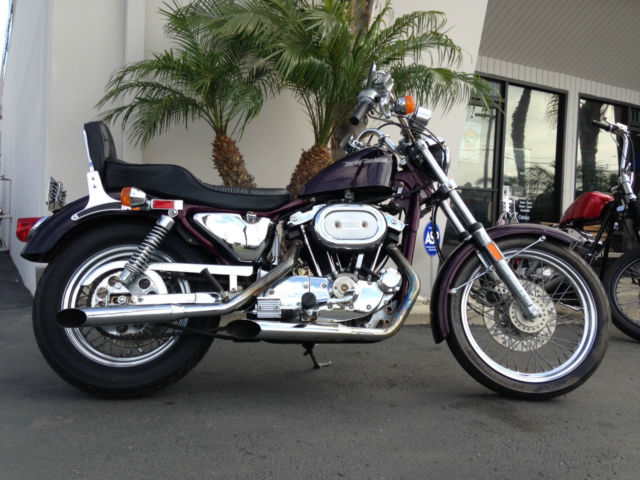
Yet, power is only part of the narrative. The 1984 Sportster is a masterclass in design restraint and purposeful simplicity. Its silhouette, characterized by a low-slung fuel tank, minimalist fenders, and a narrow seat, evokes a raw and primal aesthetic. This stripped-down form not only amplifies the bike’s muscular persona but also offers a nimble and responsive riding experience. Every curve and contour serves a purpose, from the classic peanut tank that nods to Harley’s rich lineage, to the exposed twin shocks that preserve the muscular stance while maintaining ride comfort.
One cannot discuss the 1984 Harley Sportster without delving into its chassis dynamics. The Sportster frame, constructed with a single downtube, exemplifies a marriage of rigidity and lightness. Coupled with telescopic front forks and twin rear shocks, the bike delivers an agile handling characteristic that belies its substantial displacement. This interplay of frame geometry and suspension components crafts a riding experience simultaneously confident and intoxicatingly visceral. It’s a machine that invites the rider to lean into corners and carve through asphalt with precision and flair.
The cultural resonance of the 1984 Sportster extends beyond its mechanical virtues. It symbolizes a distinctive philosophy in motorcycling—a yearning for authenticity in an era increasingly dominated by technological complexity. While modern motorcycles often prioritize electronics and digital interfaces, the 1984 Sportster lays bare the mechanical soul, demanding an intimate connection between rider and machine. Each twist of the throttle, each shift of the gearbox, reverberates with tactile feedback and mechanical honesty, cultivating a symbiosis that is elusive in contemporary counterparts.
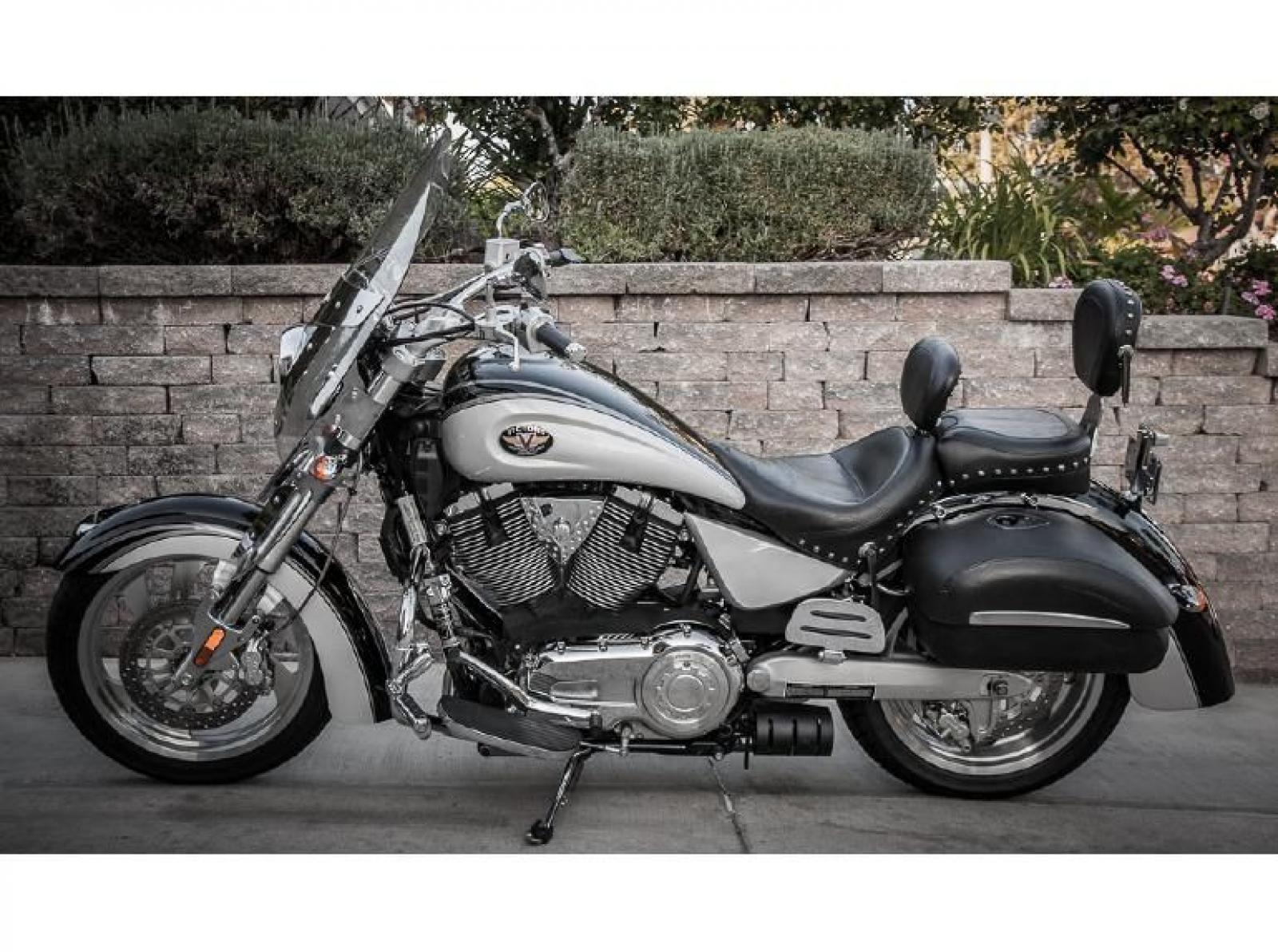
Moreover, the Sportster’s timeless styling encapsulates an aesthetic philosophy that eschews fleeting trends. Its monochromatic paint schemes, often in deep hues such as black or metallic burgundy, are punctuated by chrome accents that glint in the sunlight—a visual testament to craftsmanship and understated elegance. The instrumentation is straightforward yet purposeful: an analog speedometer paired with a minimal set of gauges ensures the rider’s focus remains undistracted, attuned to the raw mechanics underfoot.
The 1984 model is also notable for its adaptability and personalization potential. Harley-Davidson enthusiasts have long celebrated the Sportster platform as an ideal canvas for customization. The clean lines and accessible components invite modifications ranging from aesthetic flourishes to performance enhancements, enabling riders to sculpt machines that mirror their individual identity and riding style. This propensity for personalization underscores the cultural vitality of the Sportster lineage, fostering a community united by passion and creativity.
Underpinning the 1984 Sportster’s appeal is its historical context—a pivotal period for Harley-Davidson when the company was reclaiming its position in the marketplace amid intensifying global competition. The introduction of the Evolution engine was a landmark moment, addressing reliability issues of previous models and restoring consumer confidence. The Sportster, with its blend of tradition and innovation, became emblematic of Harley’s resurgence and ambition, reasserting the brand’s commitment to delivering motorcycles that resonate emotionally and functionally.
Perhaps most intriguing is the way the 1984 Sportster challenges the rider’s perspective on what a motorcycle can be. It does not conform to the spectacle of extreme horsepower or gadgetry-laden dashboards. Instead, it offers an experience grounded in elemental motorcycling virtues—sound, sensation, and style. The deep rumble of the V-twin engine is not merely noise; it is a sonic signature that stirs a primal connection to the road. The bike’s tactile interfaces compel attentiveness and skill, transforming every journey into a personal narrative of exploration and mastery. This reframing fosters a deeper appreciation for simplicity amidst an age of excess.
In retrospect, the 1984 Harley-Davidson Sportster emerges as more than just a motorcycle; it is a cultural artifact that encapsulates an era, a mindset, and a dedication to timeless principles. Its enduring legacy is etched not only in its design and engineering but in the hearts of those who ride it. With its clawing torque, minimalist charm, and historical significance, it commands respect and ignites curiosity among new generations of riders.
To ride the 1984 Sportster is to partake in an experience that transcends utility, inviting a profound shift in perspective. It beckons one to embrace the essence of motorcycling at its purest, where power is palpable, style is authentic, and every mile ridden is a passage through a living, breathing piece of history. This motorcycle is not merely a vehicle; it is a timeless declaration of freedom and individuality that continues to inspire and captivate, proving that true classics never fade—they only grow more compelling with each passing year.