In the pantheon of classic motorcycles, the 1985 Yamaha Maxim 700 and 750 models emerge as timeless embodiments of the cruiser ethos—vehicles that do not merely transport but transcend. They are akin to finely crafted symphonies on two wheels, their rhythm set by a throaty exhaust note and a frame that seems to breathe with the rider’s own pulse. These machines capture an era when motorcycles were sculpted not just for speed but for an experience marked by character, style, and sheer visceral appeal.
The Yamaha Maxim series, especially the 700 and 750 variants of 1985, represented a refined alchemy of engineering and aesthetics. At their core lies an engine—the heart that beats with the resonant power of a 699cc or 750cc inline four-cylinder, delivering a supple yet assertive thrust that incites both calm cruising and spirited bursts of acceleration. This engine’s mechanical cadence is not a cacophony; it is a deliberate sonnet, striking a balance between robustness and smoothness that few motorcycles of its time could claim.
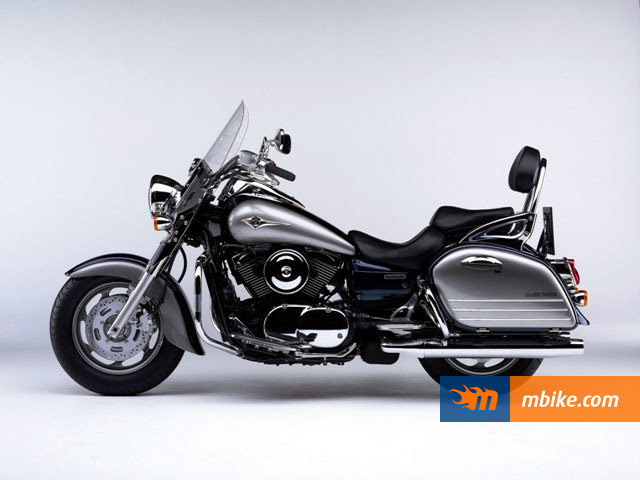
Mechanically, the Maxim offered a unique dual identity: a machine suffused with the reliability and polish typical of Japanese engineering, yet visually and emotionally tuned to evoke the classic American cruiser vibe. It married function with a deliberate form, where polished chrome accents glistened alongside matte finishes and sculpted lines that seemed to dive and soar simultaneously. The model’s silhouette is a study in purposeful design—long, low, and languid, like a slow-moving cat prowling with feline confidence beneath its rider.
The handling characteristics of the 1985 Maxim 700 and 750 were nothing short of enchanting. The chassis, with a relaxed rake angle and adequate trail, delivered a stable and forgiving ride that encouraged hours of uninterrupted exploration. The suspension absorbed imperfections in the road with commendable grace, creating the sensation of gliding over asphalt as if the bike were a well-oiled extension of the rider, rather than a cumbersome machine. Amidst this, the seating position fortified the bond between rider and machine—feet comfortably poised forward, spine upright yet relaxed, each element contributing to that coveted cruiser repose.
One cannot discuss these Maxim models without marveling at their aesthetic presentation. The 1985 iteration was a distinctive synthesis of chrome-laden nostalgia and modern styling—a motorcycle that effortlessly straddles the divide between past romanticism and contemporary practicality. The fuel tank’s voluptuous curves echoed the sensual appeal of a sculptor’s masterpiece, inviting caresses and commanding attention in equal measure. Meanwhile, the broad, cushioned saddle comfortingly harbored the rider, suggesting long, unhurried journeys beneath open skies, the kind that give time to thought and space to spirit.
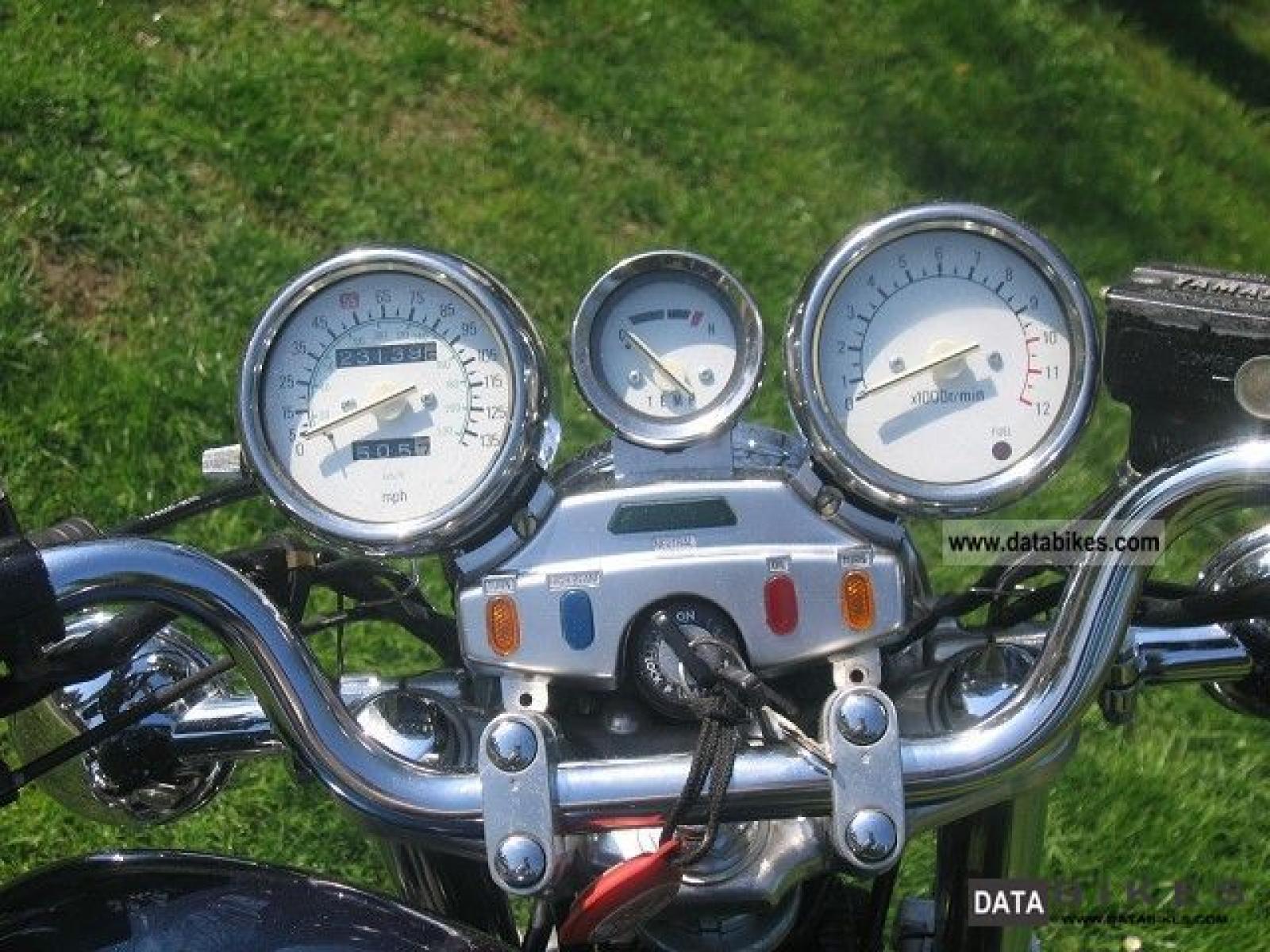
In terms of instrumentation, the Maxim stayed true to simplicity without sacrificing utility. The gauges were neatly arranged, with bold numerals and classic needle indicators that communicated essential data at a glance, evoking the analog charm lost in today’s digital deluge. The instrumentation was more than functional; it was tactile poetry—each twist of the throttle, each flicker of a dial sector narrating the rider’s ongoing dialogue with machinery and road.
Beyond its mechanical and aesthetic allure, the Maxim 700 and 750 hold a unique cultural resonance. These were motorcycles crafted for those who understand the journey is as meaningful as the destination. They are the rolling embodiment of an era when cruising was a statement—a declaration that the road was not just a path to traverse, but an open canvas for personal expression. These bikes appealed to riders who craved romance in rust and the gentle hum of nostalgia beneath the roar of the engine.
The soundscape of a Maxim in motion is an aria unto itself. Its exhaust note is deep, authoritative yet musical, like a baritone singer with a secret smile. The vibration transmitted through the handlebars and footrests is neither jarring nor absent—it is just enough to remind the rider of the mechanical heart beating beneath them, a pulse that syncs effortlessly with the rhythm of the ride. It transforms even mundane stretches of pavement into epic landscapes, mountainous or urban, infused with tangible emotion.
The 1985 Yamaha Maxim’s appeal endures because it embodies qualities that modern motorcycles sometimes overlook: character, mechanical artistry, and an enduring promise of connection. It is not merely a transportation device; it is a ground-bound muse. A machine that invites contemplation and adventure, nostalgia and novelty—sometimes all at once. For those who ride or admire motorcycles, it represents a tactile echo of a simpler, more soulful age.
As the sun sets and the road fades into shadow, the Maxim stands as a testament to the craftsmanship and vision that motorcycle design can aspire to. It beckons riders to slow down, to revel in the tactile pleasures of the ride, to experience the interplay of velocity and stillness, power and grace. In the modern world, overwhelmed by gadgets and gadgets’ ceaseless demands, the Maxim offers a profoundly refreshing alternative: the essence of cruising distilled into its purest, most poetic form.