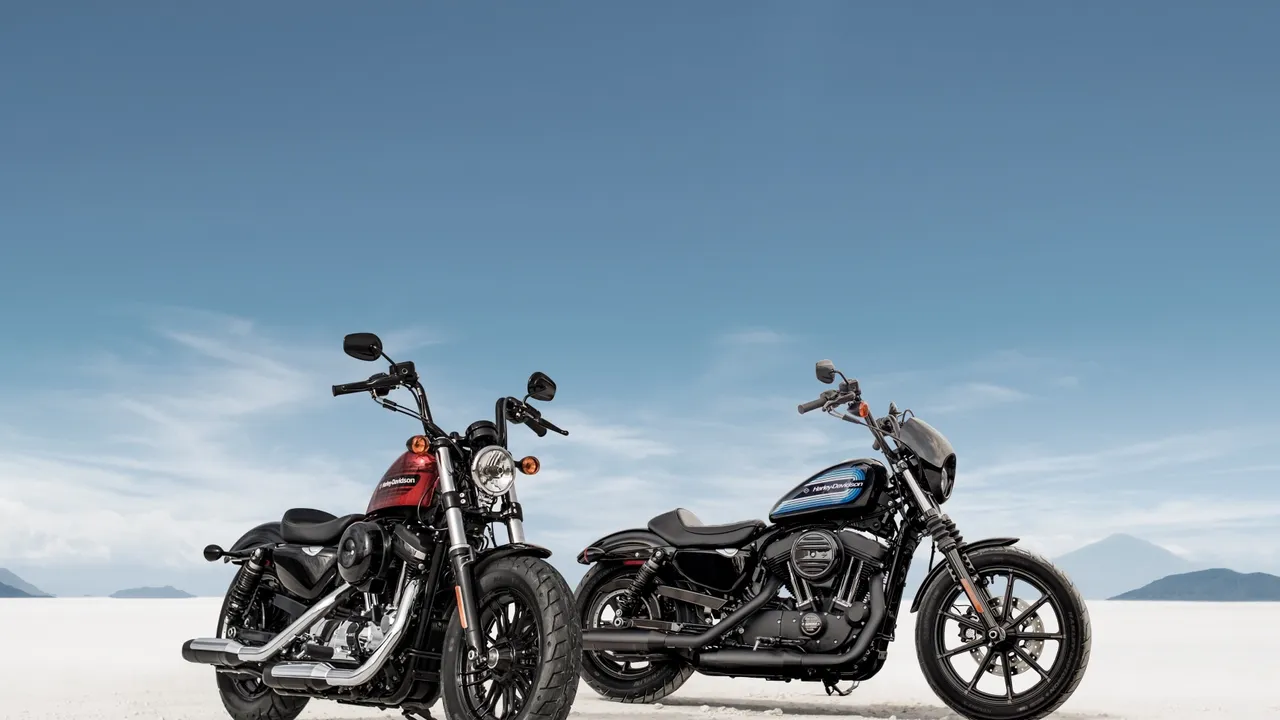
The 1991–1992 Harley Sportster lineup, specifically the 883 and 1200 models, stands as a compelling dichotomy deeply rooted in motorcycling lore. Much like a spirited dance between two contrasting partners, these motorcycles embody distinct characters that beckon different types of riders. Choosing between the two is akin to deciding whether to relish a hearty, robust meal or savor an exquisitely delicate gourmet dish. Both offer an experience steeped in classic Harley Davidson heritage, but each carves its own niche within the iconic Sportster legacy.
At the heart of the matter lies the fundamental difference in engine displacement: the 883 cc versus the 1200 cc V-twin powerhouses. This mechanical distinction is a crucible that shapes every facet of the riding experience, from acceleration and torque to sound and handling. The 883 engine is like a poet’s whisper—balanced, approachable, and eloquent—while the 1200 roars with the commanding gravitas of a seasoned raconteur, delivering a thrilling surge that stirs the soul.
The 883 Sportster, often celebrated as the quintessential entry point into the Harley world, offers a lightweight, nimble frame that appeals to those who value agility and precision. Weighing in marginally less than its larger sibling, the 883’s manageable heft invites a confident embrace, rendering it ideal for urban environments and winding roads alike. Navigating through traffic or carving out serpentine turns becomes a ballet of control and finesse. This model’s character is best appreciated by riders who prize responsiveness over brute force—a motorcycle that encourages a harmonious connection between man and machine.

Contrastingly, the 1200 Sportster is a symphony of muscle and endurance. The increased displacement manifests as a pronounced boost in torque, delivering a forceful thrust that is both exhilarating and commanding. It is the motorcycle for those who chase the horizon with an insatiable hunger for power and presence. The 1200’s robust engine translates to superior straight-line speed and an imposing performance persona—qualities that resonate with riders eager to experience Harley’s signature rumble in its full-throated glory.
Yet, beyond the mechanical chasm, both models share a lineage steeped in tradition and craftsmanship. They sport the iconic peanut-shaped fuel tank, the minimalistic yet purposeful chassis, and the quintessential Harley-Davidson silhouette that has become emblematic of American motorcycling culture. Their steel frames, exposed mechanical components, and retro aesthetic create a tableau that fuses nostalgia with raw, unfiltered emotion—an open invitation to the rider’s senses.
A nuanced evaluation of the 1991–1992 Sportster 883 versus the 1200 would be remiss without considering maintenance and customization potential. The 883’s simplicity lends itself well to first-time Harley owners and those who appreciate economical upkeep. Its smaller engine size generally equates to less frequent maintenance and more manageable repair costs. Moreover, the 883 is often regarded as a canvas for customization; its smaller frame and versatility enable riders to mold their bikes into personal statements—be it through solo seats, ape hangers, or minimalist bobber transformations.
On the other hand, the 1200’s higher performance demands a more vigilant maintenance regimen, but it rewards this diligence with a reputation for durability and reliability. The increased power also opens doors to aftermarket enhancements tailored toward high performance—larger carburetors, upgraded exhausts, and precision tuning become accessible avenues for those who desire a Sportster that matches their own ambition and riding style.
The auditory signature of these motorcycles is another realm where the 883 and 1200 assert their individuality. The 883 offers a lower decibel, steady thump that is deliberate and rhythmic—a heartbeat in mechanical form. Its exhaust note is subtle yet unmistakably Harley, suited for riders who prefer a less conspicuous presence on the road. Conversely, the 1200 emits a sonorous growl that commands attention. This engine’s voice is the equivalent of a jazz trumpet call—bold, expressive, and impossible to ignore, turning heads and stirring emotions wherever it roams.
Riding dynamics further delineate these two machine spirits. The 883’s moderate power delivery facilitates an engaging yet forgiving ride. Newcomers appreciate the ease with which it can be controlled without sacrificing the exhilaration innate to Harley motorcycles. Its chassis geometry is tailored to produce a balanced stance—encouraging spirited agility in urban landscapes or a leisurely glide down country lanes. Meanwhile, the 1200’s enhanced torque invites a more aggressive riding posture and behavior. It thrives on open highways where its prowess can be unleashed and appreciated in full measure. This Sportster is less about nimbleness and more about commanding presence, a motorcycle that proffers an intense, visceral connection between rider and machine.
In the grand tapestry of Harley-Davidson’s motorcycling saga, the 1991–1992 Sportster 883 and 1200 models stand as two evocative chapters—each narrating a unique exploration of freedom, power, and style. Selecting the “best buy” is not merely a question of engine size or specifications; it is an intimate decision dependent on one’s riding aspirations, personality, and relationship with the open road. For the rider who values cultivating a nuanced, responsive connection with their motorcycle, the 883 becomes a trusted companion—a reliable, eloquent storyteller. For the enthusiast who seeks the unfiltered thrill of raw power and a commanding road presence, the 1200 represents an untamed spirit ready to roar.
Ultimately, the choice between the 1991–1992 Harley Sportster 883 and 1200 is less about superiority and more about symbiosis. They are distinct verses in the same ballad of motorcycling excellence, each offering a uniquely poetic ride. Whether one gravitates toward the silky cadence of the 883 or the thunderous crescendo of the 1200, both models remain immortalized as embodiments of Harley-Davidson’s enduring legacy.