The 2006 Suzuki GSX-R600 has long held a revered position in the realm of sportbikes, captivating enthusiasts with its blend of agility, precision, and raw power. One query that consistently arises among aficionados and casual riders alike is: How fast is the 2006 GSX-R600 really? More intriguingly, does its top speed still hold up in today’s ever-advancing motorcycle landscape? This exploration delves into these questions, uncovering the allure behind its velocity and the reasons for its sustained fascination over a decade later.
At the heart of the 2006 GSX-R600 is a 599cc, inline four-cylinder engine, meticulously engineered to balance exhilarating performance with agility and control. This powerplant, revered for its smoothness and responsive throttle, produces approximately 104 horsepower at 13,500 rpm—figures that enabled the GSX-R600 to carve a niche in the highly competitive middleweight sportbike category. But raw horsepower alone doesn’t dictate top speed—numerous dynamic factors interplay to determine the ultimate velocity achievable on a given model.
When recently assessed, the 2006 GSX-R600 boasts a top speed hovering around 165 mph (265 km/h). Such a figure might seem modest when juxtaposed against some liter-class superbikes or the rapid advances of new-age motorcycles boasting throttle-by-wire and aerodynamic refinements. However, this velocity is a testament to the flawless engineering harmonizing the bike’s chassis, engine, and aerodynamics to produce not just speed, but a thrilling riding experience.
One reason this top speed remains impressive today is the remarkable attention paid to the bike’s weight-to-power ratio back in 2006. Weighing just around 410 pounds with a full fuel tank, the GSX-R600’s lightweight nature provides it an enviable nimbleness. Acceleration and handling prowess allow riders to exploit corners and straights in tandem, often translating to faster lap times rather than pure speed-run supremacy. Speed is only one component of motorcycle performance, and here lies an important insight—top speed figures frequently overshadow the nuanced reasons enthusiasts prize such bikes.
The allure of the 2006 GSX-R600 extends beyond mere numbers. There is a psychological fascination with its capabilities, a magnetic pull that traces back to the roots of motorcycling culture. Mid-2000s sportbikes like this one represented an era of raw mechanical communion before the widespread advent of electronic rider aids. This era placed the rider’s skill front and center—power delivery, gear shifting, and cornering technique directly impacted the machine’s potential. Such visceral engagement remains captivating even in the age of digital sophistication.
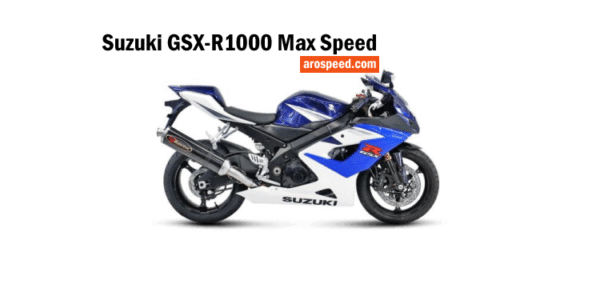
Moreover, the GSX-R600’s design harbors a refined aerodynamic silhouette, minimizing drag while enabling rich stability at higher speeds. Features such as the compact fairings, a sculpted front cowl, and a performant exhaust system contribute significantly. Even subtle facets like the windscreen angle and rider positioning affect airflow dynamics, granting the rider a more reliable and confidence-inspiring ride. These elements synergistically elevate the practical top speed, translating raw power into sustainable velocity.
Critics might argue that modern sportbikes boast more advanced technologies—from variable valve timing to advanced traction control systems—calling into question whether the 2006 GSX-R600’s top speed remains relevant. Yet, this viewpoint overlooks how the machine champions a purist philosophy: simplicity, mechanical reliability, and a direct connection between rider and machine. In many ways, the 2006 GSX-R600 defies obsolescence by epitomizing the essence of motorcycling, where skill and sensation govern more than dashboard figures.
In real-world conditions, the GSX-R600’s top speed might rarely be exploited fully. Urban environments, traffic conditions, and road regulations naturally constrain such exploits. Instead, riders find themselves enamored by the bike’s rapid throttle response and agile demeanor, factors that dramatically influence overall riding satisfaction. The sensation of acceleration, the precision in handling tight bends, and the auditory symphony of the inline-four engine spinning to the redline all contribute to the rider’s enthrallment.
Furthermore, the lingering allure of the 2006 GSX-R600’s performance lies in its adaptability. Whether navigating twisty country roads or carving through track sessions, this motorcycle delivers a well-rounded experience. Its top speed serves as an emblem of its engineering excellence rather than a pure benchmark. In this context, it becomes evident that fascination transcends pure numerical exaltation; instead, it stems from an intimate relationship fostered between the rider and machine.
The fascination with speed itself—especially in motorcycles—is an enduring human emotion. It speaks to our innate desire to push boundaries, to feel moments of transcendence, where time distorts and pure velocity reigns supreme. The 2006 GSX-R600, with its sterling combination of power, weight, and handling, appeals directly to this elemental craving. It radiates a sense of capability that instills confidence and exhilaration alike.
In conclusion, the 2006 Suzuki GSX-R600’s top speed is no mere relic of the past but a beacon that continues to shine in the current motorcycling landscape. While it may not eclipse the latest superbikes on paper, its velocity is impressive in context and underscored by a spectrum of qualities that enrich the riding experience. Ultimately, this motorcycle’s speed serves as both a practical performance indicator and a symbolic threshold—a testament to enduring engineering passion and the timeless thrill of speed.