When it comes to the realm of mid-sized sport motorcycles, Kawasaki has long been a formidable contender. The year 2006 presented enthusiasts with two notable offerings: the Kawasaki Ninja 650R and the Kawasaki Ninja 500R. While both motorcycles are stamped with the iconic Ninja badge and designed to appeal to riders seeking agility and performance, they embody distinct characteristics that cater to different riding styles, skill levels, and expectations. This comparison dives deep into the intricate details, dissecting performance metrics, design philosophies, technological features, and usability to establish which model truly claims supremacy.
Design and Ergonomics
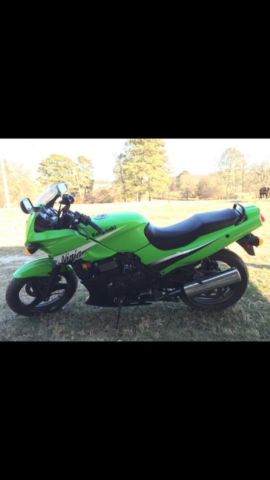
The visual and ergonomic appeal of a motorcycle often dictates first impressions and long-term rider satisfaction. The 2006 Ninja 650R exhibits a more aggressive and modern silhouette compared to the 500R. Its fairing is more aerodynamically sculpted, lending not only to aesthetics but also functional wind deflection at higher velocities. Meanwhile, the 500R’s design, although still sporty, retains a somewhat retro flair reminiscent of early 2000s styling cues.
Rider comfort significantly differentiates these two bikers as well. The Ninja 650R offers a relatively upright seating position that blends sportiness with touring comfort—a feature highly appreciated during longer rides. Contrastingly, the 500R adopts a slightly more leaned-forward stance, which some may find invigorating for spirited urban rides yet potentially taxing on longer journeys. The seat foam density and handlebar positioning on the 650R reflect Kawasaki’s intent to broaden its appeal to newcomers seeking both day-to-day usability and weekend excitement.
Engine and Performance Dynamics
Under the hood lies the heart of every motorcycle’s essence. The Ninja 650R is powered by a 649cc parallel-twin engine, a notable step up from the 498cc parallel-twin found in the 500R. The former produces approximately 68 horsepower, providing a substantial boost in acceleration and top-end speed capabilities compared to the 500R’s estimated 49 horsepower output.
This additional power enables the 650R to thrive not just on twisty backroads but also on highways where sustained higher speeds are requisite. The torque delivery of the 650R is more robust and linear, offering smoother throttle transitions and enhanced midrange punch. Conversely, while the 500R may seem underpowered in comparison, its lighter weight affords it nimble handling and a more approachable powerband for less experienced riders.
Transmission-wise, both motorcycles utilize a six-speed gearbox, but the 650R benefits from closer gear ratios tuned to exploit its broader power curve. This translates into a more exhilarating and flexible ride, particularly when negotiating variable terrain or overtaking slower traffic. The clutch feel and gear engagement on the 650R have been lauded for responsive feedback and reduced rider fatigue.
Chassis, Suspension, and Handling
Handling competency defines the heart of a sportbike. The 2006 Ninja 650R employs a trellis-style tubular steel frame that balances rigidity and compliance, fostering confident cornering and stability under braking. Its suspension components—comprised of telescopic forks up front and a Uni-Trak rear monoshock—are progressively damped to absorb road imperfections while maintaining sharp handling qualities.
The 500R, built with a more traditional steel twin-tube frame, offers a lighter overall curb weight, which enhances low-speed maneuverability, making it ideal for city environments or beginners honing their skills. However, it lacks some of the chassis refinement seen in the 650R, particularly during aggressive cornering or high-speed stability. The suspension setup is more basic, resulting in a slightly harsher ride over rough surfaces but effectively economical in maintenance terms.
Braking and Safety Features
Safety is paramount, and braking performance distinguishes confident stopping power. The Ninja 650R boasts dual front disc brakes that provide ample stopping force with minimal fade, coupled with a single rear disc brake. The inclusion of optional or standard ABS (depending on market and trim) enhances rider confidence, especially in wet or unpredictable conditions.
The 500R is equipped with a single front disc and a rear disc brake system, offering competent stopping ability albeit with less outright power. The absence of ABS technology on many 500R models underscores its more entry-level orientation, requiring riders to exercise additional caution. Nevertheless, for most urban and casual riding scenarios, the 500R’s braking system is sufficiently robust.
Instrumentation and Technological Amenities
The cockpit of the Ninja 650R integrates a more contemporary instrumentation cluster featuring a combination of analog and digital gauges. This includes a tachometer, speedometer, fuel gauge, trip meters, and gear position indicator—a suite designed to enhance situational awareness and ride management.
In contrast, the 500R retains a more utilitarian gauge setup with basic analog dials supplemented by simple indicators. While functional, it lacks some of the refinement found in the 650R and may feel slightly dated to riders accustomed to modern digital interfaces. Neither model offers advanced rider aids such as traction control or riding modes, reflecting technology levels of the mid-2000s.
Fuel Economy and Practicality
Economy-minded riders will find much to appreciate in the 500R’s frugality, which translates to a marginally better miles per gallon figure compared to the 650R. The smaller engine displacement, combined with lighter weight, directly influences fuel consumption, making the 500R an attractive choice for commuters and budget-conscious riders.
The 650R’s increased power and weight naturally translate into somewhat higher fuel consumption, yet it remains reasonable within its class. Fuel tank capacities are comparable, enabling respectable riding ranges before refueling is necessary. Both motorcycles offer practical storage possibilities and maintain Kawasaki’s reputation for reliability and ease of maintenance.
Which One Wins?
The verdict between the 2006 Kawasaki Ninja 650R and the Ninja 500R ultimately hinges on the rider’s priorities and experience level. The 650R emerges as the more compelling choice for enthusiasts seeking a versatile motorcycle capable of dynamic performance, comfortable touring propensity, and enhanced technological flair. It is a substantial upgrade in power and sophistication, suitable for riders ready to explore the boundaries of mid-sized sportbike capabilities.
Conversely, the 500R excels as a lightweight, manageable, and economical option, making it an ideal entry point for newcomers or urban riders who desire spirited handling without the intimidation of higher horsepower machines. Its simplicity and classic styling also endear it to those who favor a back-to-basics approach without sacrificing the Ninja pedigree.
In essence, the 2006 Ninja 650R wins on performance, comfort, and technological advancement but at a higher price point and with a steeper learning curve. The 500R’s strengths lie in accessibility, nimbleness, and budget-friendly operation, ensuring it retains a devoted following. Selecting between these two hinges on an individual’s riding ambitions, skill, and the environments in which they intend to conquer the road.