The legend of Jesse James—outlaw, gunslinger, and folk hero—has long captivated the American imagination. But when the name is attached to a motorcycle empire like West Coast Choppers, the intrigue deepens. The question lingers in the minds of chopper enthusiasts and casual observers alike: Is Jesse James’ West Coast Choppers still in business? The answer isn’t a simple yes or no. It’s a story woven with ambition, innovation, and the relentless evolution of an industry that thrives on rebellion and craftsmanship.
The Rise of a Motorcycle Icon: From TV Star to Workshop Mogul
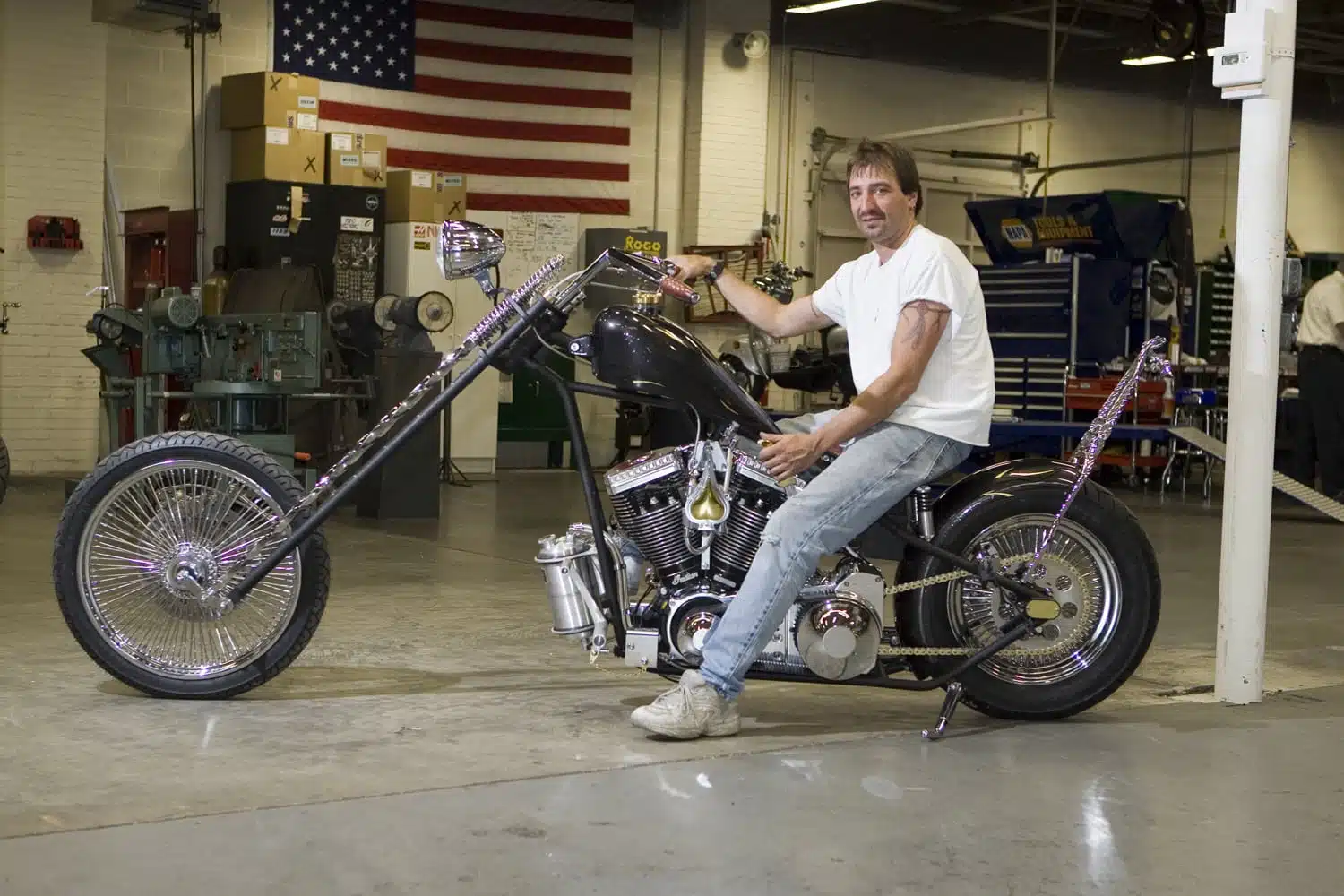
West Coast Choppers didn’t just emerge from the asphalt; it roared into existence on the back of a cultural phenomenon. Jesse James, the bespectacled, tattooed visionary with a knack for mechanical alchemy, turned his garage into a stage. Monster Garage, the Discovery Channel’s daredevil showcase, catapulted him from obscurity to household name. Viewers watched in awe as he transformed rusted hulks into gleaming, custom-finished beasts, each one a testament to his unorthodox genius.
The shop itself became a pilgrimage site for bikers and dreamers. Located in Long Beach, California—a city where the Pacific’s salt tang mingles with the scent of motor oil—West Coast Choppers embodied the West Coast’s rebellious spirit. It wasn’t just a business; it was a manifesto. James’ philosophy—“If you can dream it, we can build it”—resonated with a generation hungry for authenticity in a world of mass-produced conformity.
The Business of Rebellion: How West Coast Choppers Redefined Custom Motorcycles
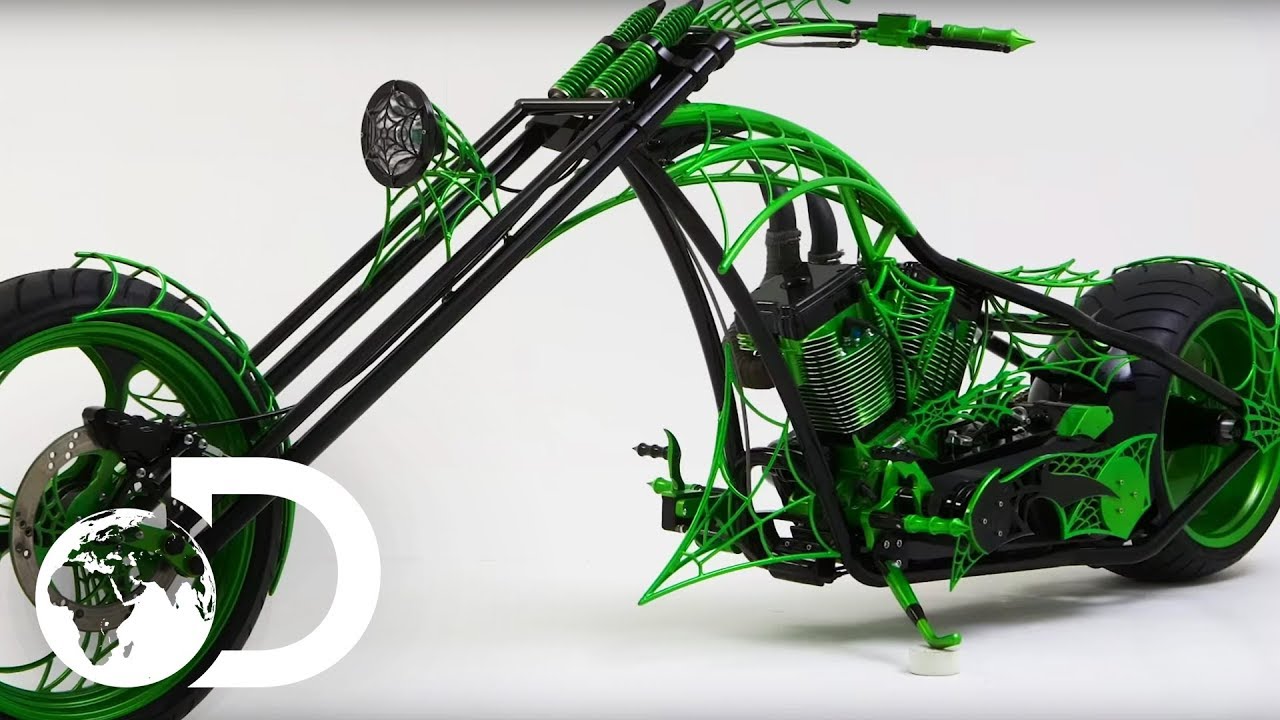
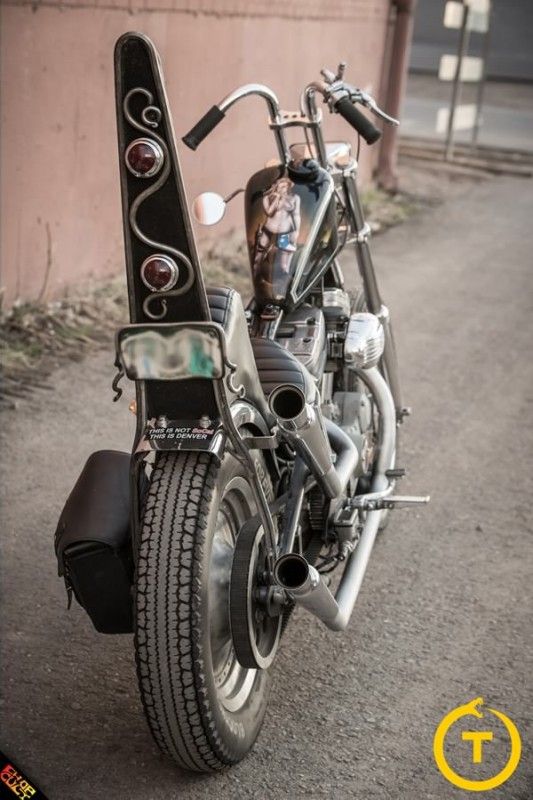
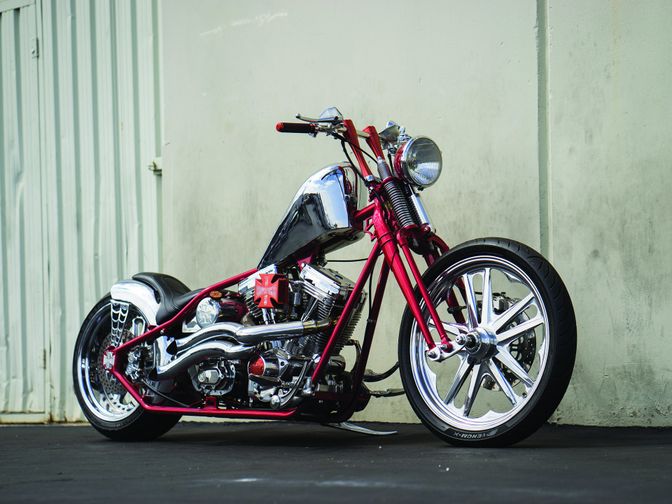
What set West Coast Choppers apart wasn’t just the bikes; it was the ethos. James and his team didn’t just build motorcycles—they crafted rolling sculptures, each one a fusion of raw power and artistic flair. Their signature style—chunky frames, exposed engines, and a palette of black and chrome—became instantly recognizable. Celebrities like Kid Rock and pro athletes clamored for custom builds, turning the shop into a status symbol.
Yet, the business model was as unconventional as the bikes themselves. West Coast Choppers thrived on exclusivity. Limited production runs, high-profile collaborations, and a refusal to compromise on quality ensured that every machine was a unicorn in a sea of ponies. But exclusivity comes with a price. The shop’s premium pricing meant it catered to a niche clientele, leaving the mass market to more accessible brands.
The Ebb and Flow of a Motorcycle Dynasty: What Happened to the Original Shop?
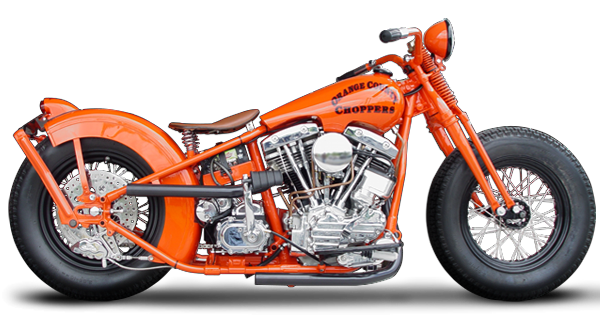
By the mid-2010s, whispers began to circulate. The original West Coast Choppers in Long Beach had closed its doors. The reasons were as layered as a custom paint job. Rising rents in a gentrifying city, the high cost of maintaining a bespoke operation, and the inevitable burnout of a 24/7 grind all played their part. James, ever the restless innovator, had already pivoted to new ventures, including a partnership with Orange County Choppers and a stint on Jesse James is a Dead Man.
Yet, the death of the original shop didn’t spell the end of the brand. Like a phoenix, West Coast Choppers rose from the ashes in new forms. Licensing deals, merchandise lines, and a global network of authorized builders kept the spirit alive. The name became a franchise, a symbol of a bygone era of motorcycle craftsmanship that refused to die.
The Digital Frontier: How the West Coast Choppers Legacy Lives Online
In an age where brick-and-mortar shops struggle to compete with e-commerce, West Coast Choppers found a second life online. Social media became its new showroom. Instagram feeds showcased custom builds in progress, while YouTube tutorials offered glimpses into the workshop’s inner workings. The brand’s digital presence ensured that Jesse James’ influence extended far beyond the confines of a single location.
But the internet also brought challenges. The rise of influencer culture diluted the exclusivity of the brand. Suddenly, every custom builder with a Facebook page claimed to be the next West Coast Choppers. James’ original vision—rooted in authenticity and craftsmanship—risked being overshadowed by the very trends he helped inspire.
The Deeper Allure: Why Jesse James’ Story Resonates Beyond the Bike
To ask whether West Coast Choppers is still in business is to scratch the surface of a much larger question: Why does Jesse James’ story captivate us? It’s not just about motorcycles. It’s about the myth of the self-made rebel, the underdog who defies convention. James’ journey—from a troubled youth to a television star to a business mogul—mirrors the classic American narrative, albeit with a twist of grease and chrome.
There’s also the allure of the workshop itself—a place where chaos becomes order, where scrap becomes art. The garage is a modern-day alchemy lab, where raw materials are transmuted into objects of desire. In a world of disposable culture, West Coast Choppers represents the antithesis: permanence, craftsmanship, and a refusal to bow to trends.
The Road Ahead: What’s Next for West Coast Choppers?
The future of West Coast Choppers is as unpredictable as a twist of the throttle. James has hinted at new projects, including potential expansions into electric motorcycles—a nod to the industry’s shift toward sustainability. There’s also the possibility of a physical revival, perhaps in a new location or as part of a larger motorcycle lifestyle brand.
Yet, the true legacy of West Coast Choppers may not lie in its business model or even its bikes. It lies in the inspiration it provided—a reminder that passion, when paired with skill and vision, can transcend the ordinary. Whether the shop is still in business or not, its spirit endures in every custom chopper that hits the road, in every dreamer who picks up a wrench, and in every story of rebellion that refuses to fade.