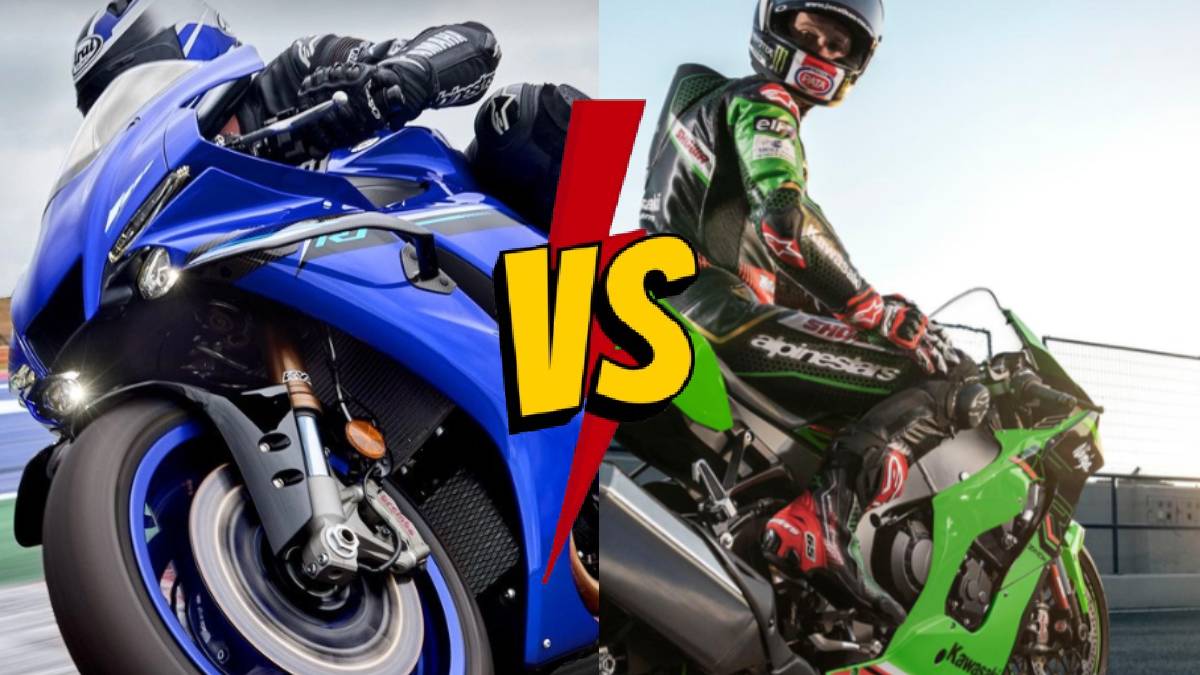
When it comes to the exhilarating world of superbikes, the 2007 Yamaha R1 and R6 present a fascinating dichotomy that begs a spirited question: which machine truly reigns supreme on both road and track? These two iconic motorcycles, released by Yamaha with precision and passion, each embody distinct philosophies that cater to different riding styles yet share a common legacy of innovation and performance. Embark on a nuanced journey through their engineering marvels, riding dynamics, and intrinsic character to unravel the enigma of supremacy that has enchanted enthusiasts for over a decade.
At first glance, the most palpable distinction between the Yamaha R1 and R6 of 2007 lies within the very essence of their displacements. The R1 flaunts a throaty 998cc inline-four powerhouse, designed to satiate the rider’s craving for high-octane speed and raw energy. It produces an impressive output of approximately 174 horsepower at 12,500 rpm, catapulting the bike into the realm of liter-class supremacy. Its humongous torque delivery ensures an explosive thrust from low to mid-range revs, giving the R1 a brutal yet controllable temperament. Conversely, the Yamaha R6’s 599cc inline-four engine delivers an agile 120 horsepower at 14,500 rpm, encouraging riders to dance with the tachometer in a symphony of precision. It’s a machine that thrives on revving out and maintaining a high-strung rhythm, rewarding finesse and tactical aggression with razor-sharp responsiveness.
The engineering philosophy behind each model distinctly tailors the riding experience. The R1 is a superb blend of brute force and technological sophistication. It comes equipped with advanced features for its era: a sophisticated fuel injection system, a six-speed transmission, and a light aluminum frame that strikes a delicate balance between rigidity and weight savings. This allows the R1 to engage in both street escapades and track sprints with equal aplomb. The chassis geometry and suspension setup exude a refined stability at high velocities, yet retain a manageable demeanor during sharp cornering and twisted bends.
On the other hand, the R6 epitomizes the essence of a true supersport — a razor-edged, ultra-lightweight contender built to excel in nimbleness and throttle control. Its slimmer frame and compact dimensions result in an astonishingly low curb weight, giving the rider an unparalleled sense of agility. This nimbleness is amplified by an advanced suspension system featuring adjustable front forks and a rear shock absorber, calibrated for immediate responsiveness and feedback. Such a setup enables the R6 to carve through corners with surgical precision, rewarding skilled riders with a tactile connection to the asphalt.
Delving deeper into the ergonomics and rider interface, the 2007 R1 adopts a slightly more aggressive yet still moderately comfortable stance, intended to optimize rider control during high-speed runs without sacrificing the ability to handle longer rides. The seat is sculpted to cradle the rider, and the clip-on handlebars offer an assertive positioning that balances aerodynamic efficiency with tactile feedback. Its instrumentation panel, while functional and straightforward, provides critical information without overwhelming the rider, emphasizing the bike’s utilitarian-sport ethos.
The R6, meanwhile, championed a pronounced race-oriented riding posture, featuring a more aggressively tucked-in cockpit. Its higher-mounted footpegs and lower handlebar position invite a forward-leaning stance, naturally positioning the rider for track domination. Such a geometry enhances control during rapid direction changes but can buckle under the strain during prolonged commutes, casting the R6 as a purist’s tool rather than a daily driver. The digital instrumentation complements this sporting character, delivering an array of precise metrics purposed for performance tuning and monitoring.
Another compelling dimension in the R1 vs R6 saga is braking performance. The 2007 R1 is equipped with dual front disc brakes complemented by radial-mounted calipers, providing exceptional stopping power and resistance to fade under demanding conditions. This robust braking system underscores the R1’s capacity to harness its explosive power safely, especially when decelerating from blistering speeds. Conversely, the R6’s braking system, though somewhat smaller in scale, utilizes dual discs up front as well, featuring top-tier caliper technology that instills confidence during rapid corner entries. Its relatively lighter weight translates to nimble stoppages with remarkable modulation, aligning with the bike’s ethos of precision rather than brute strength.
Technology, while not as advanced as today’s standards, played a significant role in differentiating the two. The R1 was among the pioneers to integrate emerging electronic aids into the superbike segment, such as an improved fuel injection system and upgraded engine management, which collectively enhanced throttle response and fuel efficiency. Meanwhile, the R6 focused its innovation more directly on the mechanical and chassis front — perfecting weight distribution, aerodynamics, and compactness to give riders an unfiltered connection to the machine and the road.
Yet, subjective riding enjoyment often transcends raw specifications. Whereas the R1 radiates a charismatic aura of domination, primed for those who demand an all-encompassing powerhouse capable of commanding various situations, the R6 whispers promises of deft handling and nimble mastery. It beckons riders with the allure of carve-happy, razor-sharp control that turns every canyon road into a playground. The choice between these two, therefore, is less about a numerical hierarchy and more an exploration of personal preference and intended use — one machine embracing wild, uncontained power; the other thriving on precise, surgical excellence.
In the end, which superbike reigns supreme? It depends on what kind of rider you are. If your heart quickens at the thought of explosive acceleration, massive torque, and technological bravado, the 2007 Yamaha R1 remains a titanic figure in the superbike pantheon. However, if you cherish the thrill of maintaining perfect corner lines, high-revving orchestration, and lighter, more nimble maneuvers, the R6 puts forth an offer that’s hard to refuse.
Both models, in their own right, have etched an indelible mark on motorcycle culture — each a testament to Yamaha’s relentless pursuit of performance and rider engagement. Whether it’s the R1’s uproarious vigor or the R6’s lithe agility, both marvels invite riders to step into their world and experience a visceral blend of speed, skill, and sophistication. And perhaps that, in itself, answers the playful challenge: supremacy is a spectrum, not a singular destination, measured not merely in specs, but in passion, preference, and the pursuit of the perfect ride.