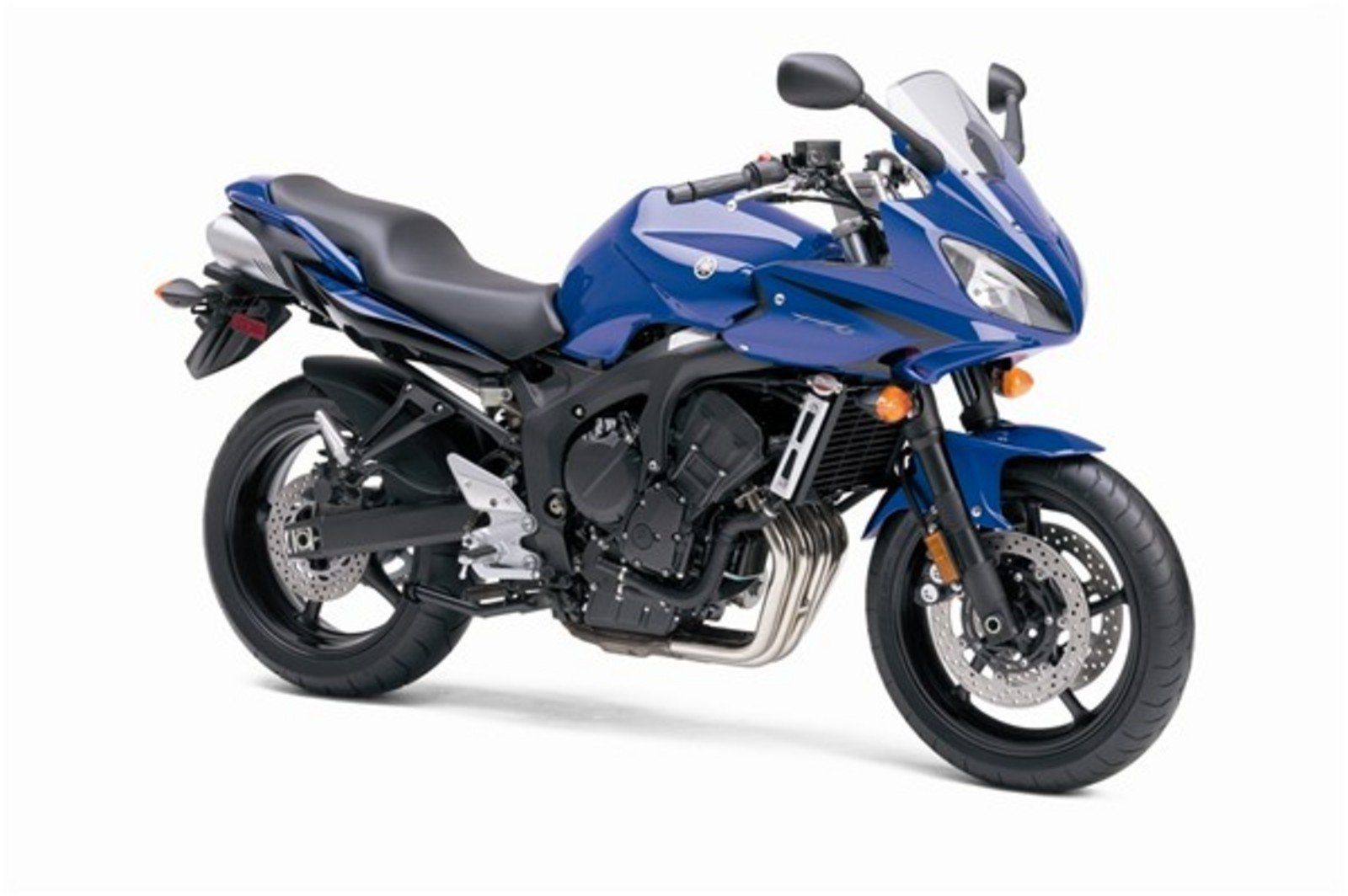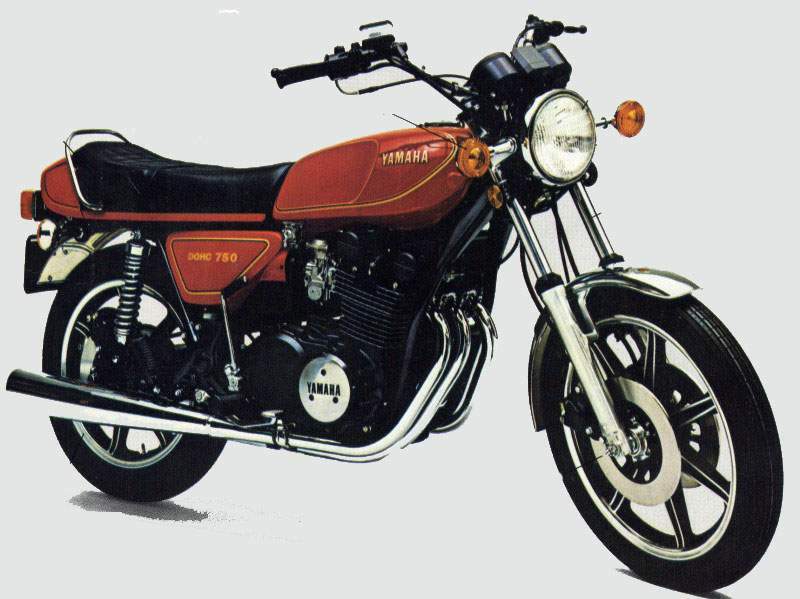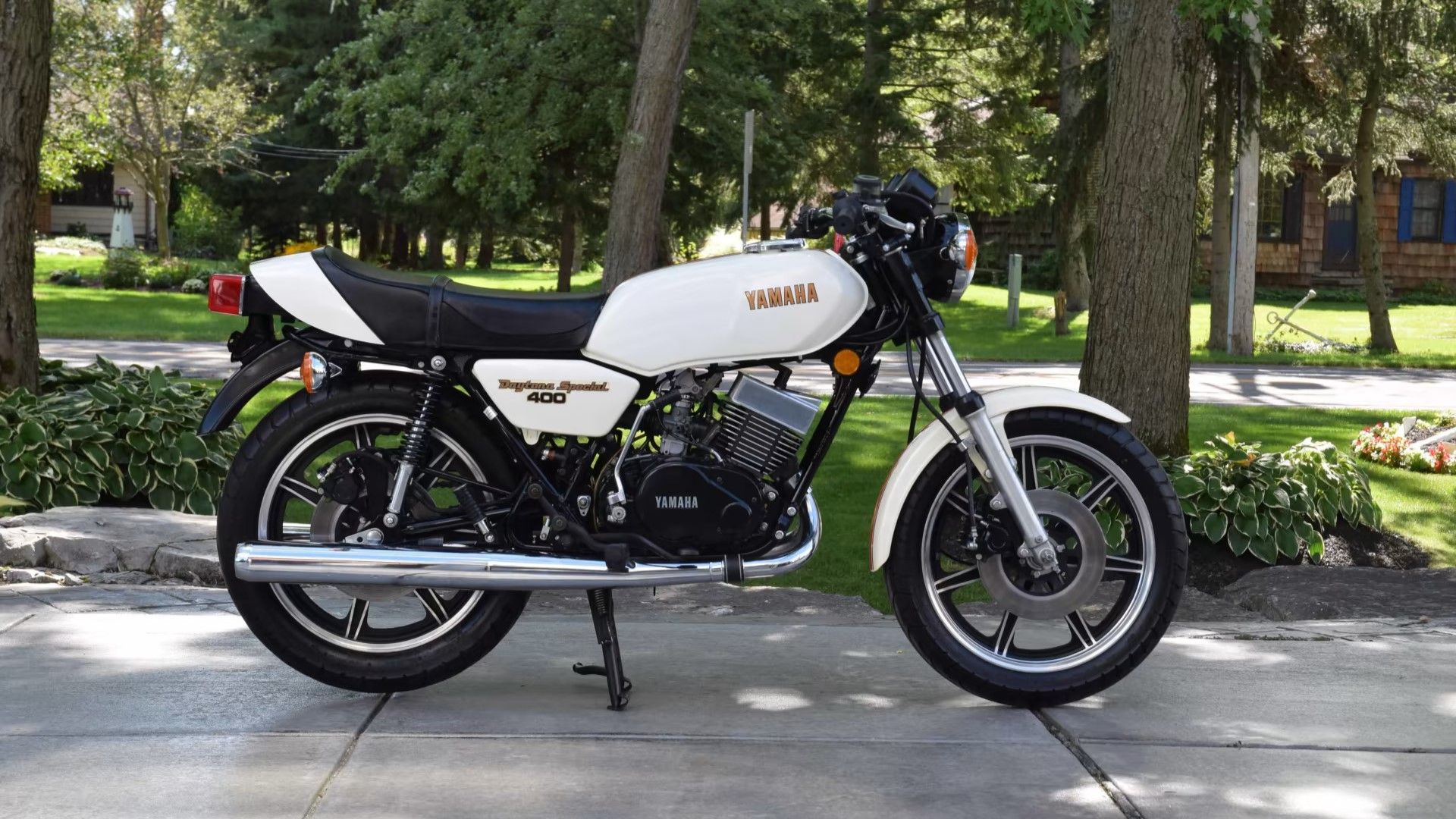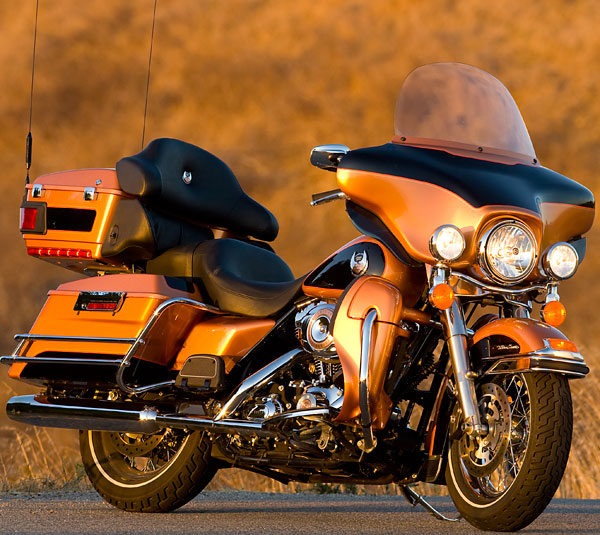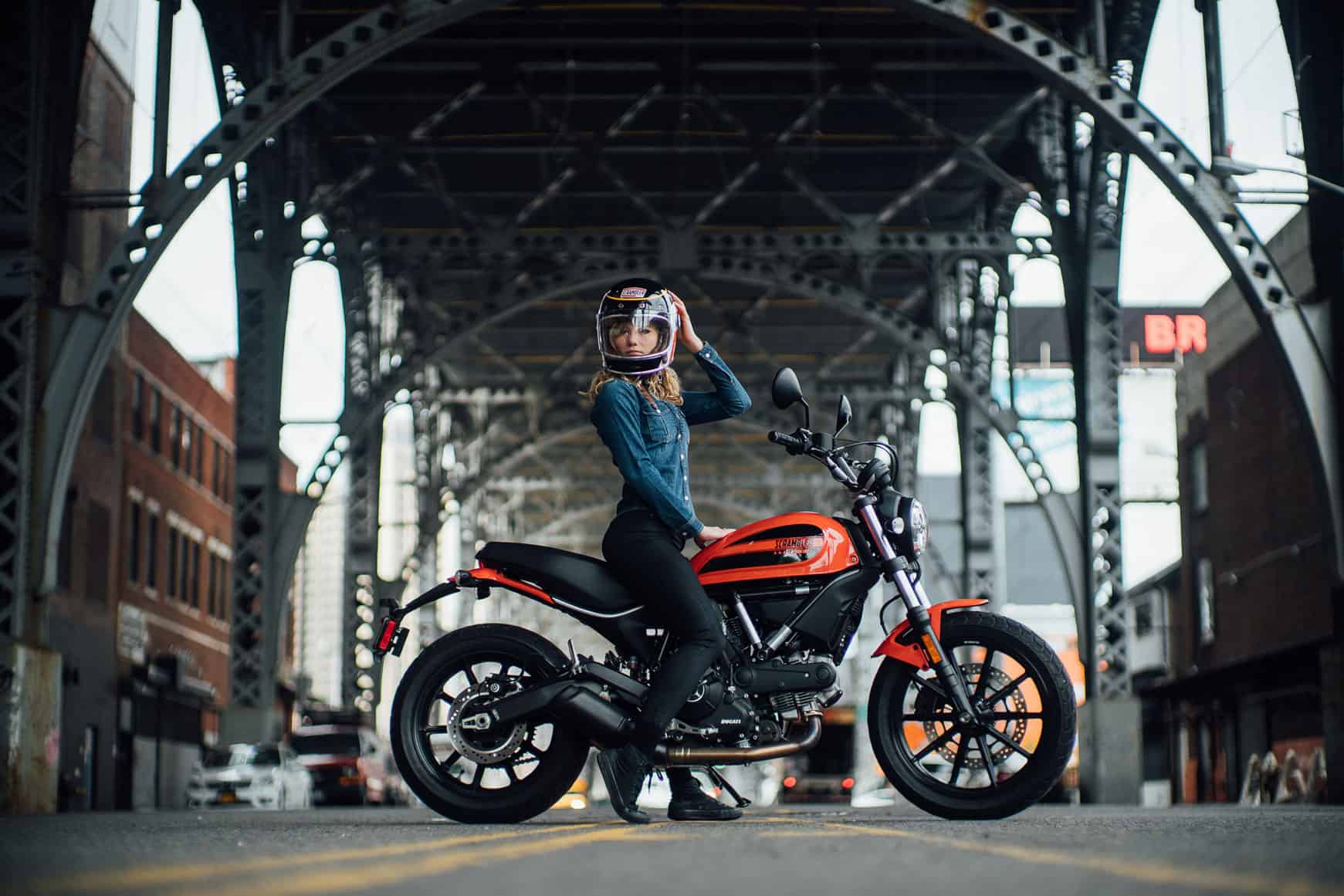
When envisioning the quintessential beginner motorcycle, many might instinctively conjure up images of sleek, modern machines bristling with the latest technology. Yet, nestled within the annals of the 1990s lies a segment of motorcycles that continue to defy the relentless march of time in both style and substance. The idea of beginner motorcycles from the 90s still being relevant today may seem counterintuitive at first, but a closer examination reveals a compelling case for their enduring appeal. These machines, forged in a decade marked by mechanical simplicity and robust engineering, promise a unique riding experience that contemporary bikes often struggle to replicate.
The 1990s were a transformative era for motorcycles, where the industry balanced analog reliability with the cusp of digital innovation. Beginner bikes of this period were designed with accessibility in mind, focusing on manageable power delivery, lightweight frames, and user-friendly ergonomics. Unlike some modern motorcycles, which are equipped with sophisticated electronics that can overwhelm new riders, these vintage vessels offer a purer, more tactile connection to the road. The inherent simplicity of 90s beginner motorcycles creates a platform that allows novices to truly understand the mechanics and feel of riding, rather than relying on electronic aids.
One of the remarkable attributes of 90s beginner motorcycles is their mechanical transparency. The carbureted engines, for instance, provide an educational entry point into engine tuning and maintenance. Riders can learn the art of adjustments and fine-tuning without the obscurity of complex fuel injection systems or sensor arrays. This hands-on approach cultivates not only riding skills but also a deeper mechanical literacy, providing an invaluable foundation for any enthusiast. The occasional quirks and idiosyncrasies of these machines foster a relationship of engagement and care, transforming ownership into a meaningful endeavor rather than a transactional interaction.
From a design perspective, 90s beginner motorcycles exude an aesthetic that is both nostalgic and timeless. The era was awash with distinctive styling that emphasized function meshed with flair—compact fairings, simple instrumentation, and clean lines dominated the scene. These designs have aged like fine wine; where some newer motorcycles seek to dazzle with futuristic looks, 90s machines possess an understated elegance, a kind of rugged charm that continues to captivate collectors and fresh riders alike. This blending of form and function is not merely ornamental. It reflects an era when motorcycles were crafted to be approachable yet imbued with enough character to be genuinely exciting.
The accessibility of these motorcycles extends beyond their physical attributes. Economics play a crucial role in their modern appeal. With depreciation long settled, many 90s beginner motorcycles are available at relatively affordable prices, especially compared to the steep entry costs of brand-new machines loaded with cutting-edge technology. For those embarking on the motorcycling journey on a budget, these vintage bikes offer a cost-effective gateway. Furthermore, their straightforward mechanical systems mean that maintenance and repairs can often be managed by the rider without exorbitant dealership fees.
But relevance is hardly just about affordability or nostalgia. The question of whether 90s beginner motorcycles hold up today also involves safety and performance considerations. While it’s true that modern motorcycles benefit from advancements like anti-lock brakes, traction control, and improved suspension systems, many of the 90s models were built with precision and reliability that should not be underestimated. For new riders prioritizing a gentle learning curve, the moderate power output characteristic of many 90s beginner bikes acts as a built-in safety feature, offering manageable acceleration and predictable handling. Owners who take care to upgrade tires and maintain mechanical components often find these motorcycles to be as dependable and secure as many newer counterparts.
Another aspect worth contemplating is the cultural resonance of riding a 90s beginner motorcycle today. These bikes are not just modes of transport; they’re conduits of a bygone spirit and ethos of motorcycling that modern machines sometimes lack. The sense of discovery, the intimate learning experience, and the tactile feedback they offer create a riding environment rich with sensory engagement. For many, the act of riding a 90s motorcycle can be likened to a form of nostalgic ritual, reconnecting with a purer, less complicated era in motorcycling history.
However, there are legitimate caveats to consider. The passage of time inevitably means wear and tear, potential scarcity of parts, and sometimes outdated ergonomics that might not suit everyone. Prospective riders must weigh these factors when considering a 90s beginner motorcycle, ensuring they conduct diligent inspections and maintenance. Yet, for those with an appetite for a project or a desire to cultivate a bond with their machine, these challenges are often incentives rather than detractions.
In an age dominated by rapid innovation and digital sophistication, the 90s beginner motorcycles carve out an intriguing niche. They invite a shift in perspective, challenging the notion that the latest is always the best. Instead, they offer a tactile, unfiltered experience that cannot be downloaded or simulated—a relationship between rider and machine grounded in analog reality. Their continuing viability as beginner motorcycles today is a testament to their thoughtful design, mechanical clarity, and timeless allure.
Ultimately, choosing a beginner motorcycle from the 90s involves embracing more than just a machine; it means stepping into a living piece of motorcycling heritage. It demands patience, curiosity, and a willingness to engage with the ride at a fundamental level. For those willing to embark on such a journey, the reward is an enriching experience that transcends mere transportation, linking past and present in the exhilarating dance of the open road. Far from being relics relegated to history books or collector’s garages, these motorcycles remain vibrant participants in the modern riding landscape, proving their worth time and time again.