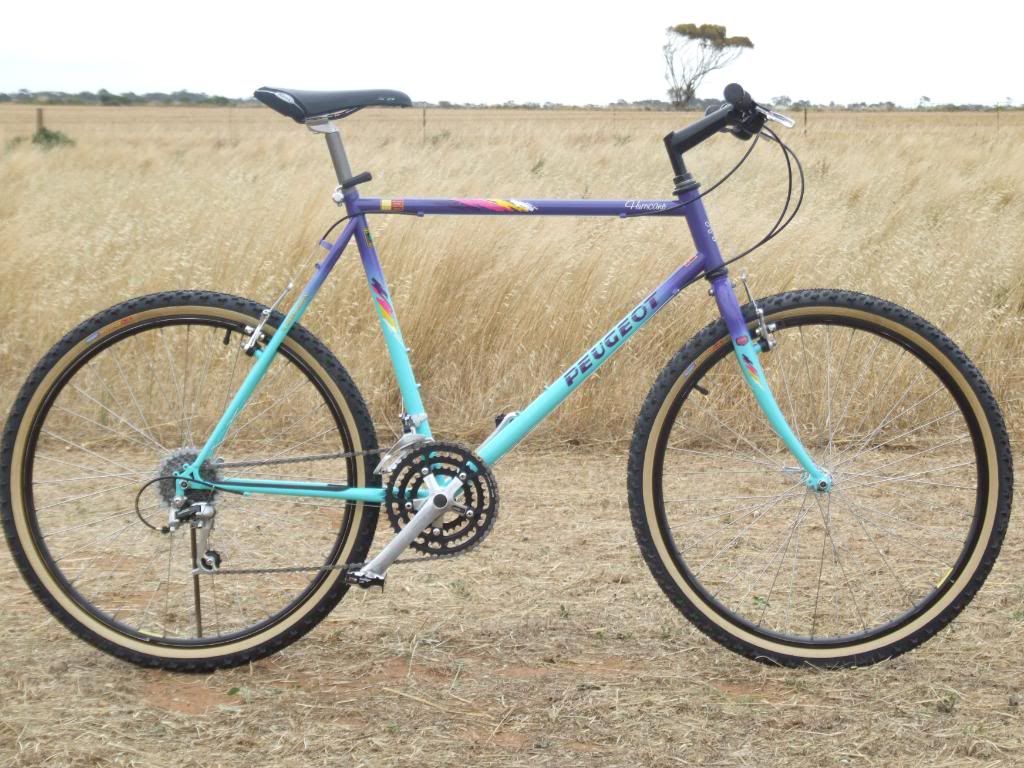
In the sprawling gallery of cycling history, the beginner bikes of the 1990s stand as timeless sculptures—each frame a testament to an era when mountain biking was blossoming into a cultural phenomenon. These bicycles, forged in an epoch that bridged the analog charm of the past with the cusp of digital innovation, possess a unique alchemy that still captivates enthusiasts today. Their appeal is not merely nostalgic but rooted in a robust practicality and design philosophy that, like vintage wine, has matured elegantly over time. The question lingers: Are the 90s beginner bikes still worth buying now, or are they artifacts best admired from afar?
The 1990s represented a crucial decade for cycling, especially for entry-level mountain bikes designed for aspiring riders stepping off the pavement and onto dirt trails. These machines were the chariots of a burgeoning outdoor movement, molded to introduce novices to the exhilarating world of off-road riding. Unlike their modern counterparts, these bikes typically featured steel or early aluminum frames, rigid forks or rudimentary suspension systems, and simple, yet dependable drivetrain configurations. This simplicity endowed them with a ruggedness and serviceability rare in contemporary, highly complex models. Each component whispered stories of durability and mechanical straightforwardness, offering newcomers a tactile, almost intimate connection with their machine.
One must consider the intrinsic design qualities that have allowed some 90s beginner bikes to age gracefully. The geometry often favored stability and comfort over aggressive performance metrics, which made them forgiving teachers for those learning balance and control. The frame tubes, sometimes oversized in the latter half of the decade, provided a sturdy backbone able to withstand the inevitable bumps and bruises of early trail riding. Components from well-regarded manufacturers imbued these bicycles with reliable shifting and braking—crucial factors for confidence-building. These were not mere sporting tools but invitations to explore, framed with an ethos of endurance and modesty.
The aesthetic charm cannot be overlooked. The visual language of 90s beginner bikes is steeped in bold colors, simple graphics, and an unpretentious utilitarianism. They wore their function on the outside with pride—no extravagant curves or gimmicks, just honest design. This distinct look conjures a palpable sense of adventure and freedom, often missing from cleaner, minimalistic modern bikes that sometimes veer toward a more sterile design paradigm. For collectors and riders alike, this visual identity offers not just a bicycle, but a symbol of an era when mountain biking was raw and electrifying.
When evaluating the current worth of these bicycles, practicality intermingles with emotion. Mechanically, many 90s beginner bikes boast vintage components that, while initially intimidating, are often modular and simpler to maintain than today’s electronically controlled drivetrains and complex suspension systems. This ease of upkeep appeals especially to those with a penchant for hands-on engagement. Additionally, parts for these classic bikes are still reasonably accessible through secondhand markets or dedicated vintage outlets—an ecosystem that sustains these machines beyond their original lifespan.
However, thorough consideration is required. Technology has undeniably progressed. Modern beginner bikes offer lighter frames, advanced suspension technology, and more precise gearing systems that enhance rider efficiency and comfort—features that a 90s bike might eloquently lack. Safety considerations have also evolved with improvements in brake systems, tire composition, and ergonomics. For a rider whose primary concern is performance and cutting-edge technology, newer models may prove more effective and suitable. Yet, for those who value a tactile and historical connection with their bike, the 90s models often hold an irreplaceable enchantment.
More than functional artifacts, these bikes serve as tangible portals to the ethos of 90s mountain biking culture—a culture defined by grassroots exploration and a DIY mindset. They are embodiments of a time when bikes were not just purchased but earned through a rite of passage, often shared among friends and family. Riding one today is akin to stepping into a living museum, where every creak and turn reconnects the rider with a simpler, purer riding experience. This metaphysical dimension adds layers of richness to the ownership experience, transforming an ordinary bike ride into an evocative journey through time.
From a collector’s standpoint, the value of well-preserved beginner bikes from this era has steadily increased. Vintage enthusiasts seek out models with original components, unique colorways, or brand legacies that carry historical weight. Restoring, customizing, or simply preserving these bicycles has become a niche yet passionate pursuit that celebrates craftsmanship and the enduring spirit of cycling. The tactile warmth of steel frames, the distinctive clunk of indexed shifters, and the unmistakable silhouette of early suspension forks all contribute to their status as prized collectibles.
Yet, it is essential to approach purchasing a 90s beginner bike with both romanticism and pragmatism. Knowing the provenance, inspecting frame integrity, and evaluating component condition are critical steps. Many of these bikes have weathered years of use and exposure, and without proper attention, their value and safety can deteriorate rapidly. Rejuvenating such a machine often entails not just a financial investment but a willingness to learn the quirks and nuances of older cycling technology.
Ultimately, the decision to invest in a 90s beginner bike today hinges on the rider’s aspirations. If the goal is to own a piece of cycling lore that delivers character, connection, and a unique riding experience, these bikes remain profoundly worthwhile. They transform every trail into a canvas painted with memories of an era when mountain biking was more than a sport—it was a wave of cultural momentum that reshaped how people interacted with the wilderness. For those seeking pure functionality, however, the mantle may rightly pass to modern machines that have integrated decades of technological refinement.
In conclusion, beginner bikes of the 90s are not relics confined to dusty storage rooms but living echoes of an adventurous past with much to offer present-day riders. Their usefulness extends beyond mere transportation; they are storytellers and companions, inviting each new rider to partake in a tradition of exploration and resilience. They may not boast the cutting-edge sophistication of today’s bicycles, but in their solid frames and robust simplicity lies an undying pulse of the cycling spirit—one well worth experiencing firsthand.