Motorcycle riding, with its unique blend of exhilaration and freedom, captivates enthusiasts across the globe. However, amid the rush of the open road and the rhythmic hum of the engine, a subtle yet pervasive issue frequently emerges: wrist pain. This common complaint is often relegated to the periphery, considered an inevitable side effect of long rides, but the roots of wrist discomfort run deeper than mere fatigue or overuse. Understanding the interplay between riding posture and wrist health unveils essential strategies to not only alleviate but effectively prevent the onset of pain, enhancing every ride’s comfort and longevity.
At first glance, the connection between wrist pain and riding posture might seem straightforward, yet it encompasses a complex biomechanical relationship. When seated on a motorcycle, the wrists endure continuous pressure and strain, often exacerbated by improper alignment or posture. Repeated extension, flexion, and lateral deviation of the wrist while gripping the handlebars can lead to inflammation, nerve impingement, or tendinitis. Such repetitive stress not only diminishes riding enjoyment but can evolve into chronic conditions if unaddressed. Therefore, the pursuit of an optimal riding posture transcends mere comfort—it becomes a critical preventive measure.
To comprehend and implement the best riding posture, one must first acknowledge the fundamental principle of ergonomic harmony. Aligning the body in a natural, neutral position reduces undue stress on the joints and connective tissues. For the wrists, this implies maintaining a straight wrist posture rather than bending the wrist upwards or downwards excessively. A slight bend is often unavoidable, but the goal should be to minimize extreme angles that compress the carpal tunnel or strain the extensor muscles.
One pivotal tip involves the placement and grip on the handlebars. Instead of a death grip, which intensifies muscle fatigue and restricts blood flow, riders should adopt a relaxed yet secure hold. The fingers should wrap around gently, and the palms should not bear the entirety of the body weight. Distributing weight evenly through the arms and shoulders alleviates excessive pressure on the wrists. Moreover, selecting handlebars that complement one’s arm length and shoulder width facilitates a natural arm posture, reducing the need to overextend or contract.
Adjusting handlebar height and angle is another decisive factor. Handlebars positioned too low or angled improperly force the wrists into unnatural positions, increasing strain. Raising the handlebars to a level where the forearms can remain nearly parallel to the ground often promotes a more neutral wrist alignment. Conversely, excessively high handlebars may cause the arms to elevate unnaturally, paradoxically generating tension. Finding the sweet spot requires experimentation and fine-tuning to individual physiology.
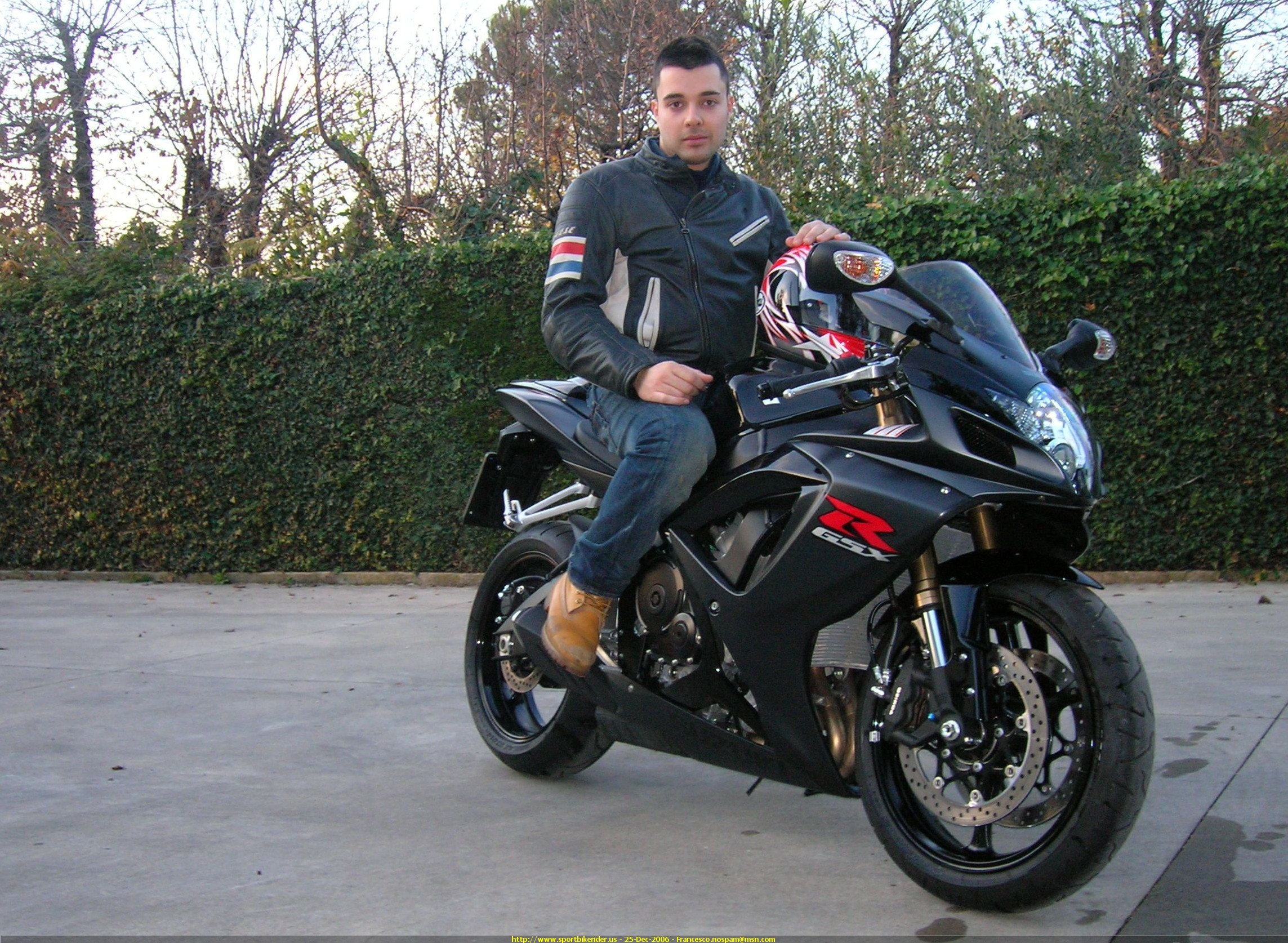
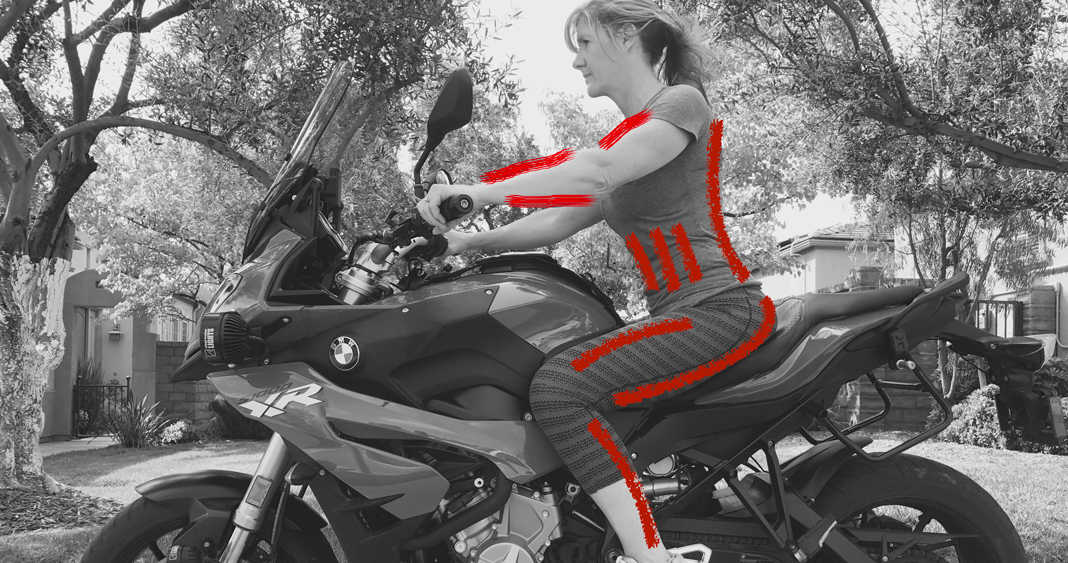
Beyond handlebar adjustments, the posture of the entire upper body profoundly affects wrist health. Leaning excessively forward shifts more weight onto the wrists as they bear responsibility for stabilizing the body. Conversely, maintaining an upright or slightly forward-leaning torso with relaxed shoulders can redistribute the load. Core engagement plays a subtle yet indispensable role, supporting the upper body and moderating the influence transferred to the wrists. A strong, stable core acts as a foundation, and when absent, the wrists and arms compensate, often to their detriment.
It is also worth acknowledging the significance of arm positioning during riding. The ideal posture involves elbows that are slightly bent and away from the body, enabling shock absorption and flexibility. Rigid, locked elbows transmit more vibrations directly to the wrists and hands, accelerating fatigue and injury risk. Allowing the arms to act as natural suspension systems transforms the tactile experience while protecting vulnerable joints.
Glove choice and motorcycle ergonomics intertwine intricately with wrist comfort. High-quality riding gloves with adequate padding can mitigate vibrations and reduce direct impact on the wrists. Some gloves incorporate orthotic support or wrist braces, serving as prophylactic devices against hyperextension or sudden jolts. However, gloves alone cannot compensate for poor posture; they function best as supplementary protection within a comprehensive approach to riding ergonomics.
Additionally, incorporating routine stretching and strengthening exercises into a rider’s regimen supports wrist resilience. Wrist flexor and extensor stretches, along with forearm strengthening, enhance endurance and flexibility. These exercises counteract the static postures and repetitive motions characteristic of long-distance riding. Moreover, periodic breaks during extended trips prevent sustained strain, allowing wrists to recover and reducing inflammation risk.
The motorcycle’s suspension and tire pressure also wield subtle influence over wrist health. A stiffer suspension or underinflated tires increase the transmission of shocks and vibrations through the handlebars, imparting more stress on the rider’s wrists. Proper maintenance ensures that the motorcycle absorbs environmental imperfections effectively, indirectly preserving rider comfort and joint integrity.
In essence, avoiding wrist pain while riding is an amalgamation of mindful posture, equipment adjustment, and body conditioning. Each element interlaces to form a cohesive defense against discomfort. Ignoring any aspect risks a cascading effect, where minor misalignments escalate into chronic issues. Thoughtful attention to how one sits, grips, and maneuvers the motorcycle transforms a routine ride into a sustainable, pleasurable experience.
Understanding that wrist pain serves as a signal rather than an inevitability transforms the rider’s approach to their craft. The fascination with motorcycle riding, rooted in freedom and control, naturally extends to a desire for longevity and physical well-being. Embracing best posture practices honors this connection, ensuring that the passion for the road remains unimpeded by preventable discomfort. Each adjustment, no matter how minor, compounds into lasting relief and unencumbered enjoyment.
Ultimately, the journey toward pain-free riding is continuous and dynamic. Posture adjustments, equipment considerations, and physical care constitute an evolving dialogue between rider and machine. This dialogue nurtures not only wrist health but also enriches overall riding proficiency and satisfaction. With dedicated attention and informed choices, wrist pain becomes an obstacle swiftly overcome, returning the rider to the open road with renewed vigor and grace.