Ever revved up your custom chopper, only to be met with a sputtering growl that sounds more like a disgruntled lawnmower than the thunderous roar you envisioned? If your CV carburetor is coughing, hesitating, or flat-out refusing to sing in harmony with your engine’s ambitions, you’re not alone. Tuning a CV carburetor for high-performance isn’t just about tweaking screws—it’s about coaxing harmony from chaos, transforming mechanical discord into a symphony of power. But beware: one wrong move, and you might just turn your prized chopper into a glorified paperweight. So, are you ready to dive into the guts of your carburetor and unlock its hidden potential?
The CV Carburetor: Your Engine’s Unsung Maestro
Before we wield our wrenches like modern-day sorcerers, let’s acquaint ourselves with the star of this show—the Constant Velocity (CV) carburetor. Unlike its fixed-venturi cousins, the CV carburetor uses a clever diaphragm and vacuum system to maintain a steady airflow, adapting seamlessly to your chopper’s demands. It’s the chameleon of carburetors, blending throttle response with fuel efficiency. But here’s the catch: its adaptability is only as good as its tuning. A poorly adjusted CV carburetor doesn’t just underperform—it can make your engine stumble, stall, or worse, leave you stranded on the side of the road with a perplexed expression and a half-empty gas tank.

Gathering Your Arsenal: Tools of the Tuning Trade
Tuning a CV carburetor isn’t a job for the faint of heart or the ill-equipped. You’ll need more than just a screwdriver and hope. Start with a tachometer to monitor engine RPMs, a vacuum gauge to read intake manifold pressure, and a carburetor synchronization tool (or a trusty feeler gauge) to ensure all cylinders are pulling their weight. Don’t forget a fuel pressure gauge—because running lean or rich isn’t just about performance; it’s about avoiding a catastrophic engine meltdown. And, of course, a clean workspace, because nobody wants to lose a vital screw in a pile of grease and nostalgia.
The Prelude to Tuning: Prepping Your Chopper for Greatness
Before you even think about touching the carburetor, give your chopper a thorough once-over. Replace the air filter if it’s clogged with the ghosts of past rides. Check your spark plugs—if they’re fouled or worn, your tuning efforts will be in vain. Ensure your fuel lines are free of kinks and your tank is clean; debris in the fuel system is the carburetor’s worst enemy. And for the love of torque, double-check your ignition timing. A mistimed spark can turn your tuning session into a comedy of errors faster than you can say “backfire.”
Decoding the CV Carburetor’s Language: Understanding the Basics
The CV carburetor’s magic lies in its throttle valve and diaphragm assembly. As you twist the throttle, the diaphragm adjusts the airflow, pulling in just the right amount of fuel to keep your engine purring. But here’s where things get tricky: the pilot jet, main jet, and needle jet all play pivotal roles in this delicate dance. The pilot jet controls fuel flow at low RPMs, the main jet takes over at higher speeds, and the needle jet fine-tunes the transition between the two. Misalign any of these, and your chopper will either gasp for air or drown in a sea of gasoline.
The Art of the Idle: Setting the Stage for Smooth Operation
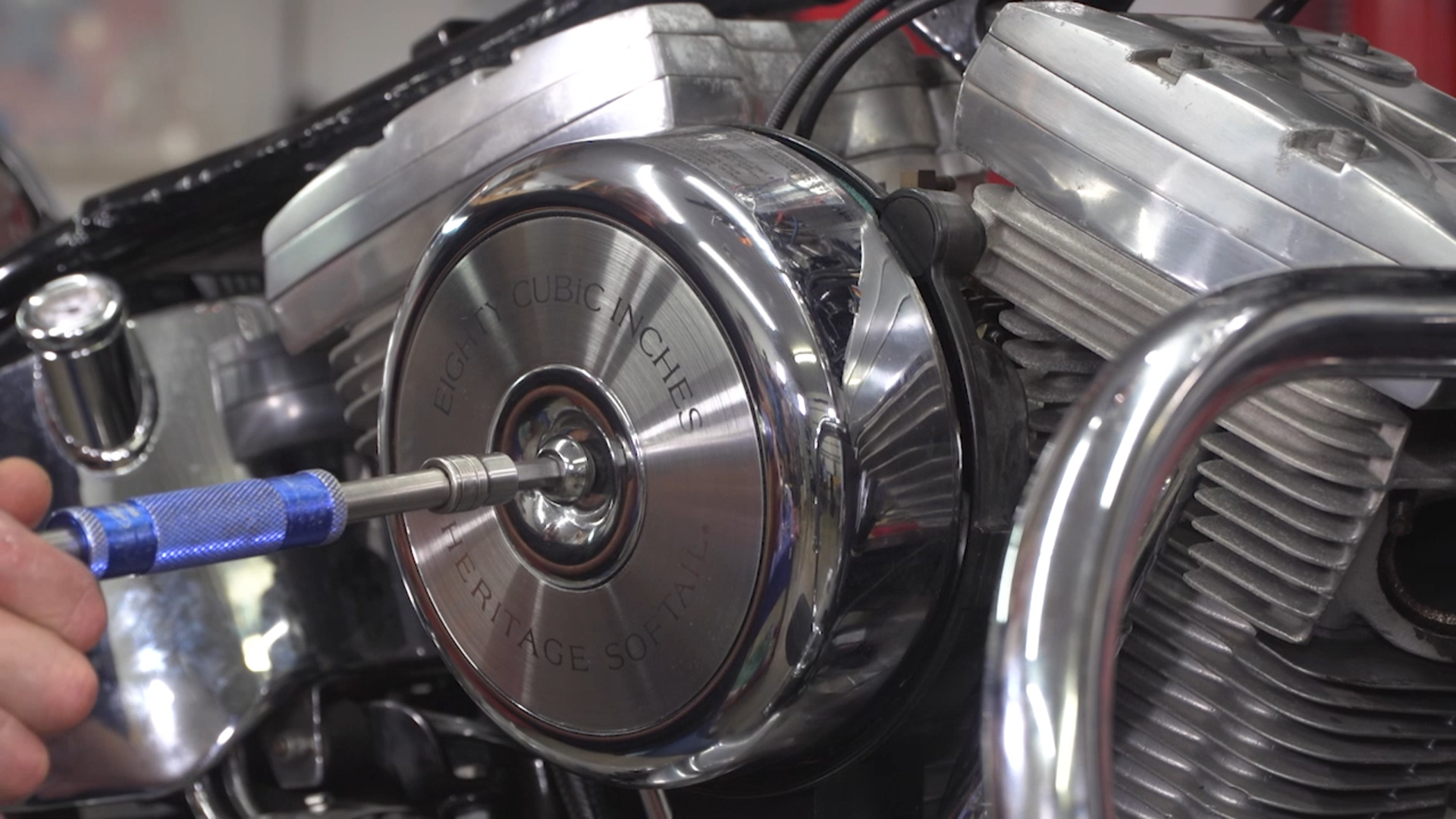
Every great performance begins with a flawless opening act. Start your chopper and let it idle until it reaches operating temperature. Now, grab your screwdriver and locate the idle mixture screw. Turn it clockwise to lean the mixture (less fuel) or counterclockwise to enrich it (more fuel). Your goal? A smooth, steady idle that doesn’t waver like a leaf in a hurricane. Use your tachometer to keep RPMs in check—typically between 900 and 1,100 RPM for most choppers. If the engine sputters or dies, you’re either too lean or too rich. Adjust accordingly, but remember: patience is your ally. Rushing this step is like trying to tune a violin with a sledgehammer.
Balancing the Symphony: Synchronizing Multiple Carburetors
If your chopper is a V-twin with dual carburetors, you’re dealing with a duo that must move in perfect unison. Unsynchronized carbs can turn your ride into a mechanical nightmare, with one cylinder starving while the other gorges on fuel. Use your synchronization tool to adjust the throttle cables or linkage until both carbs are opening and closing in harmony. A vacuum gauge is your best friend here—if the readings between the two carbs differ by more than 1-2 inches of mercury, you’ve got work to do. And don’t forget to check the throttle response; both carbs should snap open and closed without hesitation.
The Needle’s Dance: Fine-Tuning for Peak Performance
Now comes the pièce de résistance: adjusting the needle jet and its accompanying clip. The needle jet controls fuel delivery as the throttle opens, and its position can make or break your chopper’s throttle response. Start by setting the clip in the middle position—this is your baseline. Then, take your chopper for a spin. If it feels sluggish when you crack the throttle, the needle is likely too low, starving the engine of fuel. If it bogs down or sputters, the needle is too high, flooding the engine. Adjust the clip in small increments, testing after each change. It’s a game of millimeters, not inches.
The Final Act: Test Rides and Triumphant Tweaks
With your CV carburetor seemingly dialed in, it’s time for the ultimate test: the open road. Take your chopper for a ride, paying close attention to how it accelerates, cruises, and decelerates. Does it hesitate when you twist the throttle? Does it backfire like a rebellious teenager? These are clues, not curses. Note where the issues arise—low RPMs, mid-range, or high speeds—and return to your carburetor with fresh eyes. Sometimes, the solution is as simple as a slightly richer pilot jet or a needle clip adjustment. Other times, you might need to experiment with different jets altogether. Remember, tuning is an iterative process, a dialogue between you and your machine.
Beware the Pitfalls: Common Mistakes and How to Dodge Them
Even the most seasoned tuners stumble into traps. One of the most common? Over-tightening the carburetor screws, which can warp the throttle body and throw off your synchronization. Another? Ignoring the basics—like a dirty air filter or a clogged fuel line—before diving into fine-tuning. And let’s not forget the allure of “more power” leading to overly rich mixtures, which can foul spark plugs and kill performance. Stay methodical. Document your changes. And for the love of horsepower, resist the urge to max out the throttle on your first test ride. Baby steps, my friend.
The Reward: A Chopper That Roars with Purpose
When everything clicks into place, it’s nothing short of magic. Your chopper no longer sputters or stumbles—it responds with the precision of a metronome and the ferocity of a wild stallion. The CV carburetor, once a mystery, now sings in perfect harmony with your engine. You’ve transformed a mechanical challenge into a masterpiece of customization. And as you cruise down the open road, the wind in your face and the thunder of your exhaust in your ears, you’ll know one thing for certain: you didn’t just tune a carburetor. You unlocked the soul of your chopper.