The world of Harley-Davidson engines is both storied and complex, often wrapped in a veil of mystique that captivates enthusiasts and casual observers alike. At the heart of this fascination lies a trio of powerplants: the Harley 103, 114, and 117 engines. These powerhouses are more than mere mechanical components; they represent evolutionary milestones, each promising distinct revolutions per minute in performance, torque delivery, and overall riding experience. Exploring their nuances challenges preconceived notions about Harley’s powertrains, unveiling how displacement, horsepower, and real-world power converge to redefine muscular motorcycling.
At first glance, the numerical designations—103, 114, and 117—might suggest simple increments in engine capacity, but these figures are gateways into a broader conversation about engineering philosophy, combustion efficiency, and the very essence of what “power” means on the tarmac. Understanding their differences involves exploring cubic centimeters (cc), horsepower (HP), torque curves, and how these elements translate into palpable sensations for the rider.
The Harley 103: The Last of Its Kind
Introduced as a reliable workhorse, the 103 cubic inch engine roughly equates to 1,690cc. For many years, it represented Harley-Davidson’s baseline for big twin power. It paired traditional V-twin aesthetics with a respectable output—typically rated around 78 horsepower at the crankshaft and torque figures hovering close to 100 lb-ft. This engine symbolized the balance of heritage and functionality, offering enough grunt to inspire confidence without being intimidating.
The 103’s charm lies in its predictability and legacy. It fosters a visceral connection with riders who appreciate the signature rumble and torque punch without chasing sheer horsepower numbers. Though its figures may seem modest compared to its successors, the 103’s design underscores the importance of mechanical simplicity and purpose-built engineering.
Leaping Forward: The 114 Cubic Inch Engine
Stepping up the ladder, the 114 engine is essentially a 1,868cc beast that redefined what Harley motorcycles could feel like. This engine carved out a niche by delivering a noticeable jump in performance while maintaining the combustion characteristics that ensure smooth delivery and longevity. It’s typically rated at approximately 90 horsepower, with torque figures eclipsing the 110 lb-ft mark.
This increase in both displacement and output translates into more than just numbers on paper. Riders experience a tangible surge in acceleration, smoother overtakes, and a heightened sense of control under various riding conditions. The 114’s design incorporates refinements in combustion chamber shape, fuel injection mapping, and internal balance, which collectively contribute to a more efficient and responsive engine.
But the 114’s real intrigue is how it reshaped expectations. It shifted the paradigm of Harley’s power delivery from cruiser reliability to performance-oriented muscularity without sacrificing the brand’s quintessential thunderous sound.
The Apex: The 117 Cubic Inch Engine
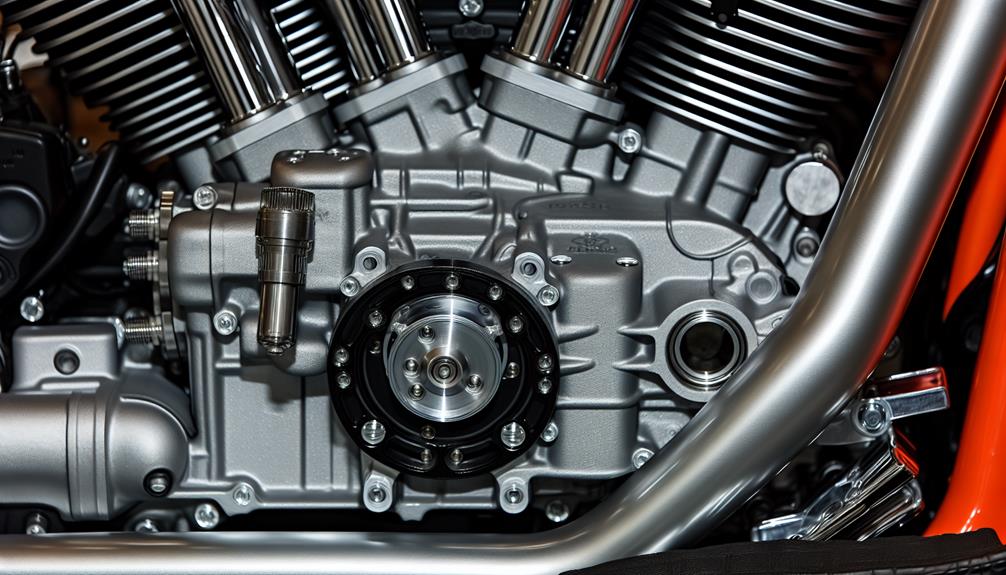
The 117 engine, emerging with approximately 1,923cc, represents the zenith for many Harley riders seeking maximum brute force encapsulated in a polished package. Delivering upwards of 100 horsepower and torque numbers that soar beyond 120 lb-ft, this engine pushes boundaries previously considered the realm of aftermarket modifications or exotic machinery.
What makes the 117 engine a conversation starter is not just its size but the deliberate engineering choices that optimize power density—how much usable power an engine produces relative to its size and weight. It employs advanced porting techniques, larger valves, and premium internal components that maximize combustion efficiency and durability. The technology embedded within showcases a marriage of Harley’s legacy with cutting-edge engineering—an embodiment of evolution rather than revolution.
However, the 117 doesn’t just promise raw figures; it promises an experience. The surge of torque at low revs can transform the riding ethos—turning every throttle twist into a commanding display of mechanical prowess. It challenges the rider to rethink what a Harley engine is capable of and invites a visceral engagement rarely matched in the cruiser segment.
Displacement vs. Horsepower: Decoding the Numbers
While displacement in cubic inches or cc often dominates discussions, horsepower and torque reveal the multifaceted nature of engine performance. Displacement reflects the total volume of air and fuel mixture an engine can combust during its cycles, a primary factor influencing power potential. However, horsepower quantifies the engine’s ability to sustain work over time, while torque relates to rotational force—the engine’s immediate pulling power.
In practical terms, a higher cc number like the 117’s promises more raw material to generate power. Yet, it’s the engine’s efficiency, tuning, and component precision that dictate how much power translates into acceleration and responsiveness. The 114 and 117 engines showcase how Harley-Davidson leverages technology to extract more horsepower and torque from similar engine architectures, reflecting advancements in combustion chamber design, fuel delivery, and exhaust systems.
This nuanced interplay means real-world power often defies simplistic comparisons. For instance, a well-tuned 114 might offer a more usable torque curve in everyday scenarios than a larger 117 tuned for peak numbers. The takeaway is a sophisticated appreciation for how each engine balances displacement, horsepower, and torque to fulfill specific riding ambitions.
Rider Experience: More Than Just Stats
The true measure of these engines transcends spreadsheets. Each offers distinct sensory and performance signatures. The 103 engine’s characteristic thump invites reflective cruising, inviting riders to savor the rhythm of the road. The 114 injects a lively spirit, propelling riders into a more dynamic domain without forsaking comfort. Meanwhile, the 117 asserts dominance, transforming the motorcycle into a sprinting titan with explosive midrange power that dazzles yet demands respect.
Moreover, these engines influence the overall motorcycle architecture. Weight distribution, frame design, and suspension tuning often correlate with engine choice, affecting handling, comfort, and ride quality. Thus, the decision between 103, 114, or 117 extends beyond performance metrics—it’s an integral element shaping the holistic motorcycling journey.
Conclusion: Embracing the Harley Engine Evolution
The Harley 103, 114, and 117 engines represent more than just escalating numbers; they embody a shifting landscape in American motorcycle engineering. Moving from a paradigm of tradition and simplicity to one that embraces incremental innovation and enhanced power delivery, these engines challenge riders to reconsider what a Harley can be.
Whether it’s the nostalgic pulse of the 103, the spirited surge of the 114, or the commanding ferocity of the 117, each engine offers a unique narrative of power, precision, and passion. Together, they invite enthusiasts to look beyond conventional benchmarks and appreciate the intricate artistry woven into Harley-Davidson’s powertrains—a testament to enduring innovation and the relentless pursuit of real-world power.