In the realm of fluid dynamics and mechanical systems, the humble non-return valve often goes unnoticed—yet its significance is monumental. Consider the curious fascination many engineers, plumbers, and even hobbyists have with the 15mm variant of this essential component. Simple in concept, yet intricate in function, non-return valves embody a compelling synergy of simplicity and precision. They safeguard systems from the chaos of backflow, ensuring fluid travels only in its intended direction. This unsurprising ubiquity belies the rich technical nuances and practical importance these valves present, especially in everyday applications.
At its core, a non-return valve—sometimes known as a check valve—is engineered to permit fluid flow in just one direction, preventing any reversal that might otherwise damage the system. This single-function mandate belies a surprisingly sophisticated interplay of mechanics and fluid dynamics. The 15mm dimension, specific enough to highlight its common usage in residential and light commercial setups, underscores a balance between manageable size and effective performance. Often made from brass, stainless steel, or durable plastics, this size is particularly favored in plumbing, heating systems, water pumps, and irrigation networks.
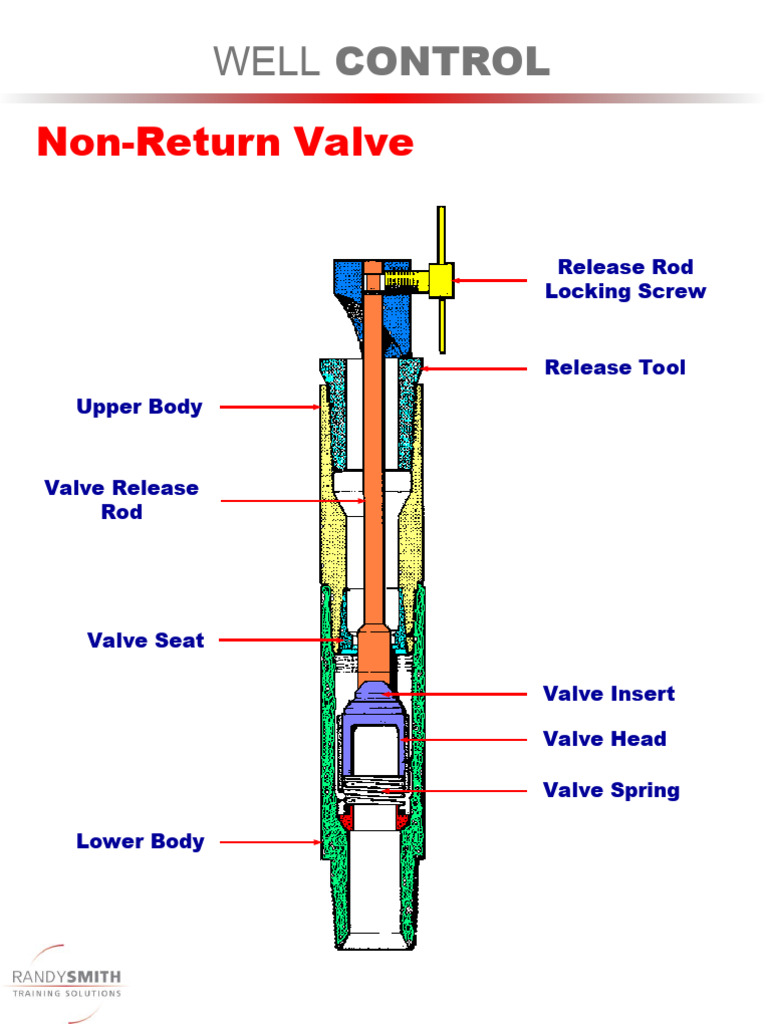
The design features of a 15mm non-return valve may seem rudimentary but are meticulously optimized for fluid control efficiency. Inside, a disc, ball, or flap mechanism moves freely within the valve body, responding dynamically to the direction and force of fluid flow. When the fluid flows forward, it exerts pressure that displaces the internal element, opening the passage. Contrarily, a reversal in flow promptly closes this passage, thwarting any backward motion. Such instantaneous response is vital—backflow can introduce contaminants, cause mechanical stress, or degrade system integrity over time.
What draws enthusiasts and professionals alike to the 15mm non-return valve extends beyond its functional role. It represents a microcosm of engineering elegance—its simplicity masking a robust solution to a pervasive challenge. The ease with which these valves are integrated into piping systems, coupled with their minimal maintenance requirements, imbues them with broad appeal. Observers might notice the almost iconic “click” or distinctive resistance such valves exhibit, which exudes reliability and purposeful engineering, fostering an almost tactile confidence in their operation.
Applications of the 15mm non-return valve are vast and varied, yet many share a common necessity: protection against reverse fluid motion. Consider domestic water supplies. The valve ensures potable water remains uncontaminated by preventing siphoning from wastewater lines. In heating installations, it sustains circulatory integrity, guarding boilers and radiators from detrimental backflow. In pump systems, these valves are critical—when the pump stops, the valve prevents water from flowing backward, thus maintaining prime and preventing damage.
Material composition plays a pivotal role in the performance and lifespan of non-return valves at this scale. Brass, prized for corrosion resistance and machinability, is a popular choice for domestic and commercial plumbing. Stainless steel variants cater to more demanding or corrosive environments, including chemical processing or marine applications. Plastic alternatives, like PVC or polypropylene, offer cost-effective and lightweight options for less demanding scenarios. Each material imbues the valve with distinct characteristics in durability, pressure tolerance, and temperature range, factors that influence selection criteria extensively.
Installation and maintenance are often highlighted when delving into the practicality of 15mm non-return valves. Their compact size favors ease of incorporation into existing pipelines. Orientation matters—a valve installed incorrectly can nullify its protective function, leading to system failures and costly repairs. The valve usually includes directional arrows molded or stamped onto its body, guiding installers in maintaining correct flow direction. Periodic inspection, although minimal, is recommended to detect wear or blockage, especially in systems handling particulates or prone to sediment build-up.
From the vantage point of fluid mechanics, the performance of a non-return valve also hinges on flow velocity and pressure differentials. A delicate balance must be maintained. If the valve’s internal mechanism offers too much resistance, it may impede flow efficiency. Conversely, too loose a fit risks leakage or sluggish closure, allowing harmful backflow. Technological advancements have refined internal geometries and materials to mitigate these issues, introducing designs like spring-assisted check valves or dual-disc configurations for enhanced control and reliability.
The enduring intrigue surrounding these valves, particularly the standardized 15mm size, underscores a broader human appreciation for devices harmonizing function and form. They symbolize an unseen guardian within plumbing and fluid systems—a mechanism whose quiet vigilance ensures safety, efficiency, and longevity. This subtlety resonates with those who comprehend the intricacies of system dynamics, sparking both practical interest and a deeper respect for seemingly mundane components.
Looking ahead, the evolution of non-return valves continues, propelled by emerging materials, manufacturing techniques, and smart technologies. Integration with sensors and automated monitoring systems is transforming traditional valves into intelligent components capable of diagnosing flow anomalies or predicting maintenance needs. Even within the modest confines of 15mm valves, innovation is breathing new life into an age-old design, promising greater efficiency and resilience in increasingly complex fluid networks.
In conclusion, the fascination with 15mm non-return valves is more than a mere appreciation for a plumbing component; it epitomizes a nuanced intersection between practical necessity and engineering finesse. Their ability to unilaterally direct fluid flow, shield systems from contamination, and uphold operational integrity positions them as indispensable in countless applications. Understanding their construction, function, and place within broader systems lends a richer perspective on why what might seem a small, straightforward device commands such enduring respect and curiosity among professionals and laypersons alike. These valves may be small, but their impact flows far beyond their size.