The 1980s was a transformative decade for motorcycles, marked by audacious designs, innovative engineering, and a cultural shift that embraced speed and style with unparalleled fervor. The era birthed some of the most eccentric and daring motorcycles ever conceived—machines that not only redefined performance but also challenged conventional aesthetics. These motorcycles became symbols of rebellion and freedom, embodying the very spirit of the decade’s relentless pursuit of breakthrough engineering and visual flamboyance.
When exploring the craziest motorcycles of the 1980s, it’s essential to acknowledge the diversity in categories—from sport bikes with radical aerodynamics to cruiser-style machines laden with intricate customization. Each type brought unique characteristics, revealing different facets of motorcycle culture and technology during that period. Riders and enthusiasts could marvel at everything from turbocharged beasts to experimental designs that pushed the envelope in terms of form and function. The 1980s truly was a playground for innovation and risk-taking within motorcycle manufacturing.
One cannot overlook the advent of turbocharged motorcycles that emerged as an engineering marvel of the decade. Manufacturers like Kawasaki and Suzuki spearheaded this movement, introducing turbo systems that exponentially increased horsepower. The result? Motorcycles with staggering power outputs and blistering acceleration unmatched by any naturally aspirated bikes of the time. These turbocharged models, while limited in production, caught the imagination of speed obsessives, offering a glimpse of a future where technology superseded traditional mechanical limits. They were high-performance road rockets that blurred the lines between motorcycles and something almost otherworldly.
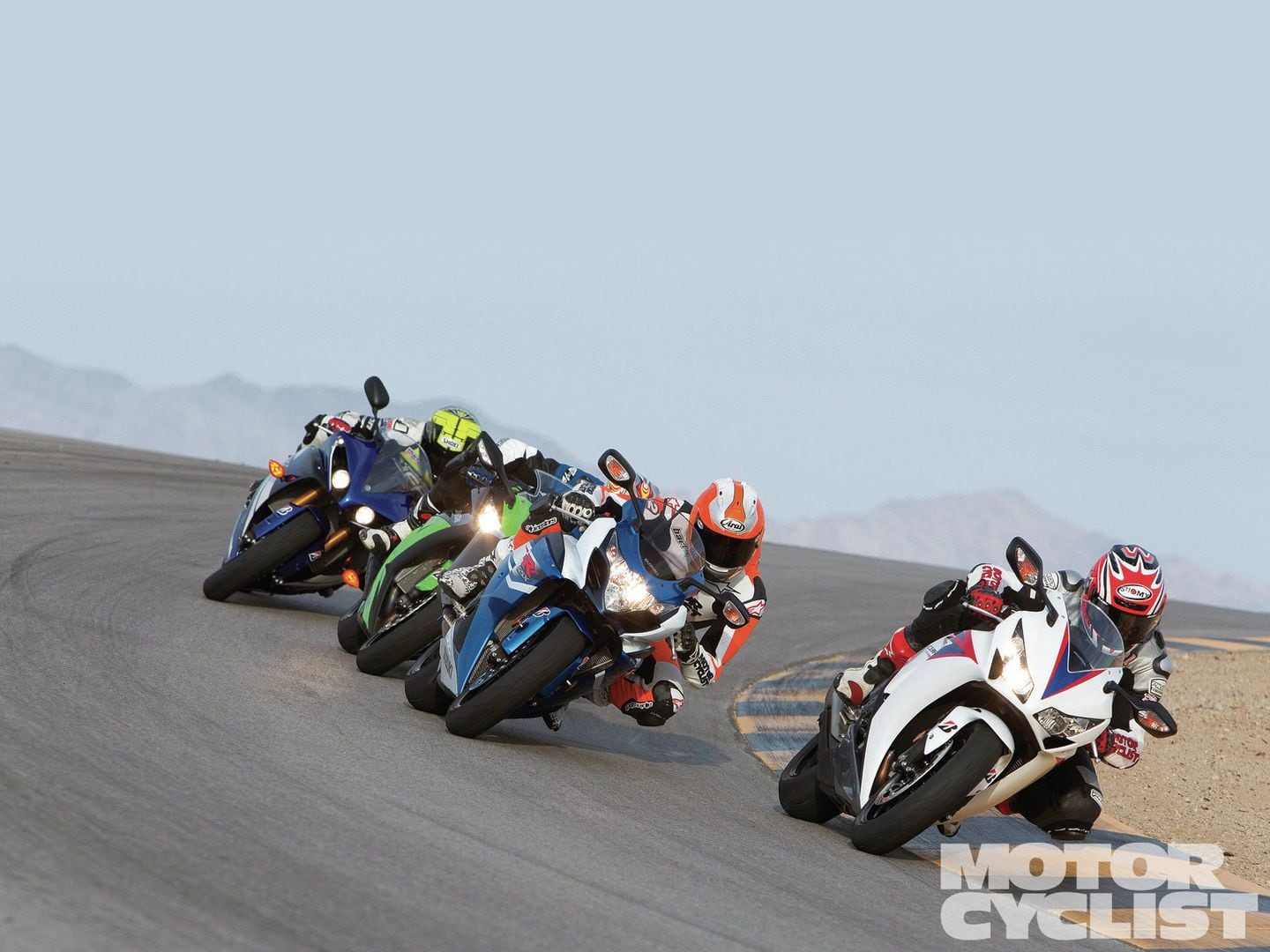
Another remarkable aspect of 1980s motorcycles was the stylistic experimentation manifesting in their bodywork and ergonomics. The decade witnessed the proliferation of full fairings—streamlined shells that offered aerodynamic efficiency and protected the rider from wind drag. This not only influenced racing motorcycles but also made its way to street-legal versions that captivated riders craving both speed and style. Designs often featured sharp angles, aggressive lines, and bold color schemes, reflecting the decade’s penchant for neon hues and graphic flamboyance. The artistry in these motorcycles elevated them beyond mere transportation; they became moving sculptures on asphalt.
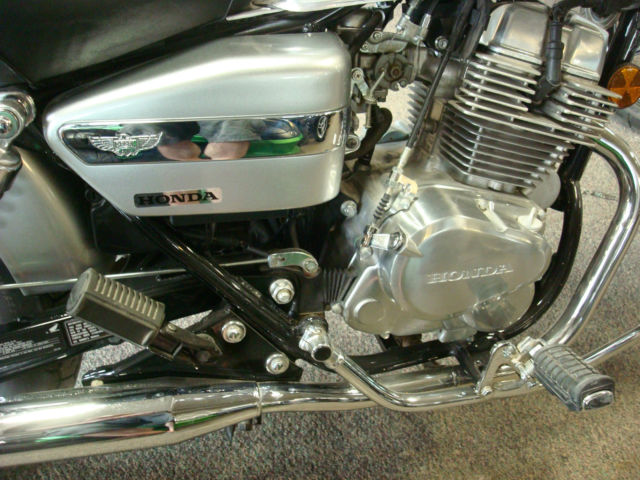
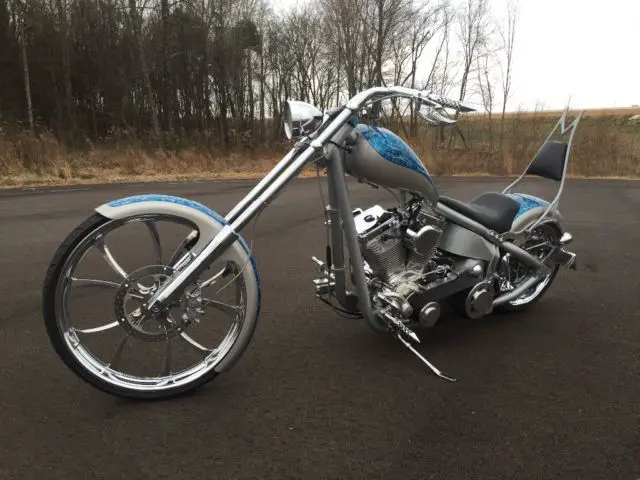
Meanwhile, cruiser motorcycles of the 1980s embraced a different kind of craziness that showcased the culture’s embrace of individuality and customization. Many cruisers were heavily modified with extended forks, exaggerated chrome accents, and unique paint jobs. The customization scene flourished as riders sought to make their machines stand apart, injecting personality and craftsmanship into each bike. This movement illuminated the symbiotic relationship between rider and machine, where the motorcycle transformed into an extension of personal identity. The result was a kaleidoscope of unique two-wheelers peppered across highways and biker rallies, each imbued with stories and a distinct aura.
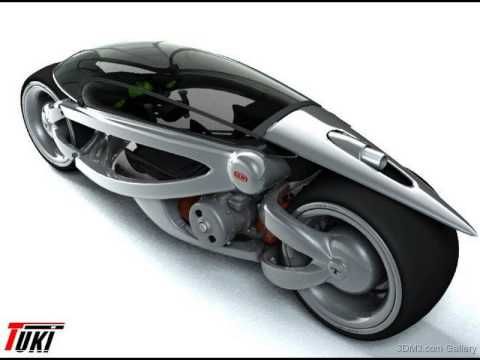
The decade was also a crucible for experimental engineering and futuristic concepts. Manufacturers and independent builders alike dabbled in strange configurations, innovative suspension systems, and alternative fuel technologies. Some motorcycles featured hub-center steering systems that defied traditional fork designs, offering improved stability and handling at the cost of complexity. Others toyed with turbine engines or combined motorcycle principles with automotive elements, setting them apart as almost conceptual art pieces on wheels. These ventures into the unknown were as much about pushing mechanical boundaries as they were about captivating an audience hungry for novelty and speed.
In terms of content, readers can expect a multifaceted exploration of these motorcycles. Detailed descriptions of specific models will be paired with insights into their technical specifications, such as engine displacement, power delivery, and handling characteristics. Discussions concerning their impact on the motorcycle industry and culture will provide context, unraveling why these machines remain iconic decades later. Anecdotes from enthusiasts who lived through the era add a layer of human experience, capturing the emotional connection riders developed with their machines.
Additionally, comprehensive visual analyses will shed light on the uniqueness of various designs, highlighting how form complemented function or invited controversy. You might also encounter content on restoration efforts that preserve these motorcycles for future generations, emphasizing the importance of historical preservation in the motorcycling world. Moreover, the influence of 1980s motorcycles on modern bike design will underline the lasting legacy of that transformative decade, demonstrating how past innovations continue to inspire today’s engineering breakthroughs and aesthetic trends.
The craziest motorcycles of the 1980s were more than just machines; they were bold statements of engineering prowess and creative audacity. Their stories intertwine technological innovation, cultural revolutions, and artistic expression, making them evergreen icons in the ever-evolving world of motorcycling. Whether turbocharged speed demons, futuristic prototypes, or flamboyant cruisers, these bikes captured an era’s zeitgeist—one that celebrated pushing limits, experimenting fearlessly, and riding with unrestrained passion.