The 2008 Kawasaki ZZR600 remains an intriguing subject of fascination for motorcycle enthusiasts, especially when it comes to its top speed. Over a decade since its release, many riders and aficionados alike still find themselves captivated by the question: just how fast can this machine go today? The allure of speed is not merely about breaking limits but is deeply rooted in the intricate blend of engineering, design philosophy, and the visceral thrill that motorcycles like the ZZR600 evoke.
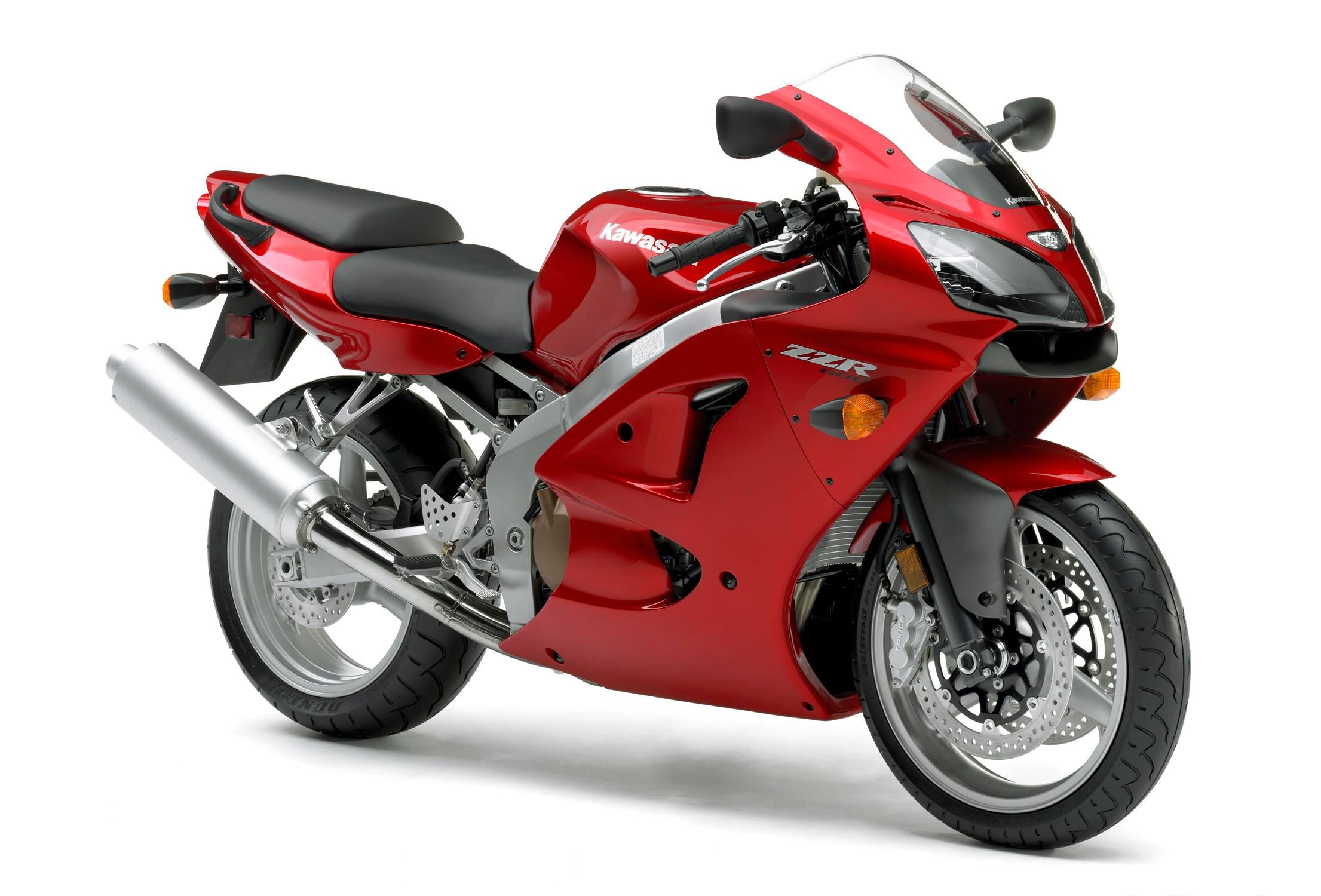
When examining the 2008 Kawasaki ZZR600’s top speed, it’s important to acknowledge its historical context. Emerged as a staple in the mid-2000s sportbike segment, the ZZR600 was Kawasaki’s answer to riders craving a balance between aggressive performance and everyday usability. Powered by a liquid-cooled, inline four-cylinder engine displacing 599cc, the bike’s configuration was optimized for quick throttle response, agile handling, and reliable power delivery. The original factory specifications placed its top speed at around 155 mph (250 km/h), positioning it competitively among peers from Honda, Yamaha, and Suzuki.
However, performance metrics like top speed are often more complex than mere numerical figures. Over time, the actual speeds achievable can fluctuate due to several critical factors. For instance, engine wear and tear, maintenance history, and even the quality of fuel play pivotal roles in how fast the ZZR600 runs today. Modern enhancements in lubricants and tuning can sometimes extract a tad more performance out of these engines than was possible in their factory settings, while neglect or age-related component fatigue can conversely diminish their peak outputs.
Moreover, the rider’s weight, aerodynamic posture, and ambient conditions—like altitude and temperature—strongly influence real-world top speed. A lightweight rider in a tucked position on a cool, low-altitude day might coax the ZZR600 to its upper limits, whereas less ideal conditions could suppress those numbers. This variability adds to the mystique surrounding the bike’s true capabilities, inviting riders to explore the nuances of performance beyond the simple figure stamped on a brochure.
The design of the Kawasaki ZZR600 further magnifies its speed appeal. The bike’s streamlined fairings, sculpted aerodynamics, and compact chassis contribute to reducing drag, allowing it to slice through the air with minimal resistance. Such engineering choices are not merely cosmetic but essential in enabling a sportbike to reach its calculated velocity efficiently and reliably. The ZZR600’s frame geometry strikes a commendable balance between stability at high speeds and nimble handling in tight corners, thereby catering to riders who desire a versatile yet exhilarating ride.
But what is it about the ZZR600—and sportbikes in general—that compels such an enduring fascination with top speed? It transcends the mechanical and enters the psychological domain. Speed, in its rawest form, is a primal expression of freedom and power. The heart-pounding acceleration and the rush of wind against one’s body create an intimate connection between man and machine, a dance of precision and courage. The ZZR600 epitomizes this dynamic, offering riders an accessible gateway into the intoxicating world of high-speed riding without venturing into the realm of hyper-expensive superbikes.
In today’s era, the ZZR600’s top speed holds a certain romantic significance. Amidst the proliferation of track-focused motorcycles boasting formidable horsepower figures upwards of 200 hp, the ZZR600’s modest yet spirited 100-plus horsepower output is a reminder of a different epoch—where balance and rider engagement were paramount. The bike’s capability to hit 155 mph remains impressive, especially given its middleweight status, offering a tangible thrill rather than a mere spectacle of raw numbers.
Yet, the contemporary rider must also view this top speed through the lens of safety and legal restrictions. Roads and highways have evolved to impose stricter speed limits and surveillance, effectively curbing the open-road velocity that sportbikes like the ZZR600 once flaunted. Protective gear and advanced electronics such as ABS and traction control—absent or primitive in earlier models—now dictate riding behavior for enhanced safety. Thus, while the theoretical top speed remains enticing, practical riding dictates caution and respect for one’s surroundings.
Another dimension contributing to the current perception of the ZZR600’s top speed is the aftermarket community. Modifications that include aftermarket exhausts, performance air filters, and ECU tuning can elevate the motorcycle’s power output and refine throttle response, sometimes nudging the top speed beyond factory limits. Enthusiasts often relish the pursuit of these incremental gains, fine-tuning their machines to suit personal preferences and riding styles. This culture of customization keeps the Kawasaki ZZR600 relevant, continually bridging the gap between its original design and modern performance expectations.
Maintenance and mechanical care also cannot be overlooked when discussing how fast the 2008 ZZR600 is today. Regular servicing—such as timely oil changes, valve adjustments, and chain tensioning—ensures that the engine operates within its optimal parameters. Overlooked maintenance can lead to performance degradation, reduced acceleration, and ultimately a lower attainable top speed. Conversely, a meticulously maintained specimen often delivers performance astonishingly close to, if not at, its original factory promise.
One mustn’t disregard the psychological magnetism embedded in the quest for maximum speed. The ZZR600 stands as an enduring icon of mid-tier sportbikes—a class that strikes a compelling equilibrium for many riders. It appeals to those who appreciate the essence of motorcycling: a blend of agility, controllable power, and kinetic excitement. Measuring the bike’s speed becomes a metaphor for testing personal limits, the machine’s robustness, and the rider’s skill.
Ultimately, the top speed of the 2008 Kawasaki ZZR600 today remains a multifaceted topic. Theoretical figures offer a baseline, but real-world conditions, maintenance, rider attributes, and technological evolutions all intermingle to produce an ever-shifting spectrum of performance. Beyond statistics, the bike symbolizes a thrilling chapter in motorcycling history—one where the pursuit of speed served as a gateway to freedom, mastery, and exhilaration.
For those who seek the pure experience of speed without the extremes of modern superbikes, the ZZR600 continues to resonate deeply. Its top speed, therefore, is not just a measurement of velocity but a testament to enduring design, spirited engineering, and the timeless appeal of riding fast on two wheels. The fascination endures because it taps into fundamental human desires—adventure, control, and the exhilarating push beyond ordinary limits.