In the enthralling realm of off-road motorcycling, few battles have captured the imagination quite like that between the Honda CRF230 and CRF450 models. Both embody the essence of motocross engineering but cater to drastically different quests and rider expectations. This comparative journey ventures beyond the surface, dissecting performance, mechanics, and nuances that promise to shift your perspective on what makes a dirt bike truly victorious in its class.
The 2009 Honda CRF230, often revered as the quintessential beginner-friendly dirt bike, brings a blend of reliability and manageable power that has endeared it to novices and intermediates alike. Its understated displacement and sophisticated but uncomplicated design foster a confidence-inspiring ride. Underneath its rugged plastics lies a 229cc air-cooled single-cylinder engine—a powerplant that revels in its predictable delivery rather than unrestrained power. This bike offers an accessible entry point into the sport, allowing riders to hone their skills without being overwhelmed by the raw fury typically unleashed by larger machines.
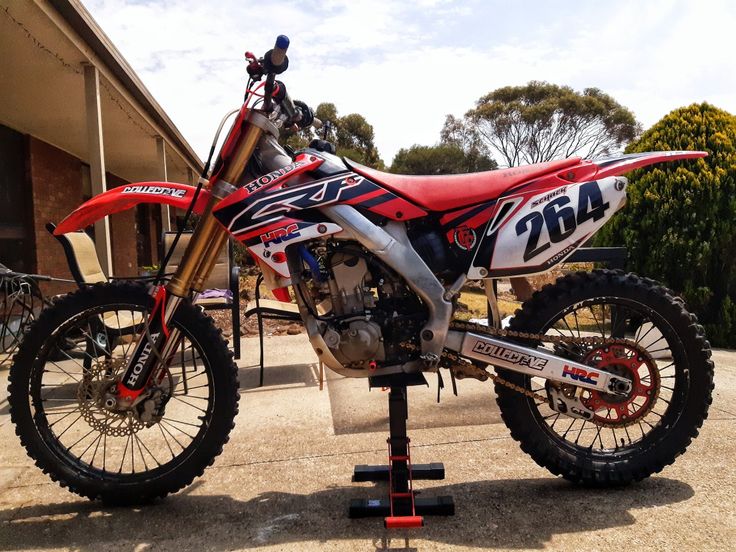
Contrastingly, the CRF450 stands in a stratum reserved for the adrenaline-hungry who demand top-tier performance and relentless speed. The 2009 iteration of this titan boasts a liquid-cooled 449cc single-cylinder four-stroke engine, a symphony of power and precision tuned for track domination and aggressive trail riding. It is a bike that commands respect, its bigger displacement and cutting-edge suspension components promising blistering acceleration and razor-sharp handling. While the CRF230 invites cautious exploration, the CRF450 embodies outright conquest.
When scrutinizing the dimensions and weight, the differences are conspicuous and consequential. The CRF230’s lighter chassis, tipping the scales around 234 pounds, lends itself to nimbleness and ease of maneuvering. This makes it especially forgiving for riders still acquainting themselves with throttle control and balance. In contrast, the CRF450’s heftier frame, generally about 247 pounds, is a necessary trade-off for durability and high-performance stability, especially when hurtling through uneven terrain at breakneck speeds. The added weight enhances grip and confidence under aggressive cornering but demands more physical prowess from the rider.
One cannot delve into the comparative merits of these two machines without a careful examination of their suspension systems—pillars upon which off-road mastery is built. The CRF230 features a conventional suspension setup, with telescopic forks and a Pro-Link rear suspension system designed to absorb shocks adequately without complicating maintenance or ride feel. This configuration emboldens burgeoning riders to glide over obstacles comfortably, subtly teaching the nuances of terrain navigation without intimidation.
The CRF450, conversely, is outfitted with high-end Showa coil spring forks and a robust Pro-Link setup calibrated for elite-level responsiveness. This suspension reacts instantaneously to the terrain’s temperament, offering unparalleled control and stability. Riders pushing the limits of speed and jump technique will appreciate the bike’s ability to keep composure where lesser models might falter. The sophistication here is palpable; every component invites the rider to engage in a dance of precision with the wilderness.
Fuel capacity and range add another intriguing layer to this comparison. The CRF230 is typically equipped with a modest 1.6-gallon tank—a pragmatic choice aligning with its role as a training workhorse. This capacity facilitates manageable weight and length of ride sessions, echoing the bike’s ethos of measured progress and endurance. Conversely, the CRF450 incorporates a slightly larger tank, around 2.1 gallons, enabling longer blasts across vast terrains without constant refueling interruptions, catering to riders eager to push boundaries over extended periods.
The ergonomics of each bike further delineate their intended purposes. The CRF230’s seat height hovers around 33.8 inches—conservative, enabling shorter riders and those less experienced to maintain stability and confidence. Meanwhile, the CRF450’s more aggressive 37.8-inch seat height speaks to its orientation toward taller, more competitive riders poised to exploit its high-performance capabilities. The rider triangle, handlebar placement, and footpeg positioning on the CRF450 are engineered to maximize control and minimize fatigue during intense riding sessions.
In terms of transmission, both bikes sport a five-speed manual gearbox, yet their gear ratios reflect distinct philosophies. The CRF230’s gearing is tailored to smooth acceleration and low-end tractability, enhancing control during technical rides and trail explorations. The CRF450’s ratios favor higher speeds and rapid throttle transitions, complementing its potent engine and race-inspired pedigree. This divergence underscores the core dichotomy—ease of mastery versus raw competitive capability.
Maintenance and longevity also play pivotal roles in choosing between the two. The CRF230, with its simpler air-cooled engine, demands less frequent servicing and showcases remarkable durability—qualities that have cemented its reputation among family riders and dirt bike schools. The CRF450, while not excessively maintenance-intensive, features liquid cooling and more complex components requiring meticulous upkeep to maintain peak performance—a commitment that seasoned riders are often willing to embrace for the sake of superior power and handling.
Financial considerations inevitably influence choice. The CRF230 typically arrives with a more approachable price tag, making it a pragmatic investment for newcomers or casual riders. The CRF450 commands a premium, justified by its advanced engineering and performance capabilities. Operational costs, including fuel, parts, and maintenance, tend to be higher for the CRF450 yet proportional to the exhilaration it delivers.
The final verdict hinges upon the rider’s aspirations and experience. If the journey commences with a desire for steady growth, confidence-building, and manageable power, the CRF230 is an unassailable contender. Its combination of predictability, lightweight frame, and approachable ergonomics make it a steadfast companion in the ascent to motocross proficiency.
However, for those who seek the adrenaline surge of high-performance motocross or trail conquest, ready to embrace the physical and technical demands of a more formidable machine, the CRF450 emerges as the unequivocal champion. It is not merely a bike; it is an extension of ambition, a vehicle for pushing limits beyond conventional boundaries.
Ultimately, this comparison between the 2009 Honda CRF230 and CRF450 transcends mere specifications. It embodies a spectrum—from the spark of initiation to the blaze of mastery—inviting riders to ponder what they seek in their dirt bike journey. Which dirt bike wins? The answer is as personal as the ride itself, shaped by experience, courage, and desire.