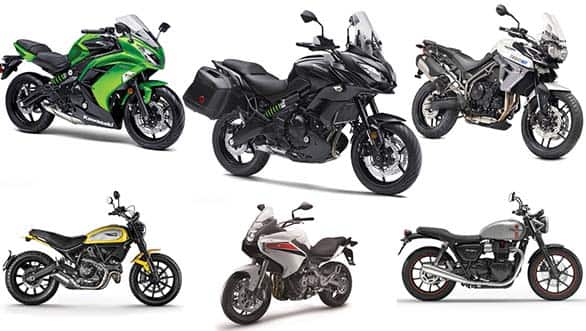
The 2009 middleweight motorcycle segment witnessed a fascinating contest among three prominent contenders: the Kawasaki Ninja 650R, the Kawasaki ER-6n, and the Kawasaki Versys. Each motorcycle carved its unique niche, catering to a blend of versatility, performance, and everyday usability. This comparative exposition delves into the multifaceted attributes of these bikes, illuminating their engineering distinctions, dynamic capabilities, ergonomics, and rider experiences. Whether you’re a seasoned motorcyclist or a newcomer, this detailed analysis offers a panoramic view of what makes these machines stand out in the bustling mid-displacement category.
Engine and Performance Dynamics
At the heart of these three motorcycles lies a shared twin-cylinder engine family, yet each model presents nuanced tuning that affects power delivery and torque curves differently. The Ninja 650R boasts a liquid-cooled, parallel-twin 649cc engine optimized for sporty responsiveness and mid-range vigor. This setup is designed to enthrall riders seeking spirited acceleration and brisk highway overtakes. Conversely, the ER-6n’s engine character leans toward versatility and balance, delivering smooth, tractable power with an emphasis on everyday usability and fuel efficiency. Its slightly detuned profile results in a forgiving throttle response, ideal for urban commutes and longer trips alike.
The Versys, although mechanically akin to the ER-6n, distinguishes itself through tuning focused on torque richness in the low to mid-range spectrum. This tuning serves to reinforce the Versys’ identity as an adventure-touring motorcycle, capable of tackling a wider array of terrains while maintaining comfortable power delivery. Each engine’s character, while grounded in similar architecture, is sculpted to appeal to different riding philosophies: the Ninja 650R champions sportiness, the ER-6n embraces practicality, and the Versys endorses versatility.
Chassis and Suspension: Geometry Tailored to Purpose
The divergence among these motorcycles becomes even more pronounced when examining their chassis and suspension geometries. The Ninja 650R features a more aggressive rake and trail configuration, coupled with a lightweight perimeter frame, promoting nimble handling and sharp cornering capabilities. Its suspension components, designed for firmness and responsiveness, provide a direct feedback loop to the rider, enhancing confidence at higher speeds and on twisty roads.
In comparison, the ER-6n employs a steel trellis frame that imbues the bike with a slightly more relaxed demeanor. The suspension setup is competent yet tuned towards absorption and comfort, making the ER-6n an excellent choice for mixed-use scenarios. This middleweight naked bike bridges the gap between urban agility and casual sporty endeavors effectively.
The Versys, embodying an adventure-touring ethos, incorporates a suspension system with longer travel and adjustable preload settings, designed to handle rougher surfaces and varying loads without sacrificing road manners. Its geometry favors stability over quick transitions, which reinforces the motorcycle’s role as a reliable companion for extended rides and gravel-studded backroads.
Ergonomics and Rider Interface
Rider comfort and fitment are pivotal in evaluating middleweight motorcycles, as these bikes often serve as daily drivers or weekend tourers. The Ninja 650R adopts a sporty seating posture, with lower handlebars and a slightly rear-set footpeg placement. This configuration encourages a forward lean, contributing to a connected feel with the motorcycle but potentially leading to rider fatigue over long distances.
The ER-6n relaxes these parameters by offering an upright riding position without sacrificing control. Its wide, flat handlebar and mid-mounted footpegs create an ergonomic sweet spot that works well for diverse body types and riding styles. This accessibility is part of what has earned the ER-6n a reputation for being a practical, user-friendly middleweight.
The Versys presents the most commanding riding position among the trio, featuring a taller seat height and broader handlebars, inviting riders to command the road from an elevated vantage point. This upright stance is complemented by ample wind protection and a comfortable seat, aligning with its adventure-oriented design principles. These ergonomic choices facilitate long-distance comfort and adaptability across varied road conditions.
Instrumentation and Technological Features
In the realm of rider information and convenience, each motorcycle offers a unique set of instrumentation geared toward its audience. The Ninja 650R integrates a dual analog-digital cluster, prioritizing clarity and sporty aesthetics. Its tachometer stands centrally, underscoring the bike’s performance aspirations.
The ER-6n employs a more understated yet comprehensive digital readout, with clear visibility of vital parameters such as gear position, fuel level, and a trip computer. This approach underscores practicality without overloading the rider with unnecessary data.
The Versys elevates the experience with a multifunctional dashboard that balances analog and digital elements, often incorporating additional features such as ambient temperature readouts and adjustable modes for personalized tuning. This technological suite underscores the Versys’s role as a sophisticated all-rounder, equipped for diverse environments.
Styling and Aesthetic Direction
Styling is another dimension where these motorcycles communicate their essence visually. The Ninja 650R’s sharp, aerodynamic fairings and aggressive front cowl articulate its sporty pedigree. Its sleek lines and vibrant color options amplify the sense of speed and agility.
In contrast, the ER-6n adopts a naked, minimalist approach, with exposed mechanical elements that celebrate functionality and simplicity. This utilitarian aesthetic appeals to riders who favor a versatile motorcycle unburdened by excessive bodywork.
The Versys balances practicality with adventurous flair, incorporating skid plates, hand guards, and a more upright front fascia. Its design suggests readiness for exploration beyond the pavement while retaining everyday usability.
Use-Case Scenarios and Rider Profiles
Understanding the ideal contexts for each motorcycle clarifies their targeted audiences. The Ninja 650R is tailored for those gravitating towards spirited street riding and occasional track days. Its performance-oriented setup makes it a compelling option for enthusiasts who appreciate sharp handling and throttle precision.
The ER-6n excels as a versatile urban commuter and weekend companion. Its approachable ergonomics and balanced performance accommodate riders seeking reliability and ease of use without the extremes of sportbike aggression.
The Versys caters to the adventurer with a penchant for touring and light off-road excursions. Its durability, comfort, and adaptable capabilities shine when traversing varied landscapes, long-distance trips, and unpredictable conditions.
Conclusion: The Middleweight Trifecta
The 2009 battle among the Ninja 650R, ER-6n, and Versys illustrates the diverse philosophies embedded within a shared engine lineage. Each motorcycle stands as a testimony to Kawasaki’s ability to diversify a platform to satisfy divergent riding predilections. Through distinct calibrations of performance, chassis setup, ergonomics, and technology, these middleweights collectively encapsulate the breadth of motorcycling aspirations—from exhilaration and agility to comfort and exploration.
Deciding among these iconic models ultimately hinges on rider priorities. Whether one seeks the sharp edge of the Ninja 650R’s sporty prowess, the balanced pragmatism of the ER-6n, or the adventurous spirit of the Versys, this triad from 2009 remains emblematic of the vibrant middleweight segment.