In the realm of naked motorcycles, Triumph has long-established itself as a purveyor of machines that combine quintessential British flair with aggressive performance and modern engineering. Among its mid-to-late 2000s lineup, the 2009 Street Triple and Speed Triple stand out as two iconic siblings, each catering to a slightly different rider demographic. Though they share many components and design philosophies, their distinctive character and capabilities fuel a perennial debate: which one truly wins? This comparison delves deep into their technical specifications, riding dynamics, aesthetics, and real-world usability to equip enthusiasts with a comprehensive understanding of what each bike offers.
At first glance, the 2009 Triumph Street Triple and Speed Triple appear to share a familial resemblance, yet closer scrutiny reveals the subtle, yet significant differences. Both motorcycles embody the essence of the naked streetfighter style, shunning the heavy, full-body fairings common in sportbikes for a more minimalist approach that places the engine and chassis front and center. However, the Street Triple leans into agility and everyday usability, whereas the Speed Triple embraces exuberance and raw power meant for those craving more adrenaline.
From a technical standpoint, the heart of both machines is a liquid-cooled, DOHC, 12-valve, three-cylinder engine—a hallmark of Triumph’s engineering prowess. Yet, the Street Triple employs a 675cc iteration, cleverly designed to strike a balance between torque delivery and lightweight dynamics. This particular engine breathes vitality into the bike’s fairly modest 365-pound curb weight, facilitating nimble maneuverability and responsive throttle control. Outputting approximately 96 horsepower, it offers spirited acceleration without becoming overbearing for intermediate riders.
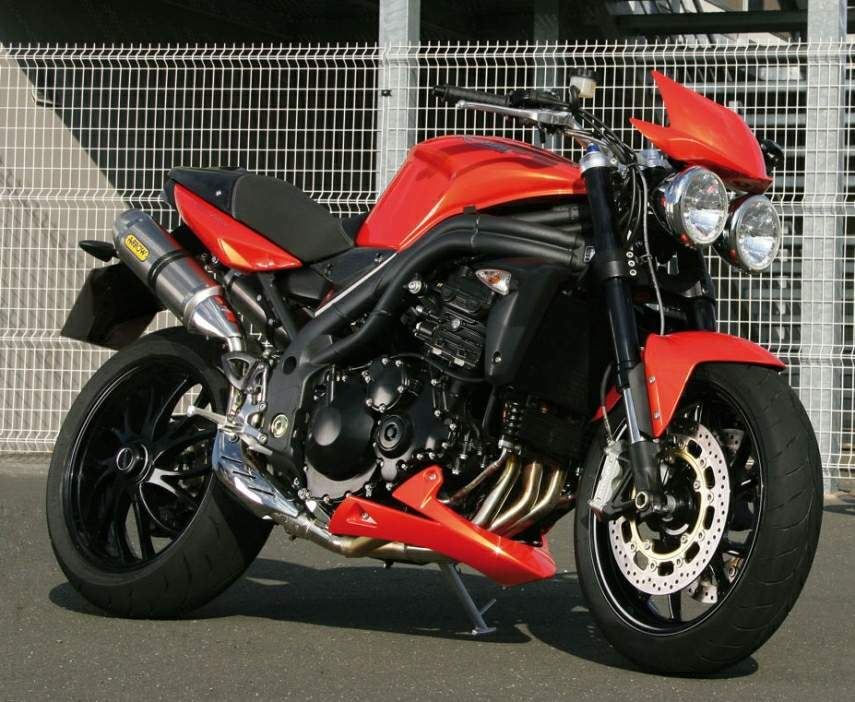
In contrast, the Speed Triple boasts a more formidable 1050cc powerplant. This larger displacement engine generates a substantial 133 horsepower, reflecting a performance-oriented ethos. It remains liquid-cooled with triple-cylinder architecture, but its beefier capacity caters more to riders with an appetite for raw muscle and higher-speed stability. Weighing in around 434 pounds, it carries a weight penalty but compensates with a more potent power-to-weight ratio that rewards those willing to harness its capability.
When contemplating ergonomics, the Street Triple offers a relatively upright and relaxed riding position, with a seat height of roughly 31.3 inches, making it approachable for a broad spectrum of riders. Its suspension setup, comprising fully adjustable forks and monoshock, provides a plush yet confident ride, accommodating both spirited urban attacks and longer commutes.
The Speed Triple, while still maintaining an upright stance, exhibits a slightly more aggressive posture with a seat height near 31.7 inches. Its suspension is comparably adjustable but tuned to manage the amplified performance, delivering firmness to bolster handling during high-speed cornering and spirited runs. The broader handlebars and marginally forward lean contribute to enhanced control, supporting the rider as they explore the upper thresholds of the bike’s capabilities.
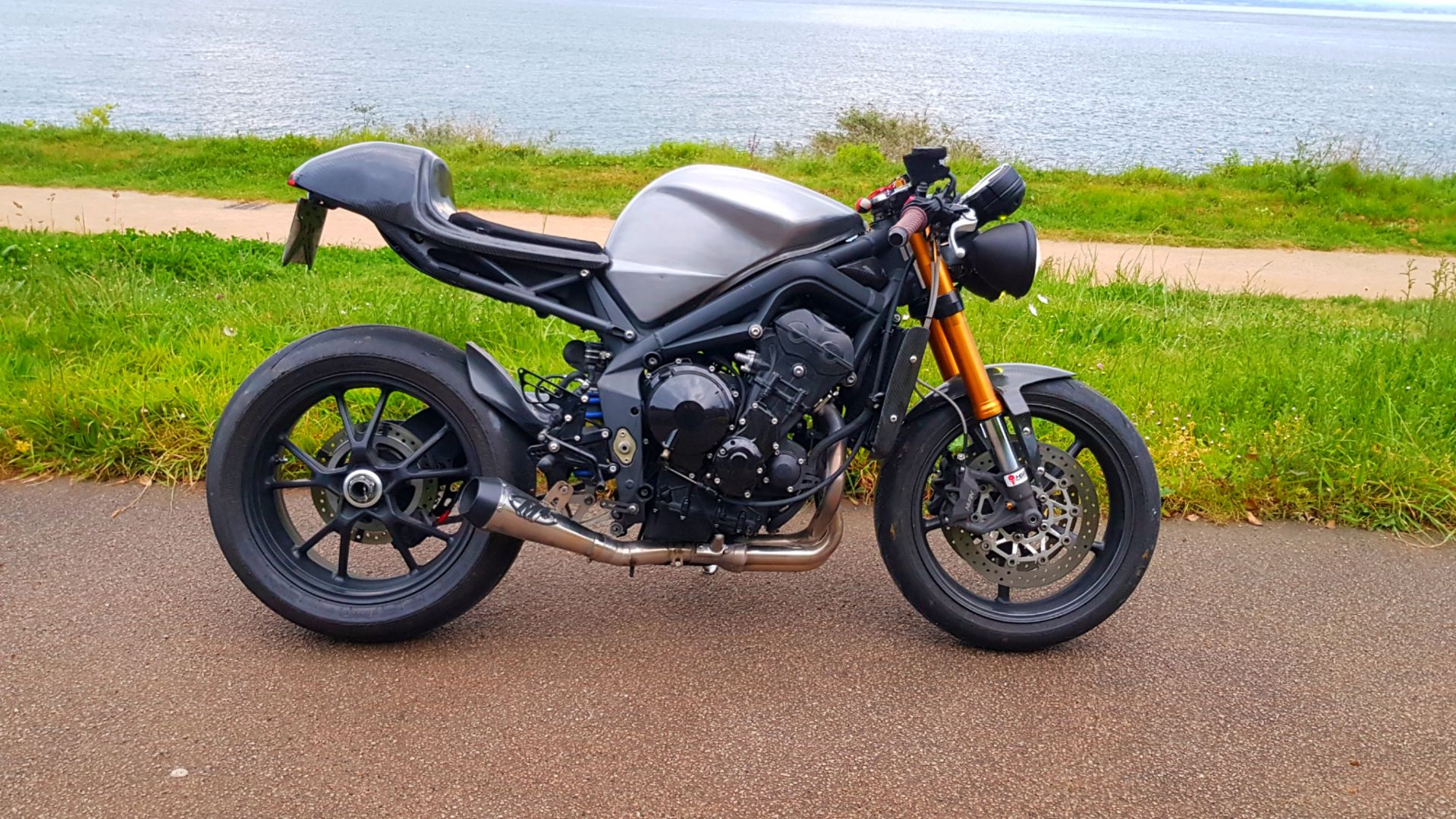
Aesthetically, each motorcycle presents its unique aura. The Street Triple’s design is characterized by a sharper, more compact form that emphasizes agility and youthful energy. Its dual round headlights and minimalist tail section evoke a playful yet purposeful charm, appealing especially to urban riders or those beginning to explore the naked bike segment.
The Speed Triple’s visage is undeniably more muscular, with a distinctive dual headlight setup that has become synonymous with Triumph’s signature look. The robust frame is accentuated by wide, meaty tires that underscore its aggressive temperament. Chrome and brushed aluminum accents lend it a premium, almost intimidating appearance that draws attention on the street or the track alike.
Performance and ride characteristics are where the divergence becomes most prominent. The Street Triple excels in urban and twisty road situations, where its lightness and mid-range torque deliver precise throttle modulation and effortless lane weaving. It invites the rider to explore corners with confidence, aided by a well-balanced chassis and sharp steering response. Fuel economy also tilts in its favor, making it a practical companion for daily commuting or weekend jaunts.
The Speed Triple, conversely, is engineered for those who crave an exhilarating ride beyond the city limits. Its engine revs with authority, with a throaty exhaust note that commands respect. This motorcycle shines on highways and sweeping bends, where its high-speed stability and robust mid-to-top-end power allows for assertive overtaking and confident cruising. Braking performance is enhanced with larger discs and more sophisticated calipers, instilling a sense of security despite the higher velocities.
Technological features in 2009 model year motorcycles were more conservative than today’s offerings, yet Triumph integrated commendable equipment. Both models shared anti-dive technology and sophisticated ride-by-wire throttle mechanisms. However, the Speed Triple often came with upgraded braking components, such as radial-mount calipers and better suspension internals, emphasizing its track-influenced pedigree.
One cannot overlook the community and rider perspective when comparing these two machines. The Street Triple is frequently praised for being an excellent all-rounder—a motorcycle capable of introducing beginners to the sportbiking world while satisfying experienced riders seeking a fun daily ride. It offers versatility without compromising the excitement, making it a strong contender in the lightweight naked category during its era.
The Speed Triple, while demanding more respect and skill to master, caters to riders who seek a visceral, unfiltered connection to the road. It is not just transportation; it is an experience steeped in power, attitude, and character. Its broader appeal lies in those willing to invest in refining their technique and embracing the intensity it offers.
In summary, determining a “winner” between the 2009 Triumph Street Triple and Speed Triple depends fundamentally on the rider’s priorities and skill level. For those valuing agility, ease of handling, and all-day comfort, the Street Triple emerges as a clear choice with its engaging yet manageable performance. On the other hand, the Speed Triple is unmatched for riders desiring aggressive power delivery, commanding road presence, and track-capable components.
Both motorcycles represent exceptional craftsmanship, boasting distinctive strengths that highlight Triumph’s commitment to delivering machines that resonate with various segments of motorcycling enthusiasts. Whether one opts for the nimble and approachable Street Triple or the brawny and exhilarating Speed Triple, the 2009 models encapsulate the spirit of British motorcycling: bold, refined, and unapologetically dynamic.