What happens when timeless design meets modern engineering, yet the soul of the motorcycle remains untouched by the relentless march of technology? The 2010 Triumph Bonneville T100 dares to ask this very question, inviting riders into a world where vintage allure dances hand in hand with contemporary performance. It’s a machine that, at first glance, might seem content basking in its classical roots, but beneath that retro veneer lies an unmistakable vigor challenging the conventions of both past and present.
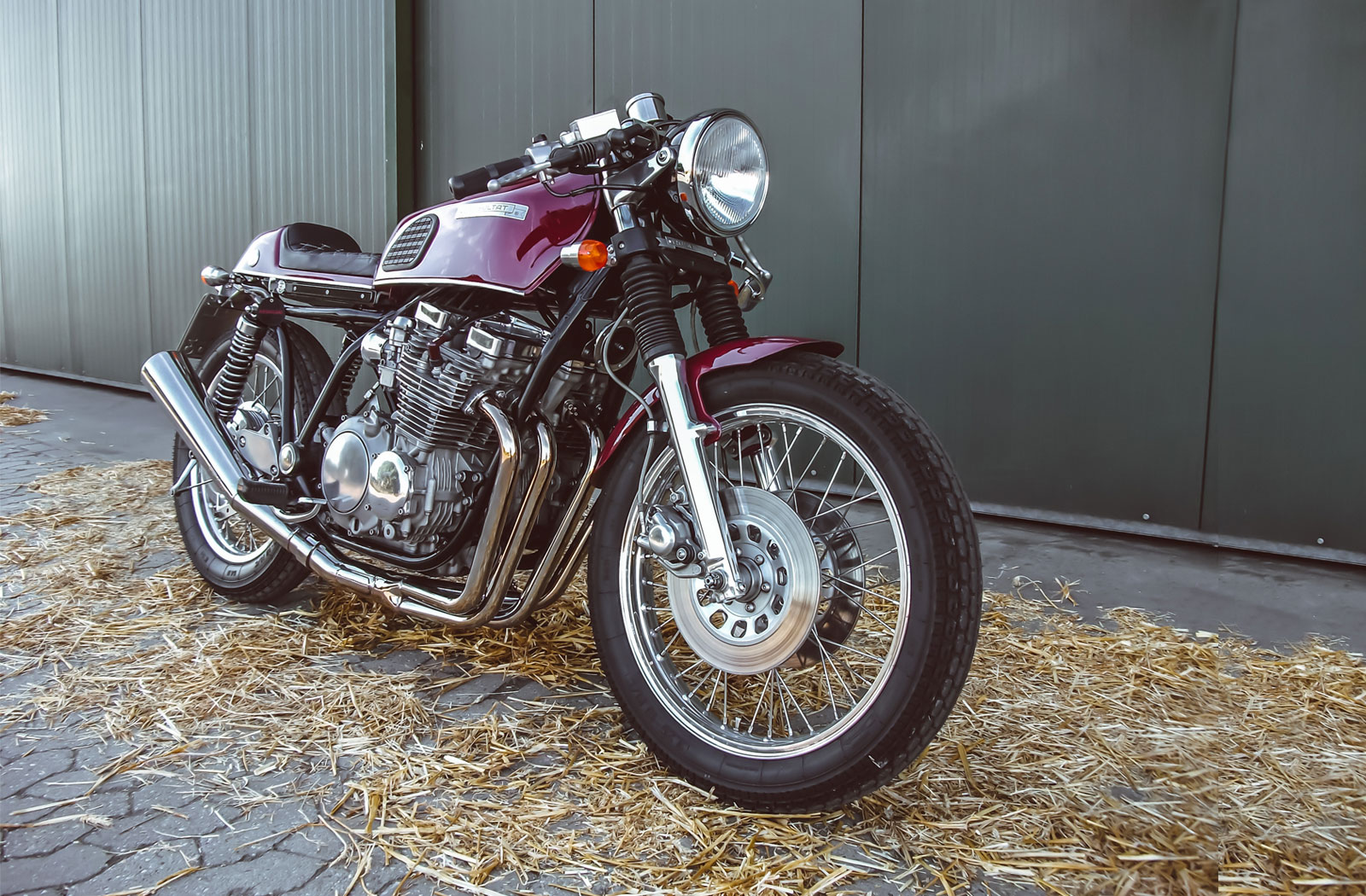
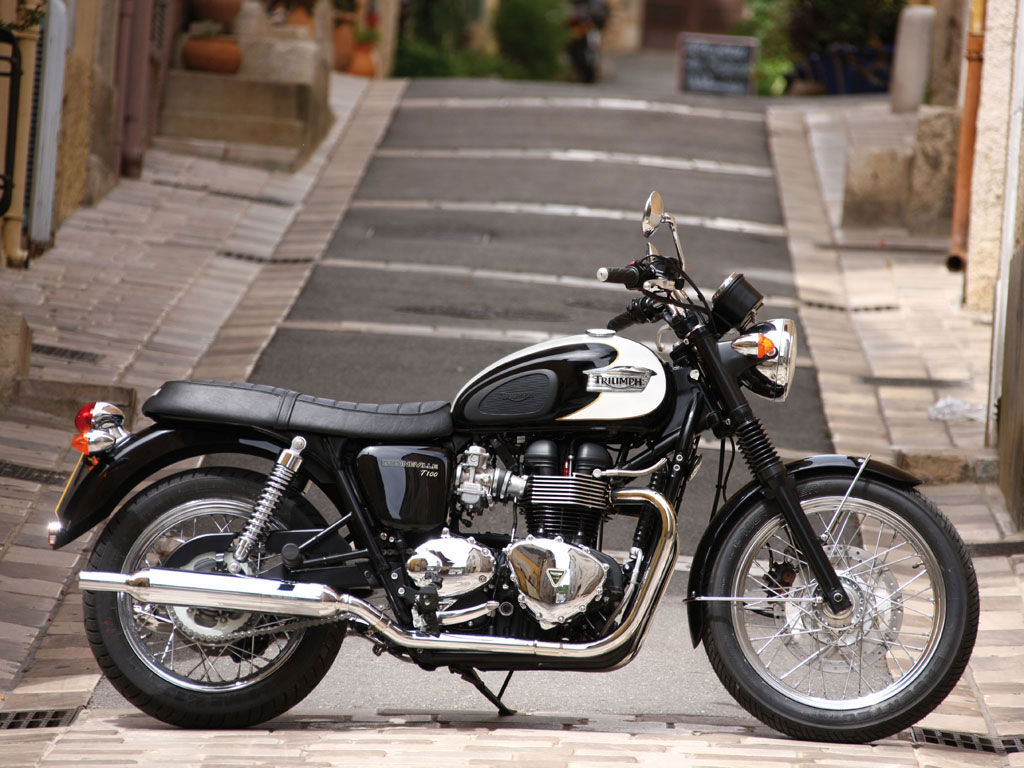
From the outset, the Bonneville T100 asserts itself as more than just a motorcycle; it is an emblem of a bygone era resurrected with exquisite precision. Its silhouette is a masterclass in nostalgic design—the sculpted fuel tank, delicately emblazoned with the iconic Triumph badge, flows seamlessly into a flat, twin-seat setup that harks back to the swinging sixties. Chrome accents glisten like jewels under sunlight, adorning the exhaust pipes and engine casings, casting a bewitching spell on onlookers. However, is this aesthetic homage enough to satisfy those longing for modern-day reliability and rideability?
Delving deeper, the heart of the 2010 Bonneville T100 offers a compelling answer. Powered by a 790cc parallel-twin engine, it balances a harmonic convergence of power and smoothness that defies expectations often associated with classic-styled motorcycles. The engine revs eagerly, its throaty exhaust note weaving through the air like a siren’s call to thrill-seekers. Despite its vintage persona, the T100 is far from an anachronism; it integrates contemporary advancements such as electronic fuel injection, subtly hidden to maintain aesthetic integrity while delivering precise throttle response and improved fuel economy. It is this careful calibration between authenticity and innovation that poses an intriguing challenge for riders: can one truly savor the nostalgia without compromising on seamless modern performance?
The riding experience itself is a study in balance. Upright ergonomics and moderate seat height make the bike accessible, inviting both novices and seasoned motorcyclists to take the helm with confidence. The suspension, while not overly plush, offers enough compliance to traverse cobbled city streets or countryside backroads with poise. What sets the T100 apart, however, is the way it invites engagement. Unlike hyper-modern motorcycles laden with electronic aides and riding modes, the Bonneville demands a tactile connection—a dance between rider and machine that rekindles the romance of the open road.
Does this mean the Bonneville T100 neglects safety or handling finesse? Not at all. Twin-disc brakes at the front accompanied by a single disc rear provide robust stopping power, further enhanced by optional ABS in some markets. The chassis, a steel cradle frame, strikes a commendable balance—flexible enough to absorb irregularities yet stiff enough to maintain composure during spirited cornering. Its 19-inch front wheel and matching rear options echo classic motorcycle architecture, but with tires designed to offer grip and stability far superior to anything from its formative years. Consider this the best of both worlds, wrapped up in a package that exudes sophistication and tactile connection.
Styling details command equal attention. The instrument cluster, combining an analogue speedometer with a digital odometer, is a subtle nod to the slow transition between traditional and modern eras. The suspension’s twin shocks and wire-spoked wheels reinforce the retro aesthetic, but each is carefully refined for durability and performance. Riders and admirers alike will note the careful paint finishes—period-correct color schemes and contrasting stripes that make the T100 as much a piece of art as it is a vehicle.
However, no masterpiece is without its quirks. Enthusiasts might debate the bike’s relatively modest power output in an age where sportbikes reign supreme. Some could perceive the upright seating and classic suspension as less than ideal for high-speed touring or aggressive cornering. Yet, these very characteristics encapsulate the essence of the motorcycle’s appeal—not to be a nimble track-day warrior, but rather a steadfast companion on leisurely escapes and city cruises.
Moreover, maintenance and ownership come with their own unique cadence. Triumph’s rally to preserve the motorbike’s classic technology means that the T100 is more forgiving in terms of upkeep than modern machines festooned with complicated electronics. Parts availability and straightforward mechanical systems appeal particularly to those who cherish hands-on involvement with their rides. Restoring and customizing become joyful undertakings, further enriching the ownership experience.
In an environment increasingly saturated with futuristic designs and cutting-edge technology, the 2010 Triumph Bonneville T100 invites a reflective pause. Can a motorcycle steeped in tradition still excite the contemporary rider hungry for authenticity and character? The T100’s enduring charm suggests a resounding yes. It reminds us that sometimes, progress is not about relentless speed or ever-more complex electronics, but about preserving the poetic essence of two-wheeled travel. It is a reminder that the greatest journeys are sometimes those where the machine feels like an extension of oneself, bridging past glories with present adventures.
In conclusion, the 2010 Triumph Bonneville T100 embodies a compelling paradox: it is at once a reverent nod to history and a quietly confident beacon of modern capability. Its design and mechanical ethos challenge the rider to reconsider the true nature of progress in motorcycling. For those ready to embrace a motorcycle that exudes character and soul—without sacrificing the benefits of modern engineering—the T100 stands ready, poised gracefully between two worlds. Whether cruising historic byways or weaving through urban mazes, it invites a singular question to every rider: can the allure of a bygone era still ignite passion in today’s fast-paced world? The answer, for many, is an emphatic yes.