The 2010–2011 period marked a distinctive era in the evolution of American touring motorcycles, with two flagship models commanding significant attention in the cruiser community: the Harley-Davidson Electra Glide and the Victory Cross Country. Both machines catered to the long-haul traveler yet embodied contrasting philosophies in design, engineering, and rider experience. Exploring these touring bikes in depth reveals a fascinating juxtaposition of tradition versus innovation, artistry versus engineering, and comfort versus sportiness.
Design and Aesthetic Appeal
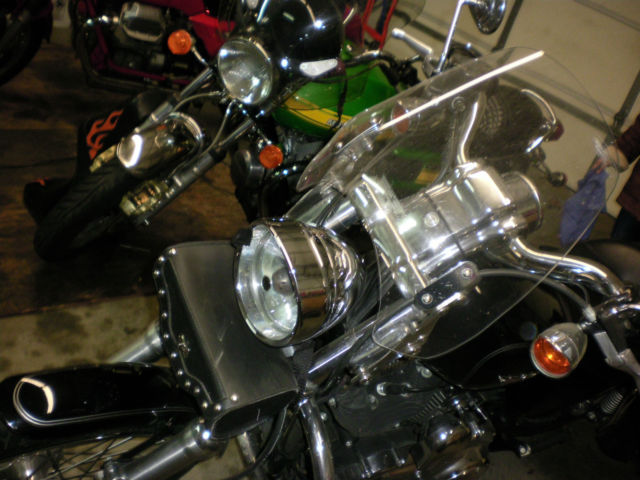
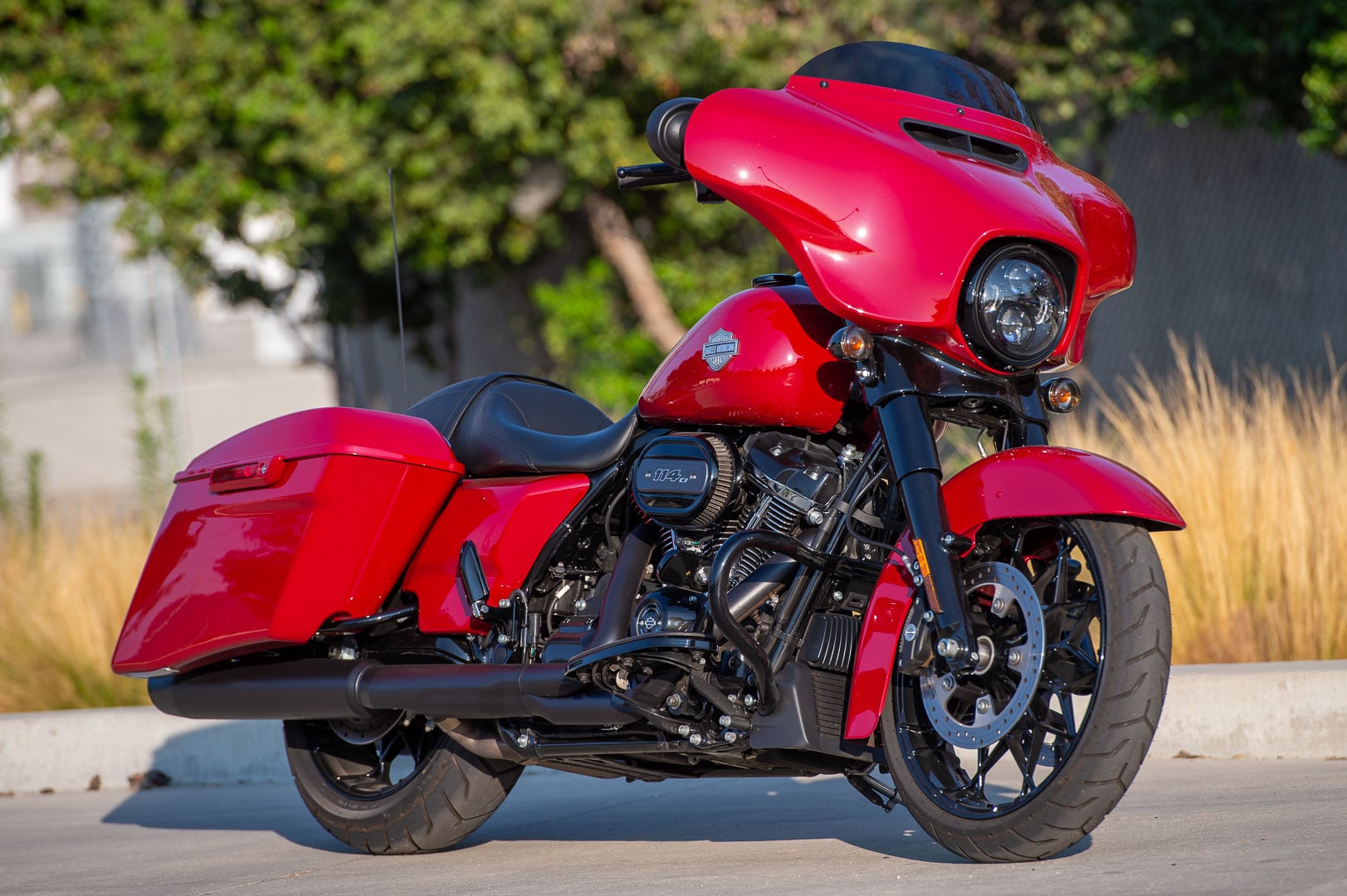
The Harley-Davidson Electra Glide, a cornerstone of Harley’s touring lineup, basks in its timeless, iconic design. Its silhouette evokes classic Americana with its bulbous front fairing—the batwing—paired with full-bodied saddlebags and a robust rear fender. Every curve and chrome accent speaks of a legacy steeped in heritage. For the 2010–2011 models, Harley offered the Electra Glide in various trims, including the Ultra Classic and Standard, each adorned with gleaming finishes and signature Harley detailing.
On the contrary, the Victory Cross Country projected a more contemporary and aggressive stance. Sporting sharp lines, a distinct sharknose fairing, and beefy hard saddlebags, the Cross Country represented Victory’s aspiration to carve its niche in the touring segment with a muscle-bound cruiser aesthetic. The use of blacked-out components and modern graphics, alongside unique lighting elements, underscored its departure from Harley’s traditional styling.
Engine Performance and Mechanical Prowess
Underneath the Electra Glide’s classic facade resided the dependable Twin Cam 96 V-twin engine, displacing 1584cc. Renowned for its torquey character and throaty exhaust note, this engine ensured a robust and pleasurable torque curve essential for hauling weight across vast distances. The unit’s reliability and smooth power delivery catered to riders seeking an unflappable companion on winding roads and open highways alike.
Meanwhile, the Victory Cross Country housed the Freedom V-twin engine, a 106 cubic inch (1749cc) powerhouse, engineered in-house by Polaris Industries. Its overhead camshaft design and higher revving nature offered a modern interpretation of V-twin performance, delivering not only ample torque but also a broader powerband. This translated into a more dynamic riding experience, particularly notable during acceleration and overtaking maneuvers.
Chassis and Suspension
The Electra Glide utilized a steel double-cradle frame designed for stability and comfort. The front telescopic forks combined with twin rear shocks worked harmoniously to absorb road imperfections, emphasizing plushness and rider comfort. The long wheelbase contributed to supreme straight-line stability, though it demanded a bit more effort in tighter corners.
Victory, however, integrated advanced suspension technology into the Cross Country. The chassis incorporated a mono-shock rear suspension with adjustable preload, providing enhanced responsiveness and customization. Coupled with inverted front forks, the Cross Country’s setup catered to riders craving a more precise and engaging ride without sacrificing touring capability.
Ergonomics and Rider Comfort
One of the Electra Glide’s strongest suits was rider comfort for extended journeys. Its expansive, deeply padded seat accommodated both rider and passenger with roominess seldom rivaled in the segment. The upright riding posture, wide handlebars, and well-placed footboards created an inviting cockpit for hours spent on the road. Additionally, features like the large windscreen and fairing shielded occupants from wind buffeting and inclement weather.
The Victory Cross Country also offered a rider-centric cockpit but with a slightly sportier tilt. The seat, while not as plush as the Electra Glide’s, featured sculpted foam and adequate cushioning, balanced with ergonomically positioned handlebars and forward controls. The windscreen and fairing design was more integrated and aerodynamic, providing sufficient protection, though with a lesser voluminous feel compared to Harley’s setup.
Technology and Instrumentation
In 2010–2011, Harley-Davidson’s Electra Glide series incorporated an analog instrumentation cluster complemented by a basic digital odometer and trip meters. Audio enthusiasts were treated to the Boom! Box infotainment system in higher trims, featuring AM/FM radio and optional satellite capabilities, providing ample entertainment during long hauls.
The Victory Cross Country embraced a different technological paradigm. Its instrumentation melded analog and digital components within a streamlined gauge cluster. The model integrated a state-of-the-art infotainment system with AM/FM/XM radio, a CD player, and provided superior sound output due to well-engineered speakers embedded within the fairing. This elevated the in-ride entertainment experience further, aligning with Victory’s contemporary appeal.
Storage and Practicality
For long-distance touring, storage solutions are paramount. The Electra Glide traditionally excelled in this department. Its spacious saddlebags, coupled with a robust top case (in Ultra Classic models), allowed ample room for luggage, gear, and essentials. The locking compartments also underscored the emphasis on security and practicality for touring riders.
The Cross Country, while more streamlined, did not compromise on storage capacity. Its hard saddlebags featured a sleek, aerodynamic shape but remained capacious enough to carry luggage for extended trips. The I-Box, an under-seat storage system unique to Victory motorcycles, offered an innovative, weather-resistant compartment suitable for smaller items and valuable equipment.
Handling and On-Road Dynamics
The Harley Electra Glide was built for relaxed cruisers who preferred stability over aggressive cornering. The bike’s mass and suspension tuning resulted in a planted feel, especially at highway speeds and during straight-line travel. While the bike handled curves competently, its weight distribution and longer wheelbase required riders to adjust their approach within technical sections.
Conversely, the Victory Cross Country’s chassis demonstrated a more nimble disposition. Its lighter weight combined with sophisticated suspension components allowed for confident lean angles and precise feedback. Riders who sought spirited riding without sacrificing touring comfort found this balance compelling.
Customization and Aftermarket Support
Harley-Davidson is renowned for its extensive aftermarket and customization culture. The Electra Glide enjoyed a vast ecosystem of parts, accessories, and bespoke options, allowing riders to tailor aesthetics, performance, and ergonomics down to minute detail. From engine tuning upgrades to custom seats and paint schemes, the Electra Glide served as a blank canvas for personal expression.
The Victory Cross Country, while newer to the scene, still cultivated a respectable aftermarket scene. Though not as voluminous as Harley’s, options included performance enhancements, cosmetic kits, and functional accessories, enabling owners to imprint individuality on their machines while maintaining the bike’s modern ethos.
Conclusion
Examining the 2010–2011 Harley-Davidson Electra Glide and Victory Cross Country underscores two divergent approaches to American touring motorcycles. The Electra Glide champions tradition, delivering timeless design, plush comfort, and a venerable powertrain that epitomizes cruiser heritage. In contrast, the Victory Cross Country beckons riders captivated by modern engineering, agile handling, and an aggressive aesthetic that challenges convention.
For those prioritizing rich historical lineage and classic touring comfort, the Electra Glide remains an enduring symbol of freedom on the open road. Meanwhile, riders eager to embrace cutting-edge mechanics and dynamic performance within a touring framework may find the Cross Country an enticing alternative. Both machines, in their own right, represent the pinnacle of touring motorcycle craftsmanship from 2010 to 2011, offering enriching experiences to diverse riders and tastes.